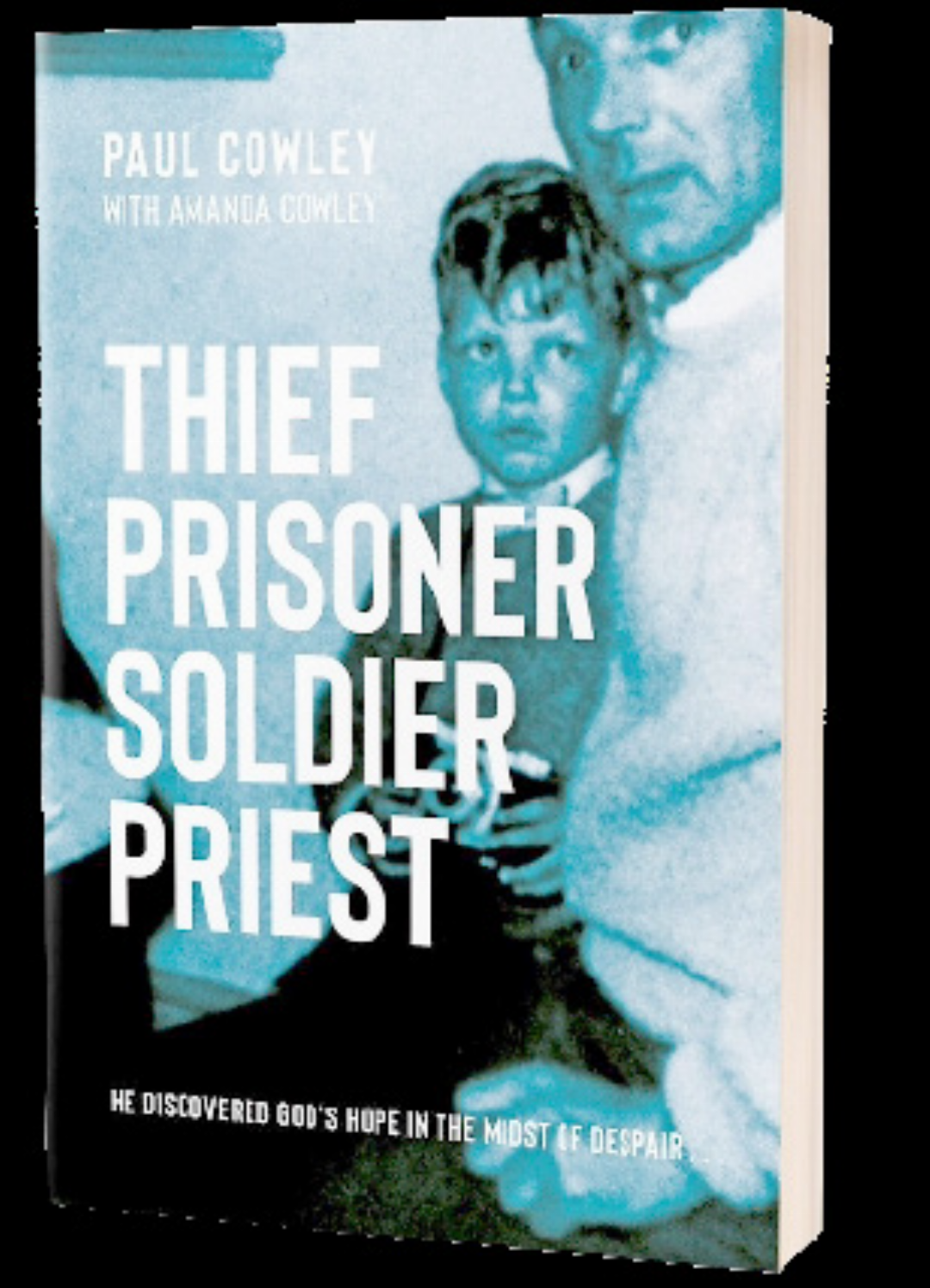


PAUL COWLEY: The power of a second chance
19.06.2026 Lifestyle, Events, Education, Chateau-d'Oex, Neighbourhood, Inspiration, Magazine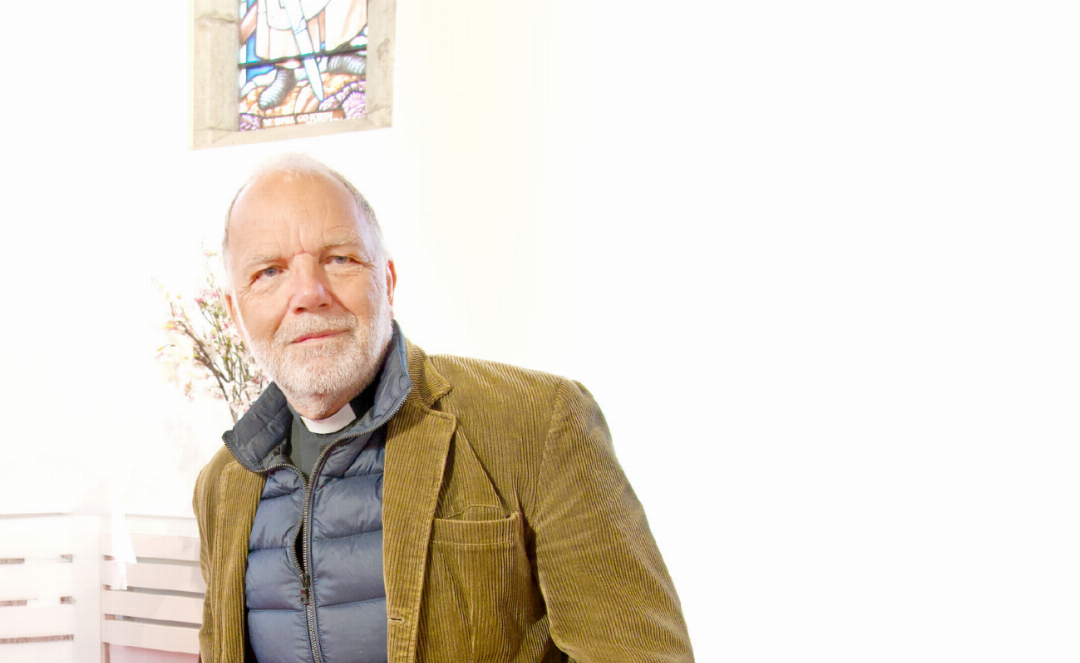
Ahead of a visit to Château-d’Oex, former prisoner, soldier, priest and prison chaplain Reverend Paul Cowley shared the extraordinary story of how he rebuilt his life after youth crime, homelessness and imprisonment. Today, he helps thousands of former offenders find ...
Ahead of a visit to Château-d’Oex, former prisoner, soldier, priest and prison chaplain Reverend Paul Cowley shared the extraordinary story of how he rebuilt his life after youth crime, homelessness and imprisonment. Today, he helps thousands of former offenders find employment and a path back into society.
By any measure, Paul Cowley’s life could have ended very differently.
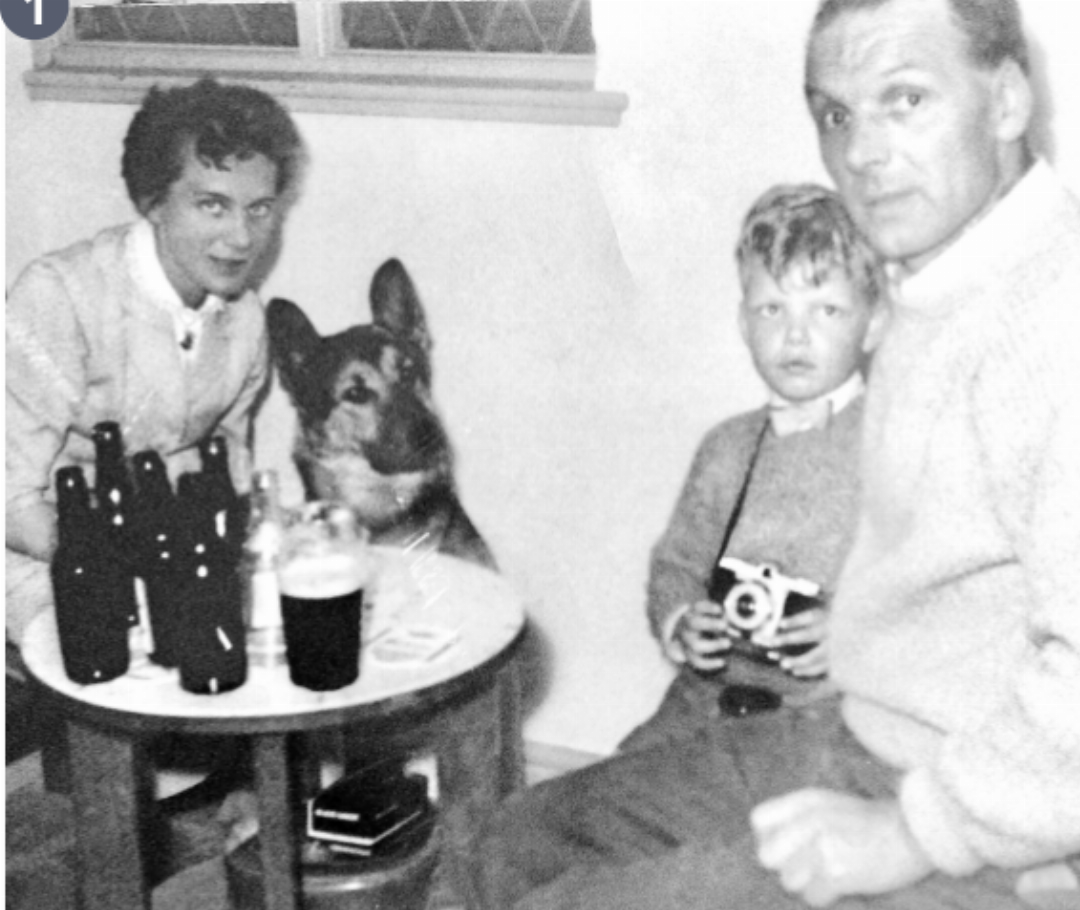
Growing up in Manchester in northern England, he experienced a childhood marked by instability, violence and alcoholism. Both of his parents struggled with alcohol addiction, and home life was often chaotic. At the age of 15, after a serious argument with his father, Cowley was thrown out of the family home and found himself homeless.
“I lived on the streets for a while, shoplifted and got into trouble with the police,” he recalls. “Eventually, I appeared in court. I thought I would get a fine. Instead, the judge told me: ‘Cowley, you don’t want to listen to us – you’re going to prison.’” The sentence was served in a youth detention centre. Although relatively short, the experience left a lasting impression.
“It frightened me enormously,” he says. “When I came out, I kept to myself because I was terrified of ending up back on the same path.” Finding work proved difficult with a criminal record, but Cowley was determined to move forward. Then, in 1976, chance intervened. While driving a delivery van for a removal company, he spotted a large British Army recruitment poster that asked, Do you want a life full of adventure?
“I parked the van, walked into the recruitment office and said, ‘I want exactly what’s on that poster.’” Initially rejected because of his criminal record, Cowley refused to give up. After repeatedly returning to the recruitment office over several weeks, an officer finally offered him the opportunity he had been hoping for.
“We’ve been watching you,” the officer told him. “You seem serious. We’ll give you a second chance – but don’t let me down.” Cowley did not. The opportunity became the foundation of a 17-year military career, serving in Germany, Northern Ireland and the Falkland Islands. The Army provided something he had never known before: structure, discipline and purpose. “The Army saved my life,” he says.
Yet despite his outward success, he struggled internally. Two marriages ended in divorce, and he continued searching for meaning and stability. That search took an unexpected turn shortly before he left military service. After years of little contact, his mother reappeared in his life, only to be diagnosed shortly afterwards with terminal cancer. Cowley spent her final days at her bedside. “She died in my arms,” he says.
After her death, he discovered a Bible among her belongings. Inside was a telephone number. Curious, he called it. “The woman who answered said, ‘Then you must be Paul. Your mother was a Christian. We have been praying for you.” The revelation stunned him.
Together with his future wife Amanda, Cowley began attending an Anglican church in London and enrolled in an Alpha course, an introduction to the Christian faith.
“I started to wonder whether all of this might actually be true,” he says. “Could God help me become a better person?”
In 1994, he became a Christian. Eight years later, after studying theology while working, he was ordained as an Anglican priest. Cowley is quick to point out that faith did not transform him overnight. “It wasn’t magic,” he says. “It was a process. God gradually began changing the way I thought, almost like rewiring an old house.”
His ministry soon focused on people living at society’s margins. Drawing on his own experiences, he became heavily involved in prison work, eventually serving as both a prison chaplain and military chaplain. He helped establish Alpha programmes within prisons across the UK and abroad and later developed initiatives for homeless people, individuals struggling with addiction, women in crisis and former prisoners.
A chance encounter in Botswana would lead to what would perhaps be his most influential project. There, Cowley met Malcolm Walker, founder of the British supermarket chain Iceland Foods. Walker was intrigued by Cowley’s journey from offender to priest and wanted to help people leaving prison rebuild their lives. The result was an employment programme that provided former prisoners with access to jobs after their release. Iceland Foods quickly became one of Britain’s largest employers of ex-offenders.
That initiative has since evolved into the Second Chance Partnership, an independent non-profit organisation founded by Cowley in 2025. Working with prisons and employers across multiple sectors, the organisation helps former prisoners secure meaningful employment and supports companies through the hiring process.
Cowley believes that access to work is one of the most effective ways to reduce reoffending and restore dignity. “The more companies that get involved, the more genuine opportunities there are for people leaving prison,” he says.
Reflecting on his own journey, he remains convinced that people should never be defined solely by their worst mistakes. “I didn’t have a good start in life,” he says. “For a long time, I blamed my parents for everything that went wrong. Eventually I realised that while circumstances explain a lot, they don’t excuse everything. We all have responsibility for our own lives.” His story is ultimately one of redemption, resilience and personal accountability. “I am convinced people can learn from their experiences and mistakes,” he says. “They are not condemned to remain the same person forever.”
MARTIN GURTNER-DUPERREX
SECOND CHANCE PARTNERSHIP
Founded by Paul Cowley in 2025, the UK-based non-profit organisation helps former prisoners successfully re-enter the workforce.
(www.scpartnership.org.uk)
Its aims include:
• Supporting sustainable employment after prison
• Reducing reoffending rates
• Helping employers access overlooked talent
How it works:
• Identifies suitable candidates before release from prison
• Works closely with prisons and employers
• Provides support and guidance during recruitment and integration