

The Summit: A New Conversation at the Menuhin Festival
05.08.2026 Arts & Culture, Traditions, Concerts, Editors Picks, Music, Artificial Intelligence , Celebrating crafts, Inspiration, Events, Arts & Culture, Menuhin Festival & Academy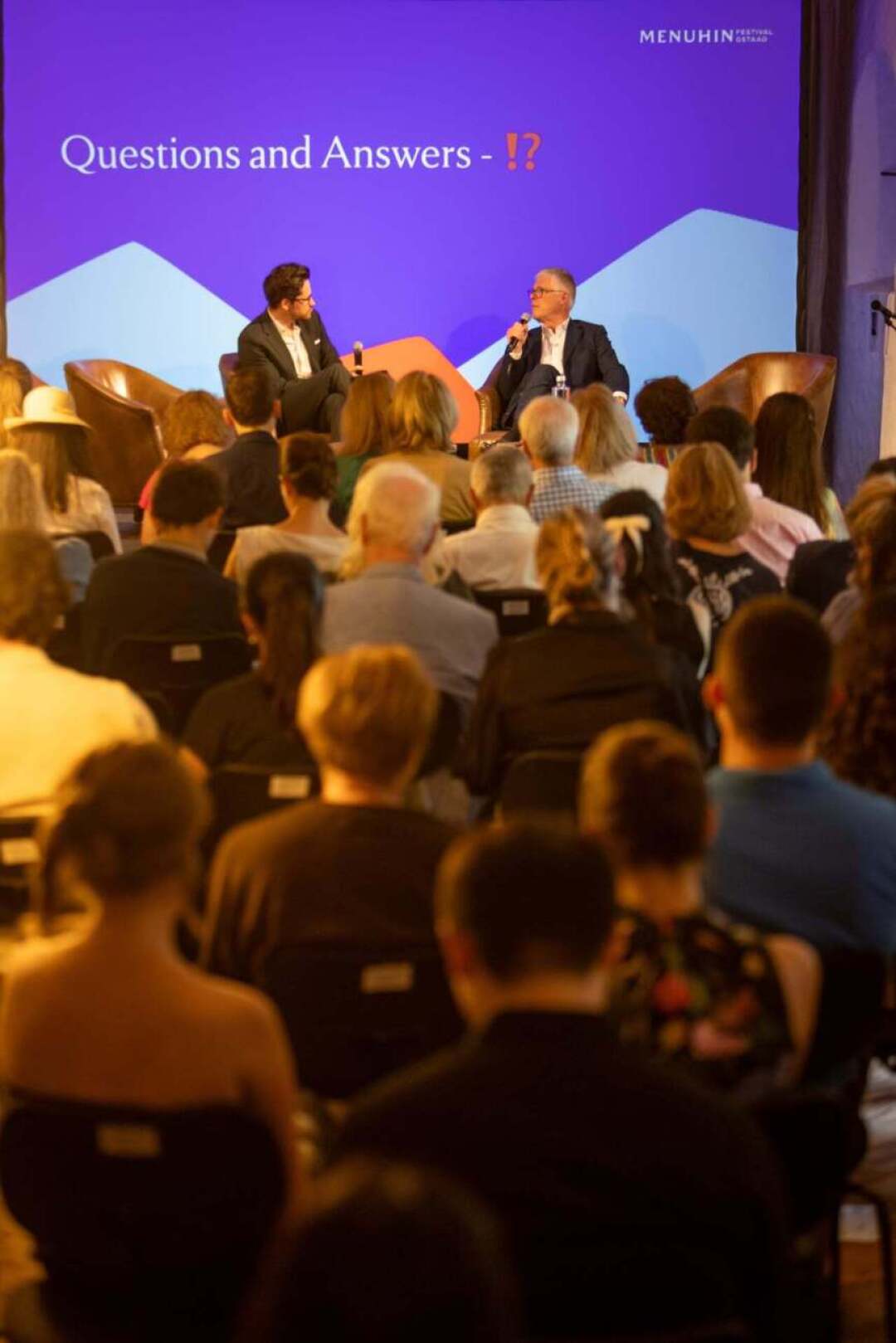
Quo vadis, culture? That was the question behind the Menuhin Festival's new three-day forum, where artists, festival directors, ...
Quo vadis, culture? That was the question behind the Menuhin Festival's new three-day forum, where artists, festival directors, technologists and business leaders came together in Rossinière to discuss the future of the arts.
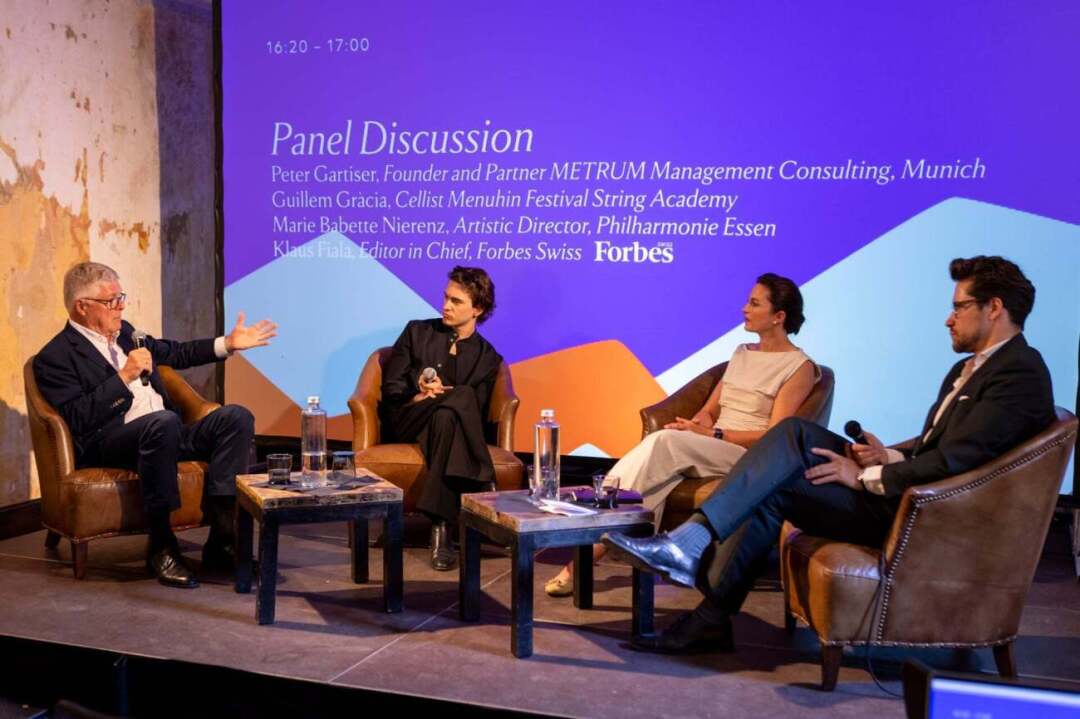
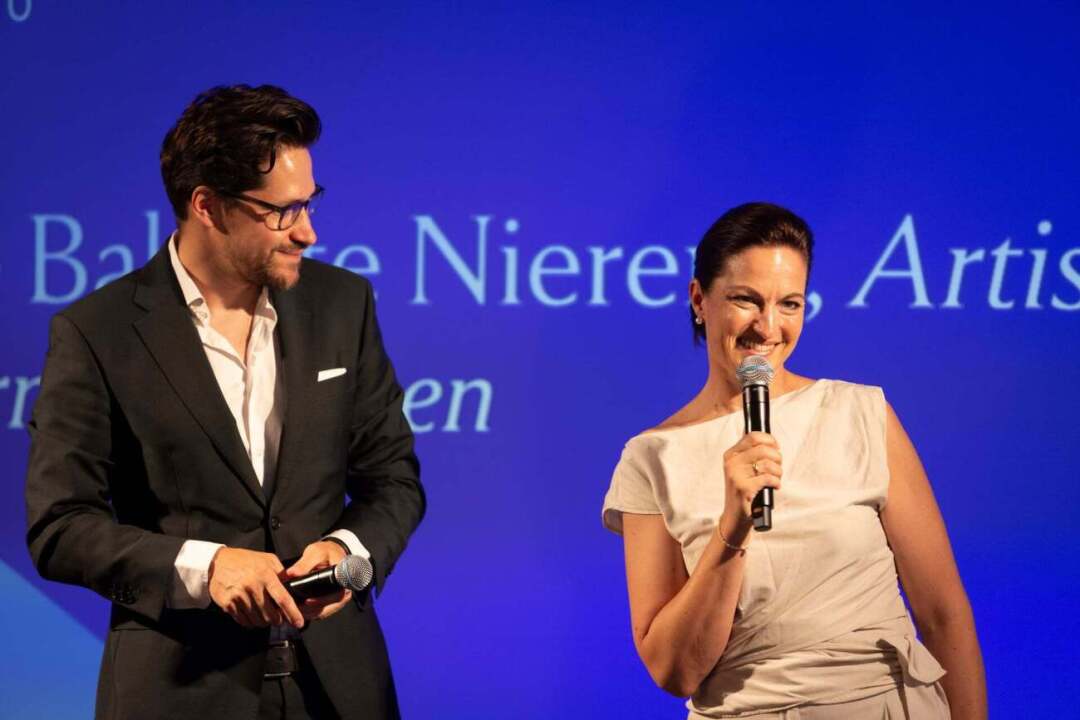
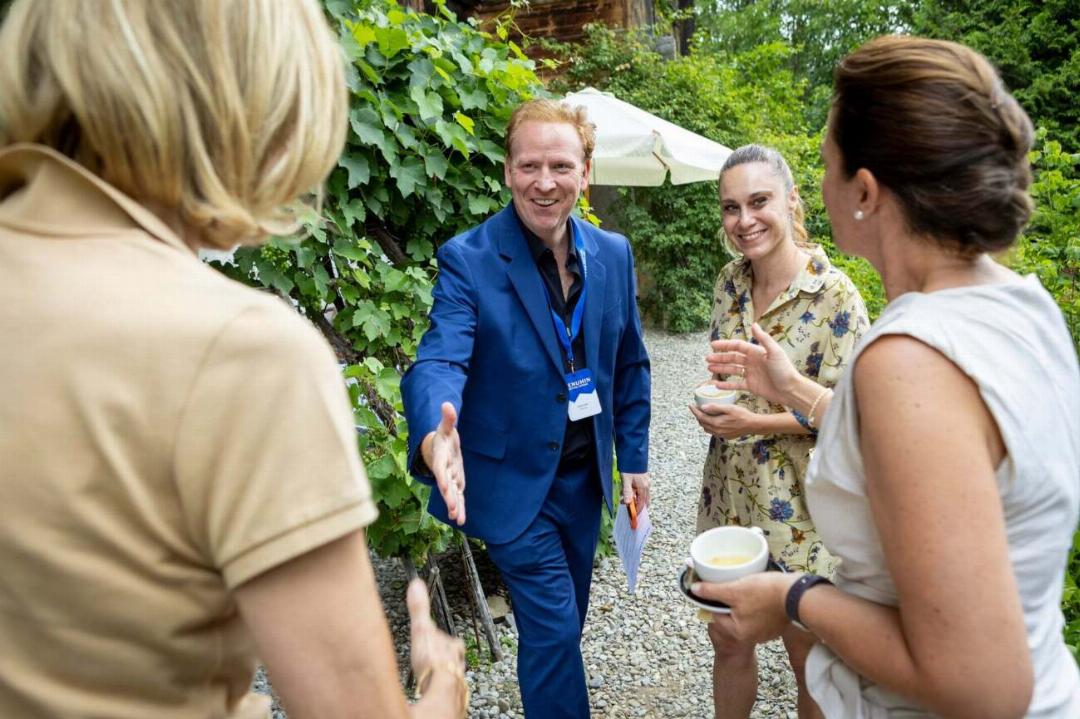
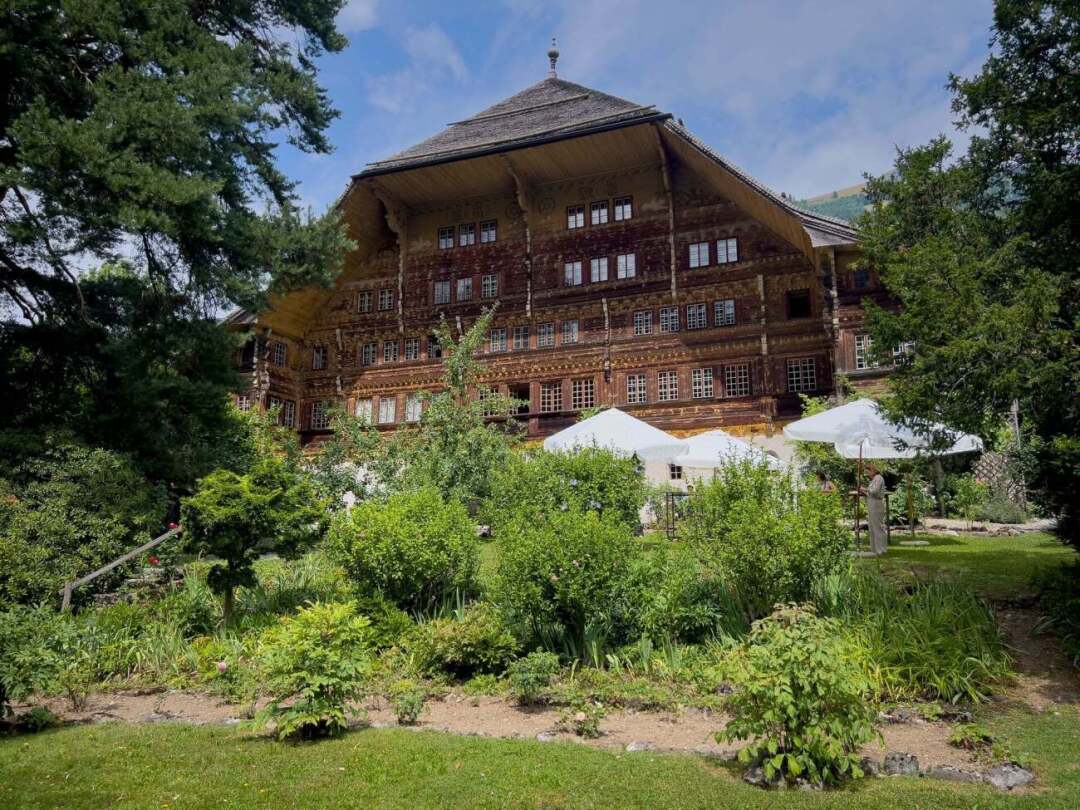
The Menuhin Festival Gstaad introduced a new event this summer with The Summit, a three-day series of talks and panel discussions held at the Grand Chalet in Rossinière. Bringing together artists, festival directors, technology experts and business leaders, the programme looked beyond the concert stage to discuss the future of culture.
The idea goes back to Yehudi Menuhin himself. During his final concert tour in 1999, he envisioned a "Confederation of Music Lovers" that would unite people from across the cultural world in support of music and the arts. He died before the project could take shape, but Daniel Hope revived the concept as one of the new initiatives marking his first season as Artistic Director.
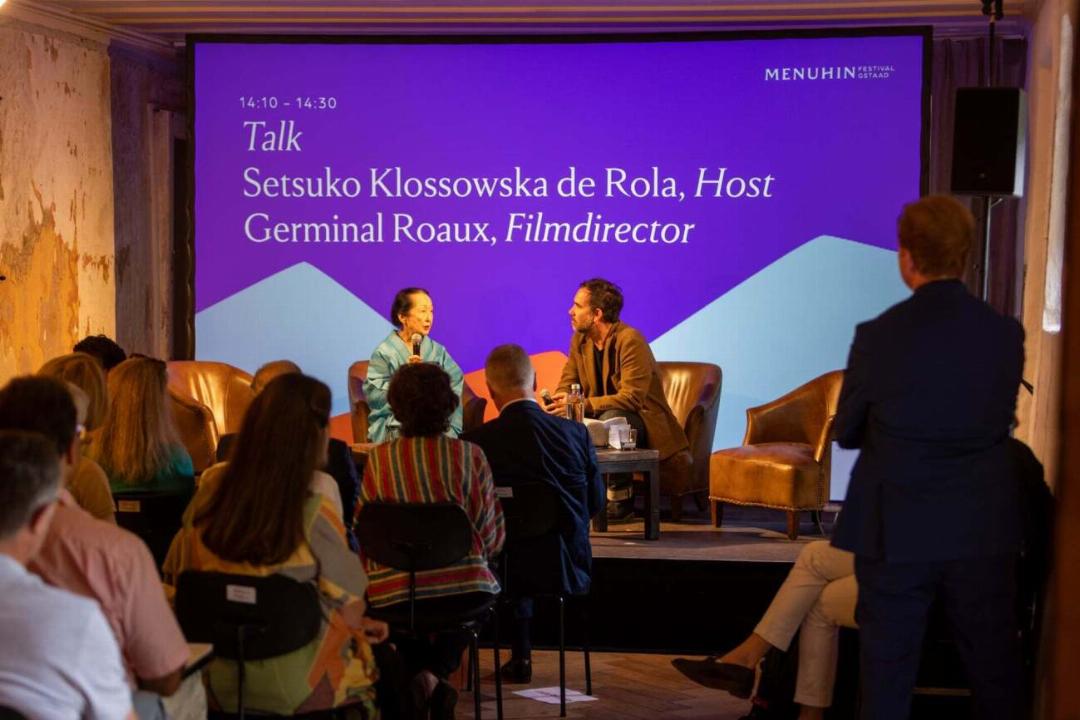
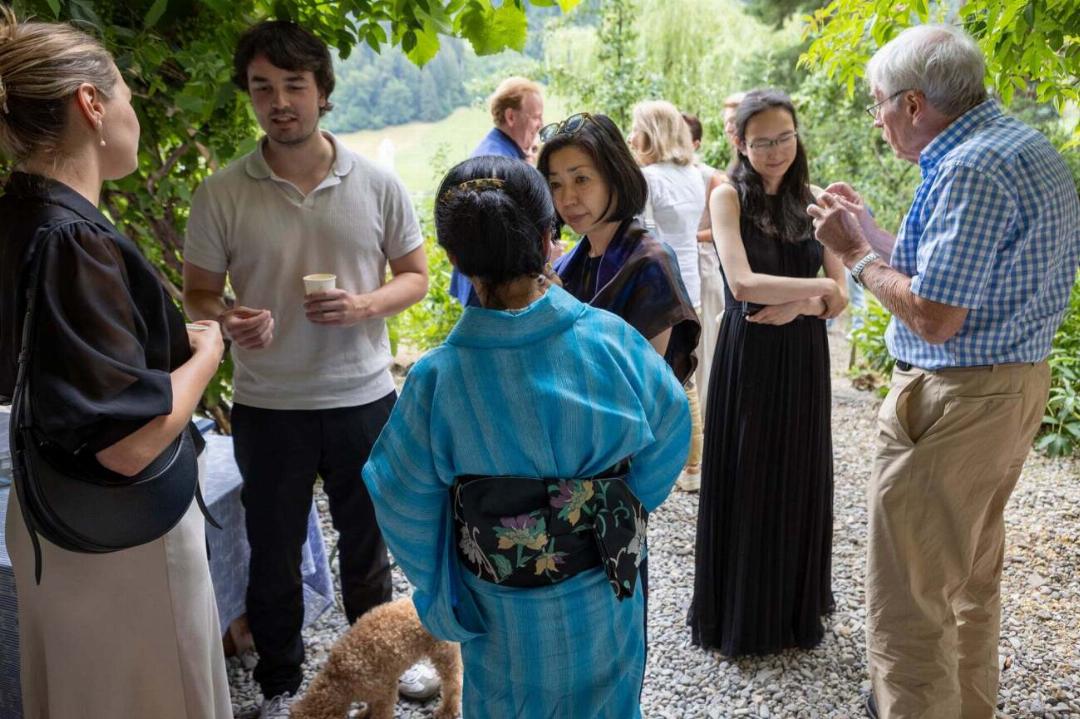
The setting was equally fitting. Setsuko Klossowska de Rola, widow of the painter Balthus and UNESCO Artist for Peace, welcomed participants to her historic Grand Chalet, recalling the friendship between her husband and Yehudi Menuhin and their shared belief that music connects all forms of art. Asked by Hope how she would define art, she replied simply: "It is about sharing your soul and exploring philosophical depths."
Who pays for culture?
The first discussions focused on the future of Europe's cultural institutions. Ilona Schmiel, Director of the Tonhalle Orchestra Zurich, and Matthias Schulz, Director of Zurich Opera House, agreed that attracting younger audiences has become one of the sector's biggest priorities. Opening institutions through new formats, educational programmes and events aimed at first-time visitors is no longer optional but essential.
The panel also discussed public funding. While many of Europe's leading cultural institutions continue to benefit from government support, speakers noted that the arts increasingly have to justify their place in public budgets. They argued that politicians need to recognise culture as an important part of education, identity and social cohesion, while cultural organisations themselves must continue demonstrating their value to society.
More than musical talent
The conversation then turned to the next generation of artists. Technical excellence remains the foundation of a successful career, but today's musicians are also expected to communicate effectively, build their own profile and distinguish themselves in an increasingly competitive market.
Interestingly, while competition among performers is stronger than ever, the opposite is true behind the scenes. Speakers pointed to a shortage of qualified professionals working in arts management and cultural organisations, creating new career opportunities for musicians willing to broaden their expertise. Flexibility, they agreed, has become one of the profession's most valuable qualities.
When technology takes the stage
Artificial intelligence was another major topic. Polish start-up Orfeon demonstrated software that automatically selects the best camera angles during concerts, rehearsals and performances, reducing hours of editing without altering the performance itself.
The founders were keen to stress that the technology is not designed to "improve" musicians or manipulate recordings. Instead, AI simply streamlines the production process, allowing smaller teams to produce professional concert recordings in real time.
Dr Clemens Trautmann, President of Deutsche Grammophon, illustrated how dramatically the music business has changed. Ten years ago, around 80 percent of the label's revenue came from physical media such as CDs. Today, streaming accounts for roughly the same share. Success has become increasingly linked to digital audiences, raising questions about whether popularity is becoming as important as artistic excellence. Legal expert Dr Patricia Ernst rounded off the session with a look at the growing copyright challenges surrounding AI-generated works.
A different perspective
Not everyone welcomed the increasing role of technology. Swiss filmmaker Germinal Roaux offered a counterpoint. Having turned down a successful career in fashion photography, he chose the far less predictable life of an independent filmmaker in search of authenticity.
Roaux argued that constant efficiency and optimisation can distract us from truly learning and understanding our craft. For him, slowing down is not a weakness but a way of creating work with greater depth and meaning. His perspective provided a welcome balance to the discussions on AI and digital innovation.
From Stradivari to science
The final session featured Professor Marco Malagodi, one of the world's leading experts on historic string instruments. He traced the rise of Cremona, home to legendary violin-making families including Amati, Guarneri, Bergonzi and Stradivari, and explained how modern scientific research has helped uncover techniques that had largely disappeared with the craftsmen themselves.
Among the discoveries are the precise composition of historic varnishes and the materials used to treat the wood. Researchers have even found links between violin makers and Renaissance painters, who often used many of the same pigments and natural ingredients. It was a fitting conclusion to a summit that repeatedly showed how closely different artistic disciplines are connected.
Before closing the Summit, Daniel Hope recalled a story often attributed to Winston Churchill. During the Second World War, advisers reportedly suggested cutting funding for the arts to support the war effort. Churchill is said to have replied: "Then what are we fighting for?" Whether the words were spoken exactly that way or not, they neatly summed up the purpose of the three-day gathering.
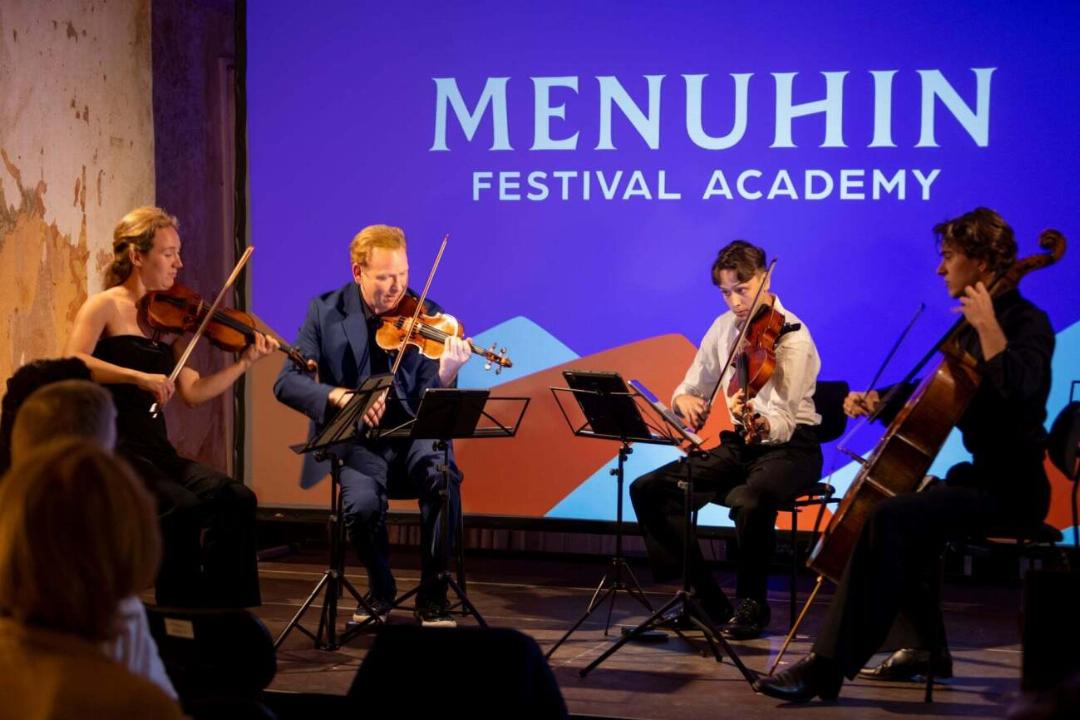
The Summit events broaden the Menuhin Festival beyond the concert hall, offering a place where artists, cultural leaders and audiences can exchange ideas as well as enjoy performances. Judging by its first edition, it is a format that deserves to return in future years.
Based on AvS | ÇETIN KÖKSAL | edited by jw | all photos by Bailey Davidson