Menuhin Festival Gstaad: A new chapter, firmly rooted in tradition
23.10.2026 Arts & Culture, Arts & Culture, Concerts, Events, Music, Inspiration, Launen, Throwback Saanenland, Rougemont, Saanen, Chateau-d'Oex, Menuhin Festival & Academy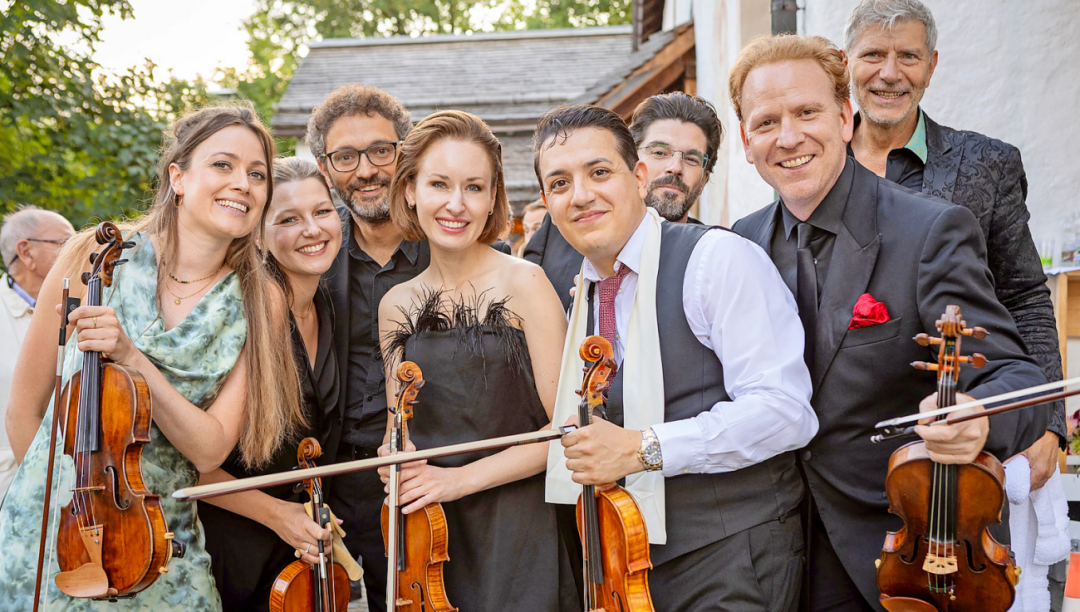
Seventy years after Yehudi Menuhin first brought his musical friends to the Saanenland, the ...
Seventy years after Yehudi Menuhin first brought his musical friends to the Saanenland, the festival that bears his name entered a new era. With Daniel Hope at the helm, the 2026 anniversary edition combined world-class performances, fresh ideas and a renewed emphasis on the personal connections that have shaped the festival since its beginnings.
When the final notes of Bach's Mass in B minor faded on 5 September, the Menuhin Festival Gstaad brought its 70th anniversary season to a close. Over 52 festival days, more than 100 concerts and events attracted nearly 27,000 visitors, with over 1,000 artists travelling to the Saanenland from around the world.
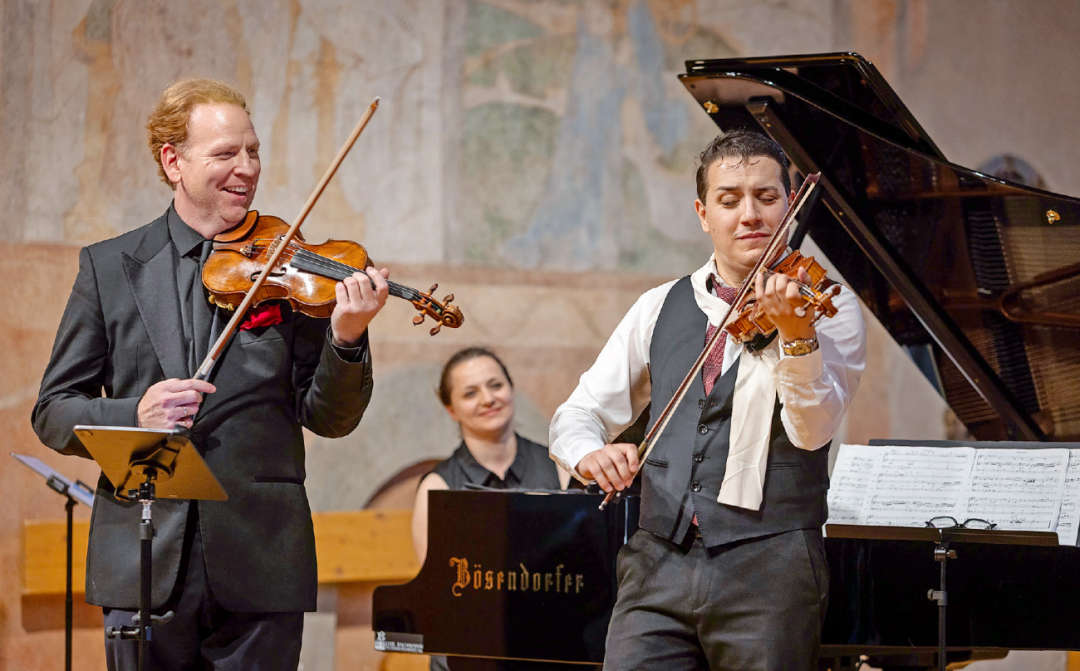
For Daniel Hope, his first season as Artistic Director was both a professional milestone and a deeply personal homecoming. Having spent his childhood summers in Gstaad alongside Yehudi Menuhin, for whom his mother worked as personal assistant, Hope returned to the place where his own musical journey began.
Under the theme Family Matters, he set out to reconnect the festival with its founding spirit: a gathering of exceptional musicians, united by friendship, curiosity and the desire to share music across generations.
A festival of musical encounters
The anniversary programme brought together some of classical music's most celebrated names. Among the highlights were performances by Pinchas Zukerman, Khatia Buniatishvili, Sir András Schiff, Steven Isserlis, Hayato Sumino and Nikolaj Szeps-Znaider.
International orchestras also played a prominent role, including the Budapest Festival Orchestra under Iván Fischer, the Royal Philharmonic Orchestra conducted by Vasily Petrenko and the Royal Danish Orchestra under Marie Jacquot.
The resident Gstaad Festival Orchestra presented several major productions under Jaap van Zweden, Alexander Shelley and Marco Armiliato. One of the season's operatic highlights was Puccini's La bohème, featuring Benjamin Bernheim and Carolina López Moreno, performed to a sold-out Festival Tent audience before travelling to the Festspielhaus Baden-Baden.
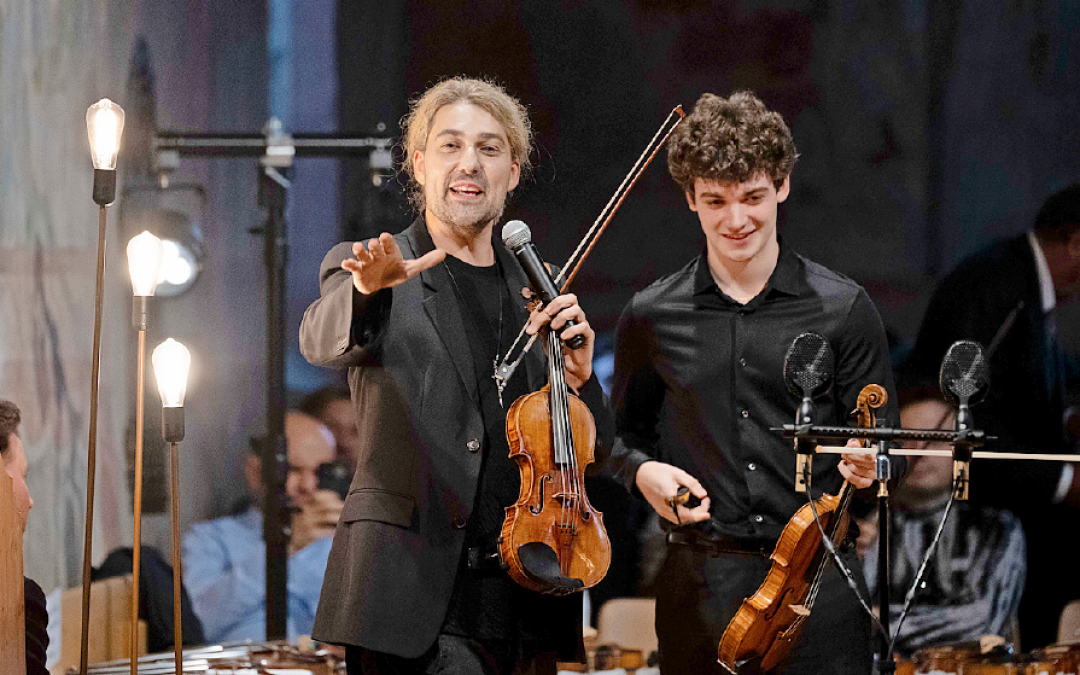
Another extraordinary occasion was Masters of Sound, a sold-out charity concert featuring David Garrett and the Del Gesù Club. Held in the Church of Saanen in support of the Menuhin Festival String Academy, it brought together 26 celebrated violins made by Guarneri del Gesù and Stradivari.
When circumstances demand a change of tune
Behind the carefully planned programme, the festival also showed it could respond to the unexpected.
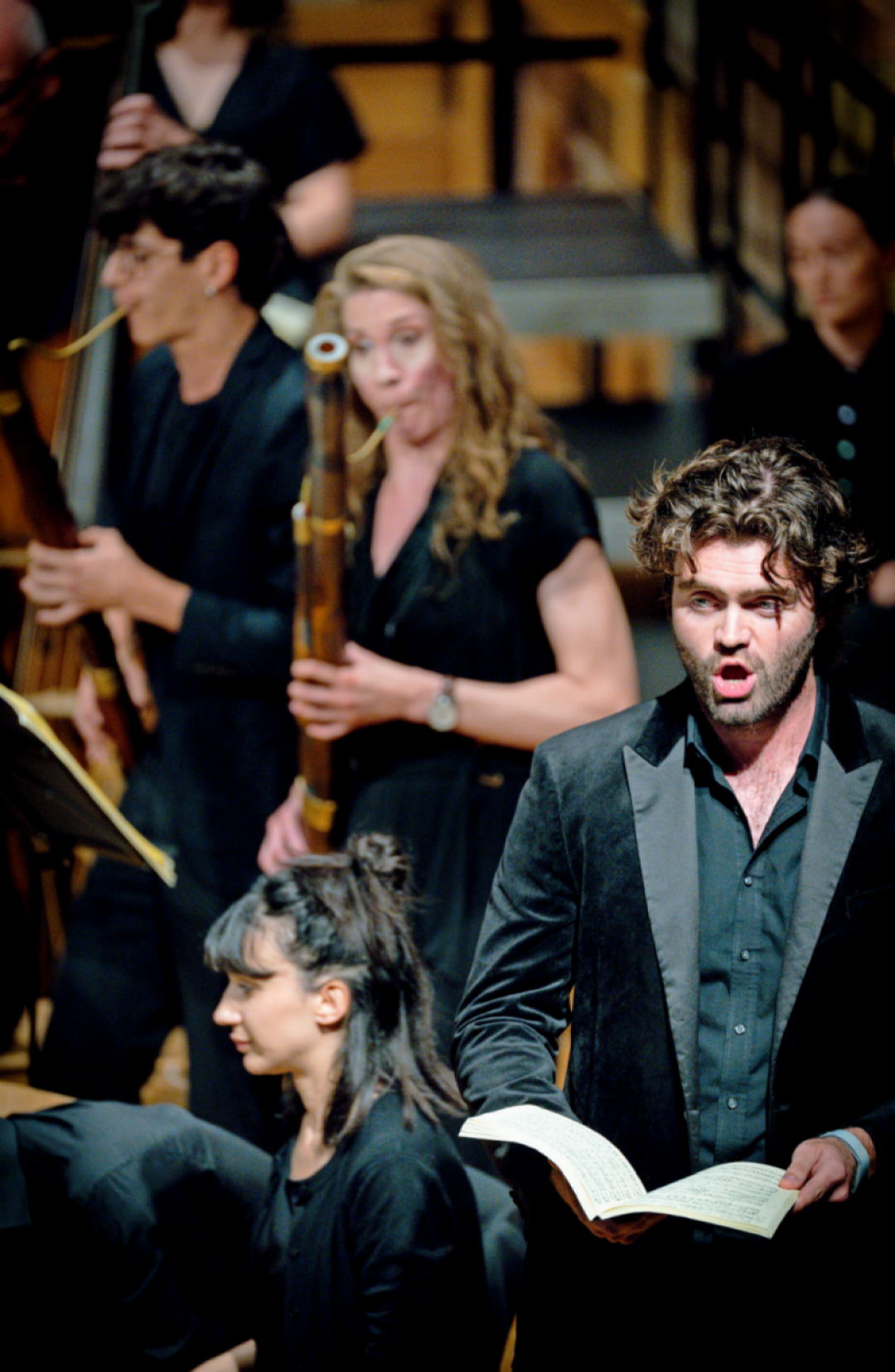
When acclaimed soprano Julia Lezhneva fell ill shortly before a scheduled Baroque concert in Saanen, the organisers faced the challenge of finding a replacement at extremely short notice.
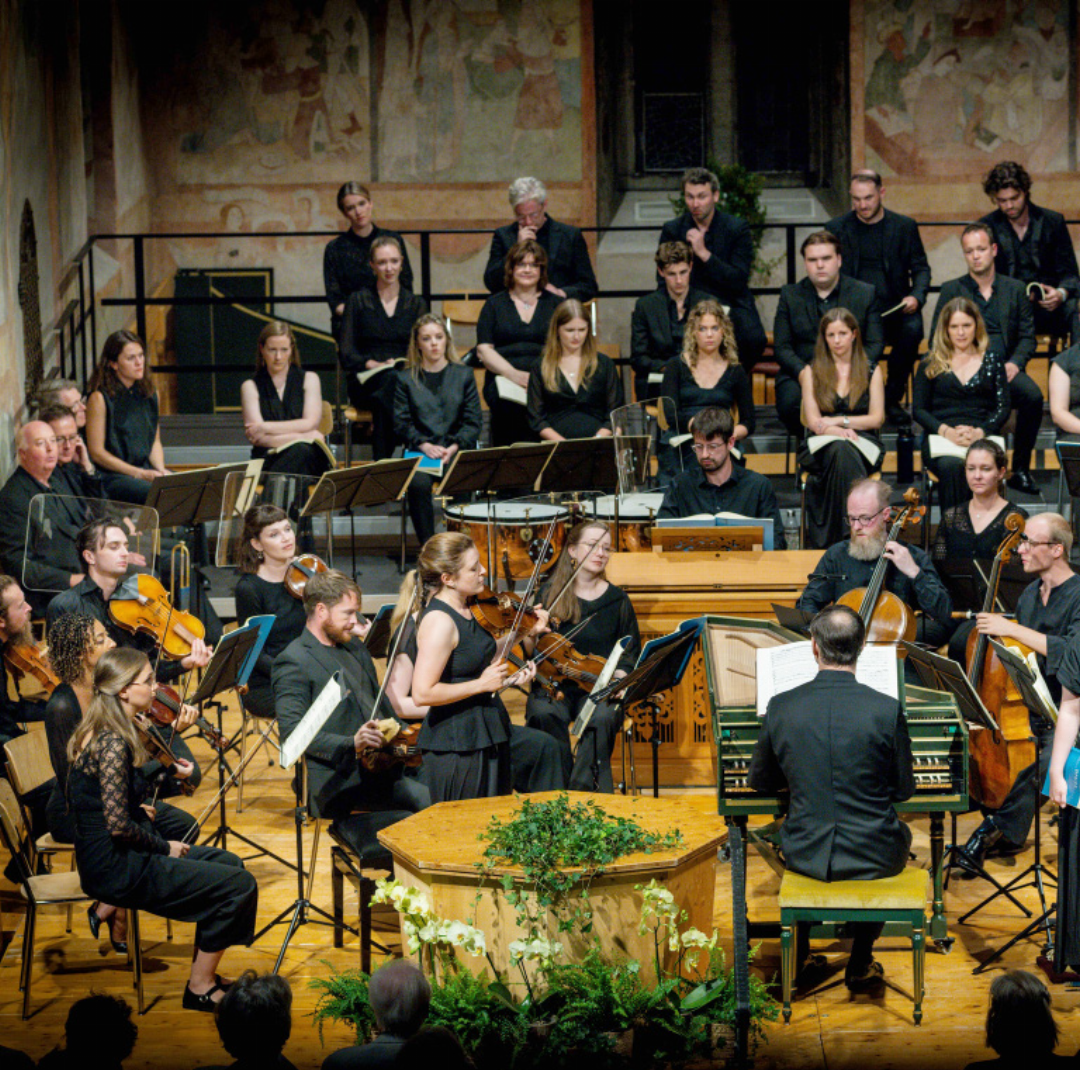
Israeli sopranist Maayan Licht arrived the day before the performance, and the evening was transformed into Sopranista Fireworks. The Kammerorchester Basel, under Dmitry Smirnov, had to adapt rapidly to a new soloist and rehearse different repertoire.
Despite the last-minute changes, the concert retained its original Baroque character, combining Handel's Concerti grossi with operatic arias by Handel, Vivaldi, Riccardo Broschi, Nicola Porpora and Geminiano Giacomelli.
Licht's vocal agility and theatrical presence won over the audience. Two encores followed, including Handel's Lascia ch'io pianga, and the evening ended with thunderous applause.
What might have become a disappointing cancellation instead provided a striking example of the professionalism, resourcefulness and musical flexibility that make a festival of this calibre possible.
Fresh ideas beyond the concert hall
While outstanding performances remained the festival's foundation, Hope's first season also introduced initiatives designed to broaden its cultural reach and encourage different forms of participation.
Among the most significant was The Summit, a new forum at the Grand Chalet Balthus in Rossinière that brought together perspectives from culture, society, and business.
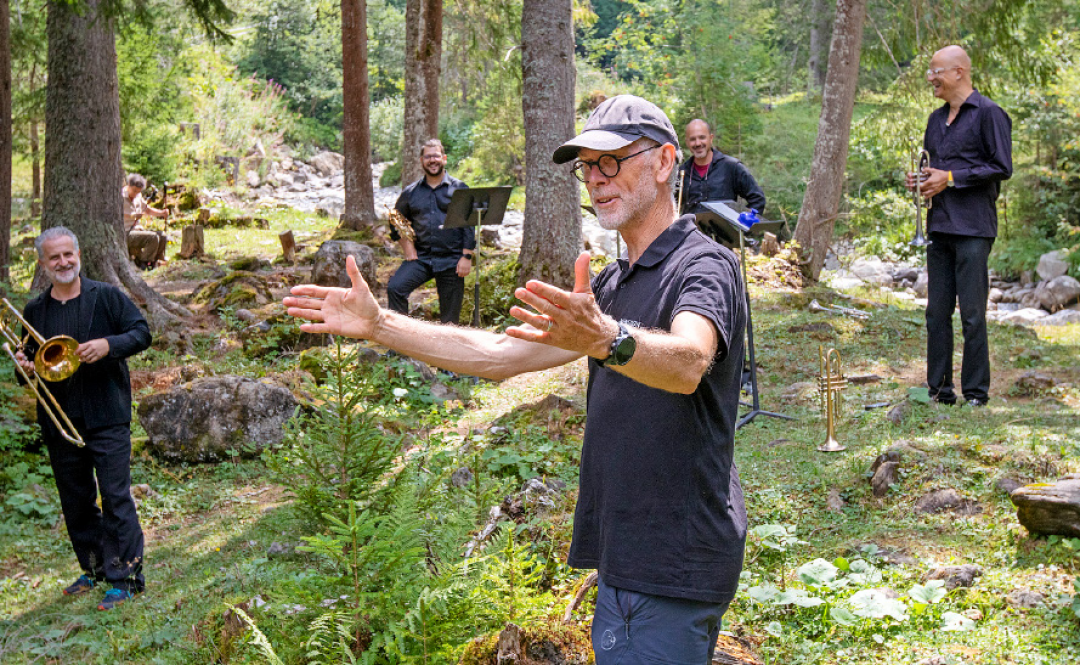
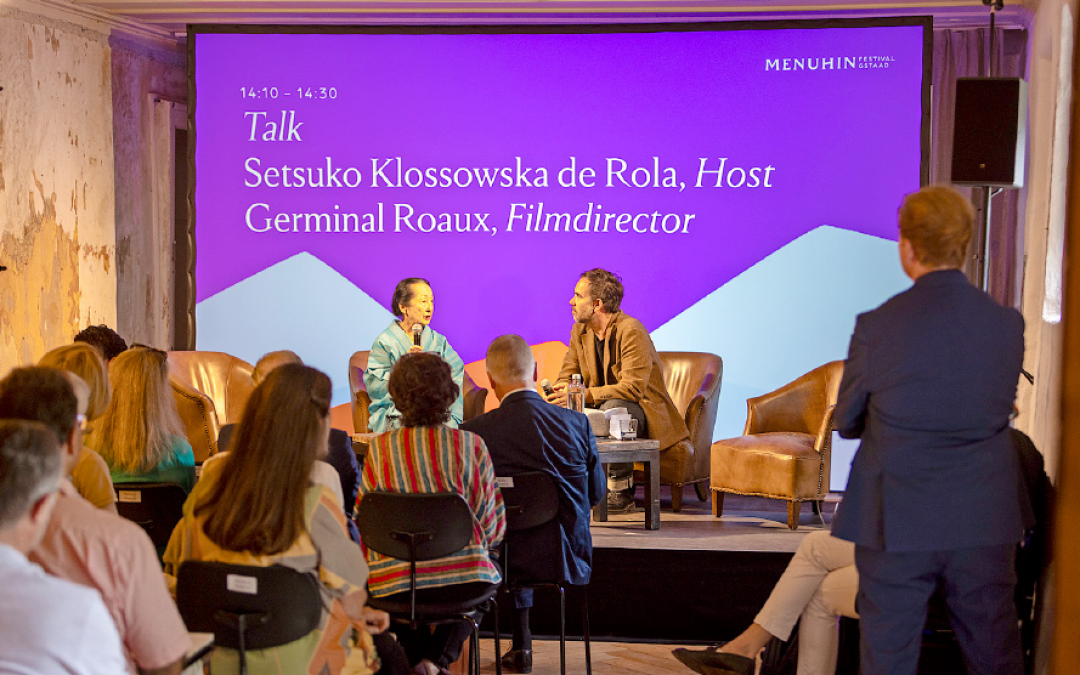
The President's Hikes connected music with the surrounding Alpine landscape, giving participants an opportunity to experience the festival beyond its traditional venues. Meanwhile, a new film series at the Ciné Theatre Gstaad offered audiences fresh perspectives on Yehudi Menuhin's life and legacy.
The Fiddlefest, featuring Hope alongside musicians from different musical traditions, reflected another important element of his artistic philosophy: an openness to musical encounters that cross conventional boundaries.
These additions were not conceived as a departure from the festival's classical foundations. Rather, they reflected Hope's ambition to recover some of the musical curiosity and informality that characterised Menuhin's original gatherings.
The commitment to future generations also remained central. Through the String, Piano, Conducting and Vocal Academies, young musicians worked with internationally recognised performers and teachers. The Discovery programme complemented this with family concerts, workshops and opportunities for children, young people and audiences with disabilities.
Looking ahead with greater ambition
For Hope, success is not measured by attendance figures alone. In an interview with cult.news in early September, he emphasised the importance of personal encounters with concertgoers and the satisfaction of introducing audiences to artists they might otherwise never have discovered.
Asked what he had learnt from his first season and how it might influence future programming, he replied:
“I think that I would like to be even bolder.”
That ambition comes with practical considerations. Hope acknowledged the need to balance artistic ideas with the financial and organisational realities of running a festival of this scale.
Nevertheless, the anniversary season appears to have given the new artistic direction an encouraging start. The festival reported a positive response to its new formats, many of which are already scheduled to return.
The 2027 edition, running from 16 July to 4 September, will take Passion as its theme. Confirmed artists include Anne-Sophie Mutter, Ray Chen, Igor Levit, Daniil Trifonov, Avi Avital and Alice Sara Ott. Beethoven will feature prominently in a programme marking the 200th anniversary of his death, while further highlights will include Verdi's La traviata and Beethoven's Ninth Symphony.
For a festival celebrating seven decades of musical history, the question was never merely how to honour its past, but how to carry its founding values forward.
Daniel Hope's first summer offered one answer: preserve the intimacy, artistic excellence and spirit of friendship that Yehudi Menuhin established, while giving new ideas room to develop.
The anniversary celebrations may be over, but the next chapter is already taking shape.
Source: Anzeiger von Saanen (Sonja Wolf, Hansueli Gammeter, Klaus Burkhalter)