

Rita Rovelli Caltagirone & Cindy Schönrich
14.08.2026 Profile, Innovation, Inspiration, Education, ArtGstaad, Gstaad Living, Events, Profile, Arts & Culture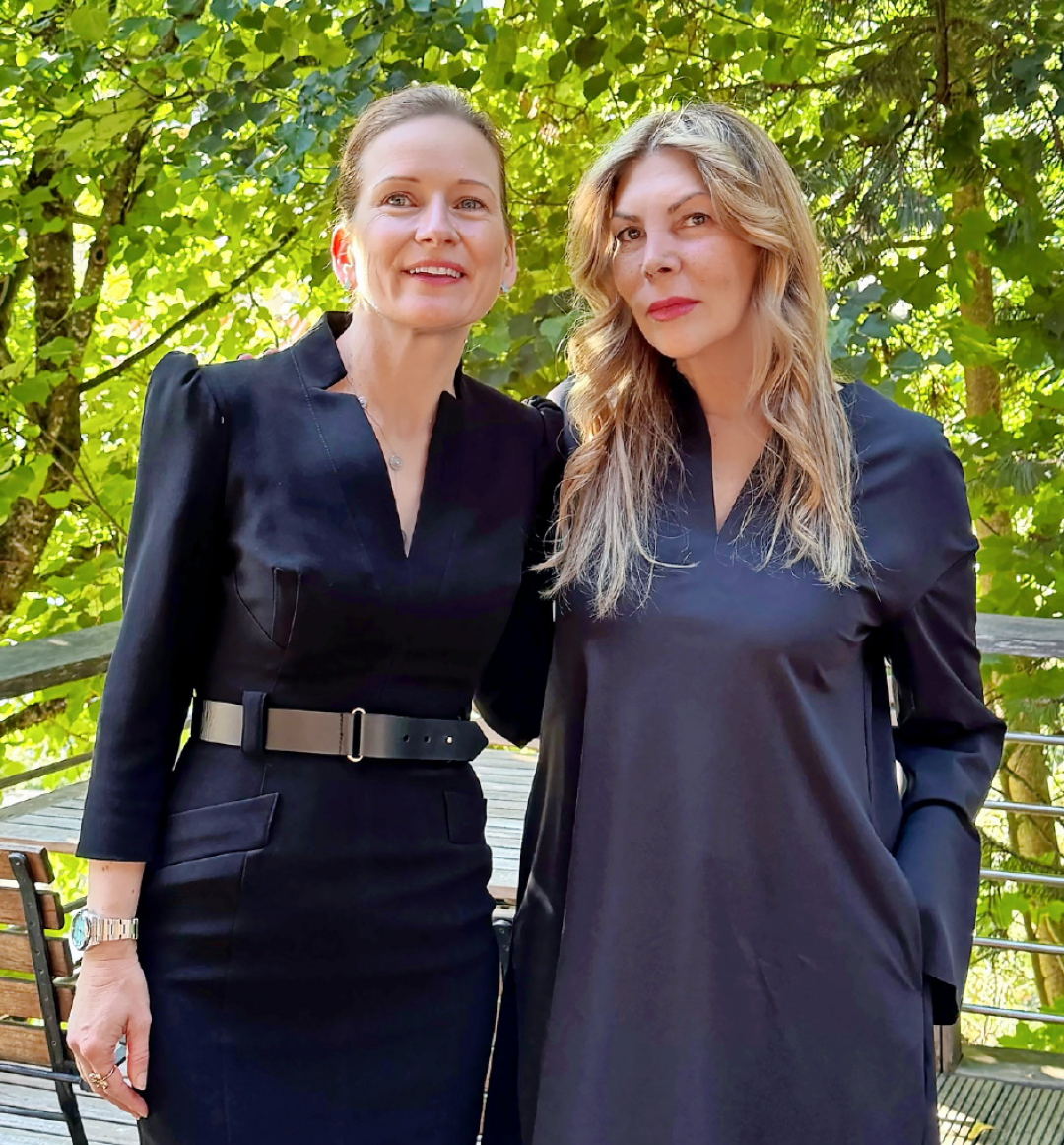
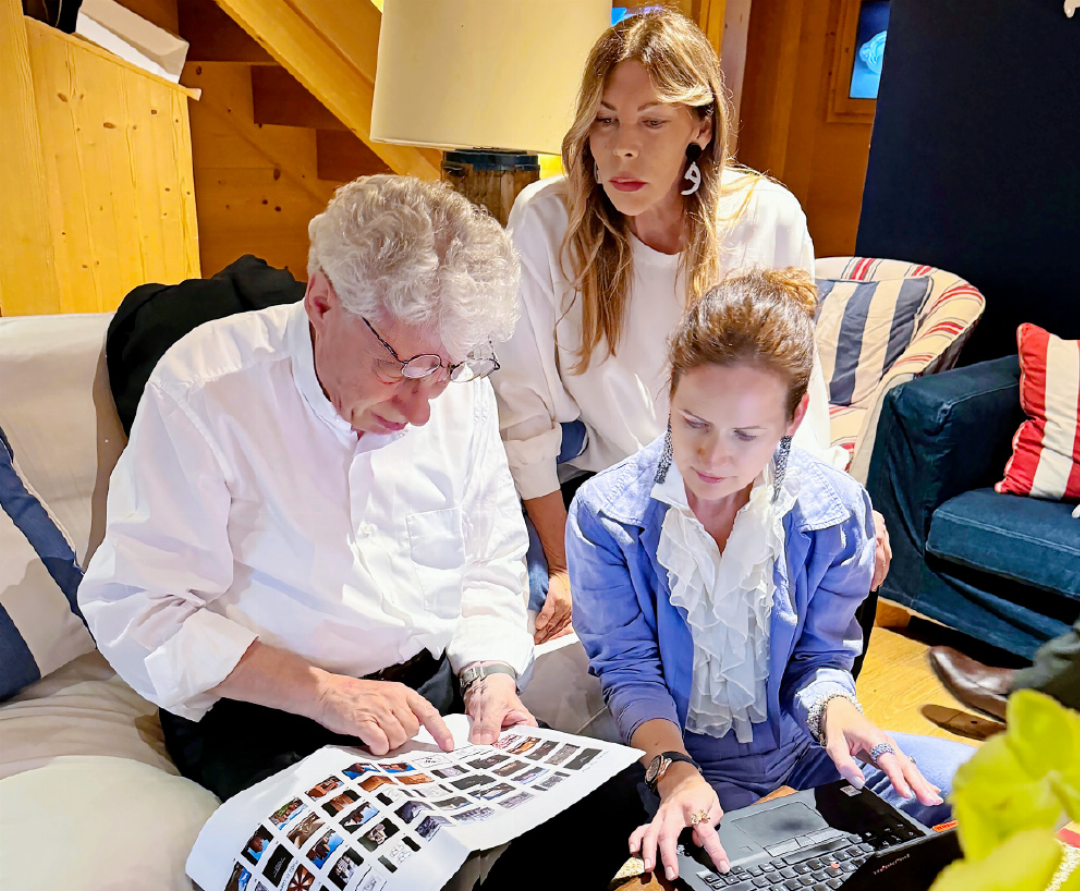
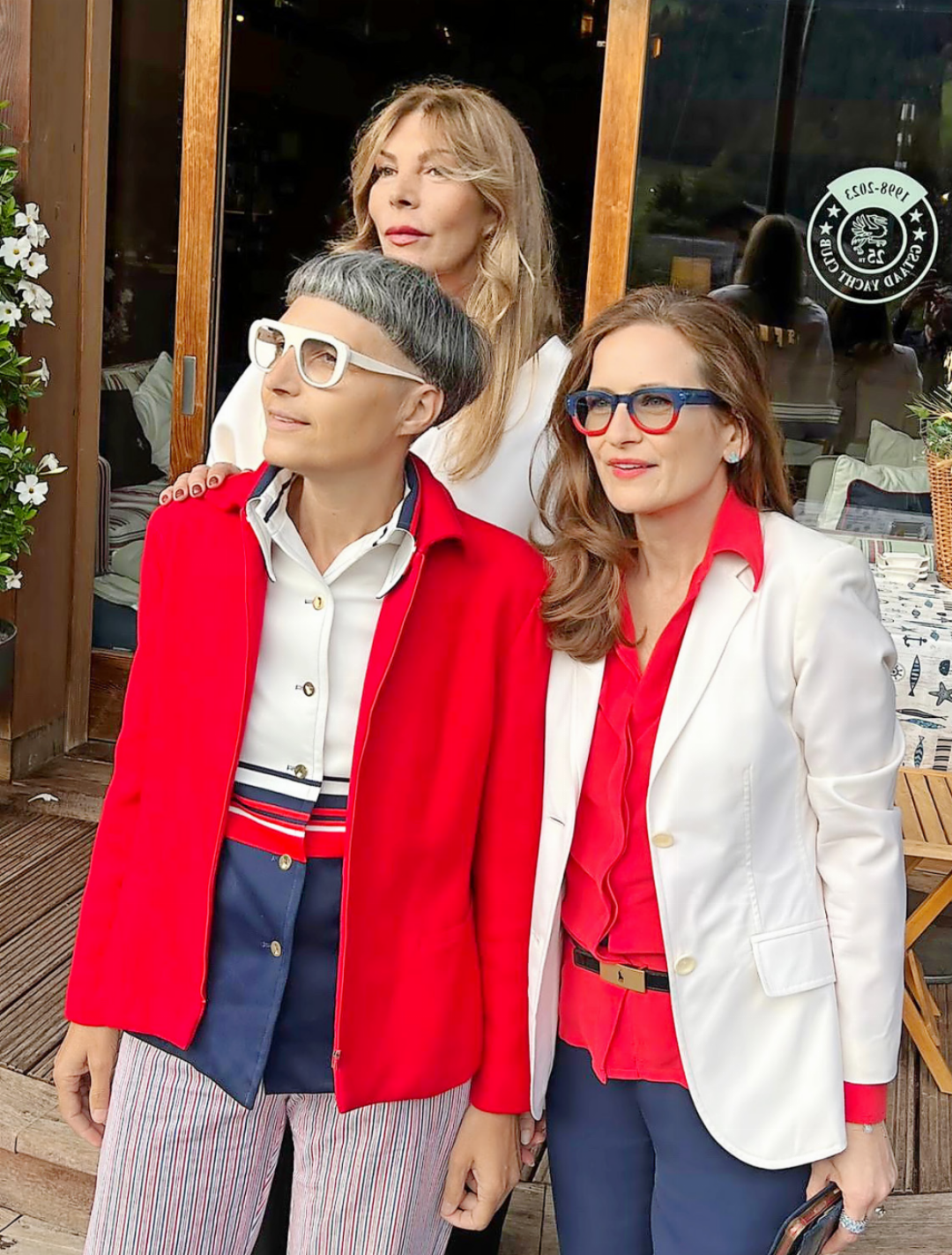
Rita Rovelli Caltagirone has called Gstaad home for over forty years. Cindy Schönrich has spent the better part of two decades shaping life at the Gstaad Yacht Club. Together, they created the Gstaad Cultural Encounters – dedicating Mondays in August to spending time with expert guest ...
Rita Rovelli Caltagirone has called Gstaad home for over forty years. Cindy Schönrich has spent the better part of two decades shaping life at the Gstaad Yacht Club. Together, they created the Gstaad Cultural Encounters – dedicating Mondays in August to spending time with expert guest speakers.GstaadLife caught up with both of them to talk culture, community and the art of meaningful conversation.
Why create the Gstaad Cultural Encounters?
Rita: Gstaad has changed a lot over the past seven or eight years. Art galleries arrived, and the art market came with them. February now feels like a small Art Basel with the focus on marketing and selling. I saw there was no space to talk about culture for its own sake, without any kind of sales transaction in mind.
Culture and education have always been close to my heart and I believe knowledge is the greatest richness there is. How rare is it to sit in a room with someone truly brilliant and just listen? To hear a person talk about the thing they know better than almost anyone in the world and to come away having learned something you didn't expect? That is what was missing. So I decided to do something about it and Gstaad Cultural Encounters was born. The recipe is simple: an expert in their field comes to talk, you listen, you learn, you stay for a drink, you meet interesting people and you leave a little different than when you arrived.
I'd known Cindy for years and admired the way she ran things at the Yacht Club. I told her I wanted to build these cultural encounters with her because we work so well together. She didn’t hesitate. We are quite different, Cindy and I. She is very Germanic but with a Latin spark. I am completely Mediterranean but grew up in Zurich, so I have this Germanic side. We complement each other perfectly. That is why it works.
Cindy: When Rita came to me with the idea for the Gstaad Cultural Encounters, it felt like a natural fit. Speaker series have always been part of the Yacht Club's DNA where we offer something meaningful, some food for thought. We chose Monday evenings in August deliberately. The summer calendar is already full. We didn't want to compete with it, we wanted to add to it. Weekends belong to family and friends. Monday is the one evening where people tend not to have plans.
How do you choose your speakers? Is there a guiding theme, or is it more instinctive than that?
Rita: We invite people who have achieved excellence in their respective fields, people who can make you think. Everything is blending together now – the art world, experience, luxury – and that's fascinating. But we wanted to protect a space that is purely about ideas. On Monday we do something intelligent. Then you can go and see art, love it, buy it, acquire it, whatever you want. But we need this space. A little high level. A little different.
Cindy: Past speakers have spanned art, culture and entrepreneurship – from Brunello Cucinelli talking not about fashion but about family values and how they shaped his business, to artists working across African and Southeast Asian art. There's no single theme, but there is a standard. Rita handpicks everyone and puts enormous thought into each invitation. She won't announce a speaker until she's completely certain they're coming.
Who are the evenings for – locals, visitors, or both?
Rita: Everyone. Residents, villagers, people passing through for a week. The programme is designed for the whole community, not a specific crowd. We also hold an event on a Monday evening in February, so there's something for whoever is in Gstaad at that time of year too. We are very deliberate about the February timing – we hold it on the Monday evening before the art week market begins. Our first February speaker was Not Vital, a fantastic Swiss artist who owns three castles in the Engadin and builds towers in Africa and Switzerland to watch the sunset. Almost nobody knew him because he isn't commercial. Then, this February, we invited Simon de Pury, a star who built a career as an auctioneer and disc jockey, and even played himself in Emily in Paris. We had a full house. I try to combine the two – the unknown and the well-known. That contrast is part of what keeps it interesting.
Cindy: It's from people, for people; there's no commercial agenda behind it. We promote it across the Gstaad community – you’ll find posters around town, and we're listed on the Gstaad events calendar. We've kept it deliberately low-key. The topics are specific enough that the right people find their way to it.
What can people expect from a Gstaad Cultural Encounters night?
Cindy: Doors open at six thirty – time to arrive, settle in and have a drink before things begin. The speaker starts at seven, and we protect that. The talk and Q&A run through to eight, which gives everyone a full hour without it spilling into the evening. Then there's dinner for those who want to stay. Shared experience does something to a room. People arrive as strangers and leave having made a connection. Rita always says people come back. We love that.
Rita: People are sometimes afraid of culture. They think it will be serious or boring, or simply not for them. We want to show it doesn’t have to be like that. Then they come, they relax, they have a glass of champagne, they listen. And, yes, then they do come back.
Looking back, has there been a particularly memorable evening?
Rita: They are all favourites, it wouldn't feel right to single one out. Some guests are more publicly recognised, so the crowd is larger, but every evening has been unique in its own way. What I love is the mix of the unknown and the well-known side by side. It has to encompass the way we live today – an artist, yes, but also a curator, a scientist, a thinker. What you learn historically, scientifically, literarily – that's what I'm drawn to. Otherwise it gets too confined. For 2027 I'm already thinking about inviting the director of the Giacometti Foundation. The range of speakers is the point.
Cindy: The talk on the art centre built in the middle of a Thai forest stayed with me. I had no idea it existed before that evening – an entire cultural institution, created from nothing, in the middle of a forest in Thailand. The speaker was due to receive a royal honour from the Thai royal family the same week and still came. I sat there thinking, here we are in Gstaad, talking about something happening on the other side of the world that most of us had never heard of. That is exactly what this is for. I now follow that speaker on Instagram and read everything she posts. A stranger became someone I genuinely keep up with. And I'll admit that sitting opposite Brunello Cucinelli at dinner afterwards was something I won't forget either. I'm a people person, and being able to meet these people – to genuinely look into an interesting life and share it – that is what makes this so enriching.
Where do you see Gstaad Cultural Encounters going – bigger, or staying focused and intimate?
Rita: I would like it to remain human in its scale and spirit. If it grows, it would simply mean that more people have become aware of the importance of culture and knowledge. The essence should stay intimate, focused and personal – everyone is welcome, experts and non-experts, residents and people just passing through. There should be no barrier to walking in.
I also haven't mentioned the beauty of the Yacht Club clubhouse. It's just made for this. There is nothing institutional about it, nothing that makes you feel like you have to be a certain kind of person to belong there. We get a hundred, a hundred and twenty people when it's full, sixty or seventy when it's a little less – and we're happy with that, because at that size you can really talk to people. The guest speakers love it too. They don't see it as institutional. They see it as community work. That is exactly what it is.
Cindy: First, we’ll maintain the momentum, then we’ll grow. The world is a shifting place and maintaining quality and interest is not automatic – if you can sustain something over time, that alone is an achievement worth being proud of. We are only in our third summer, with one winter evening held each February as well and I'm genuinely grateful we have kept it going and kept it interesting. I think it’s like nurturing a plant – it needs patience and constant nutrition to be able to grow and flourish. You cannot rush it. After this season, Rita and I will sit down properly and think about what growth could look like.
One thing I do think about is what could come out of these evenings beyond the conversation itself. We record everything and one day I would love to build a proper archive – maybe even a documentary from all we have captured. And perhaps future collaborations will grow from connections made in that room. We want to keep it human and real. The roots are strong, and I think there is real potential ahead.
If you could invite anyone to speak, who would it be?
Rita: Tracey Emin, without hesitation. I admire the honesty of her work and the way she transforms personal experience into something universally resonant. I would want her to speak not only about her practice, but about life, memory and the quiet type of strength that can emerge from difficulty. She's probably one of the best artists of our time and she has a lot to say. People have a reaction to her because of her persona. But I like that she is entirely herself. People don't have to comply with how they're supposed to be every time. I would also love King Charles. A man of immense culture, he owns and has seen the most beautiful and important private art collections and is a world expert on architecture and garden flowers and garden landscaping. But Tracey Emin is the one I'd really want in that room. Who knows, perhaps that’ll happen one day.
Cindy: I have a little list, I'll admit. But if I have to choose, I would say Alaida Assmann or Ai Weiwei.
Beyond the evening itself, what do you hope people take away? Cindy: Connection, certainly, and I hope sometimes that deepens into real friendship. But beyond that, I always find myself wondering what action might come out of it. Every talk is someone presenting a lifetime of work, opening a door into something most of us have never seen. That stays with you. It plants something. I don't yet know exactly what form that action will take, but I believe it will come. Maybe it's a collaboration between two people who met in that room. Maybe it's someone in the audience who goes away and does something they wouldn't otherwise have done. The plan is still evolving.
Rita: Curiosity, above all. Gstaad has a wonderful life to offer – people are sporty, social and always have a lot going on. That is part of its charm. But it's good to pause and think of something else for an hour. To sit still and listen. To let something in that you weren't expecting. If people leave with a question they didn't arrive with, we have done our job.
The August 2026 Programme:
Monday 3 / Touria El Glaoui / 1:54
Mon 10 / Raphael Castoriano / Kreemart
Mon 17 / Alvaro Barrington / Artist
Mon 24 / Beatrice Bulgari / Video Art Foundation
Mon 31 / Christian Levett / Museum and Collector
For further information and RSVPs for the Gstaad Cultural Encounters, contact info@gstaadculture.com