

The flowers outside our door – a walk through Tarmak22
14.08.2026 Arts & Culture, Editors Picks, Gstaad Living, Traditions, Inspiration, Lifestyle, Gallery & Exhibitions, Arts & Culture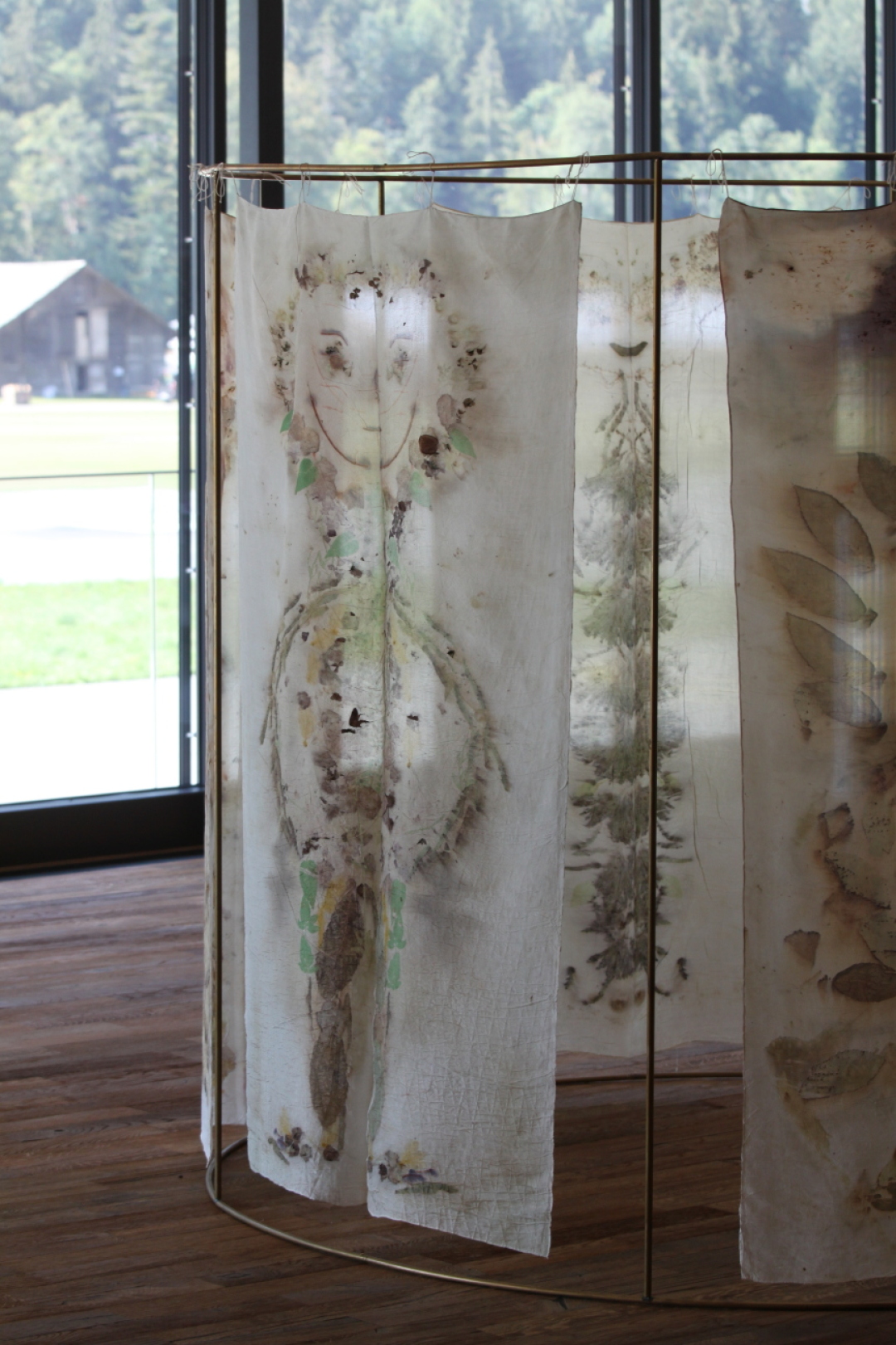
Gentians, dried Alpine plants, centuries-old botanical drawings and works by some of the biggest names in contemporary art: the summer exhibition at Tarmak22 begins not in New York, London or Venice, but in the meadows of the Saanenland. Curator Antonia Crespi takes us through How to Dance in Flower Fields – an exhibition that to me feels, in many ways, like a tribute to the landscape outside our own doors.
“This show really begins with the flora of the Saanenland,” says Antonia Crespi as we start our walk through Tarmak22.
It is an important place to begin because the exhibition might, at first glance, appear rather international. Wolfgang Tillmans, Max Ernst, Chris Ofili, Franz Gertsch, Chiara Camoni, and Álvaro Urbano are among the artists on display. Works that would normally be encountered in major museums and collections rather than in a former aircraft hangar at Gstaad Airport. But look beyond the names, and How to Dance in Flower Fields feels remarkably close to home.
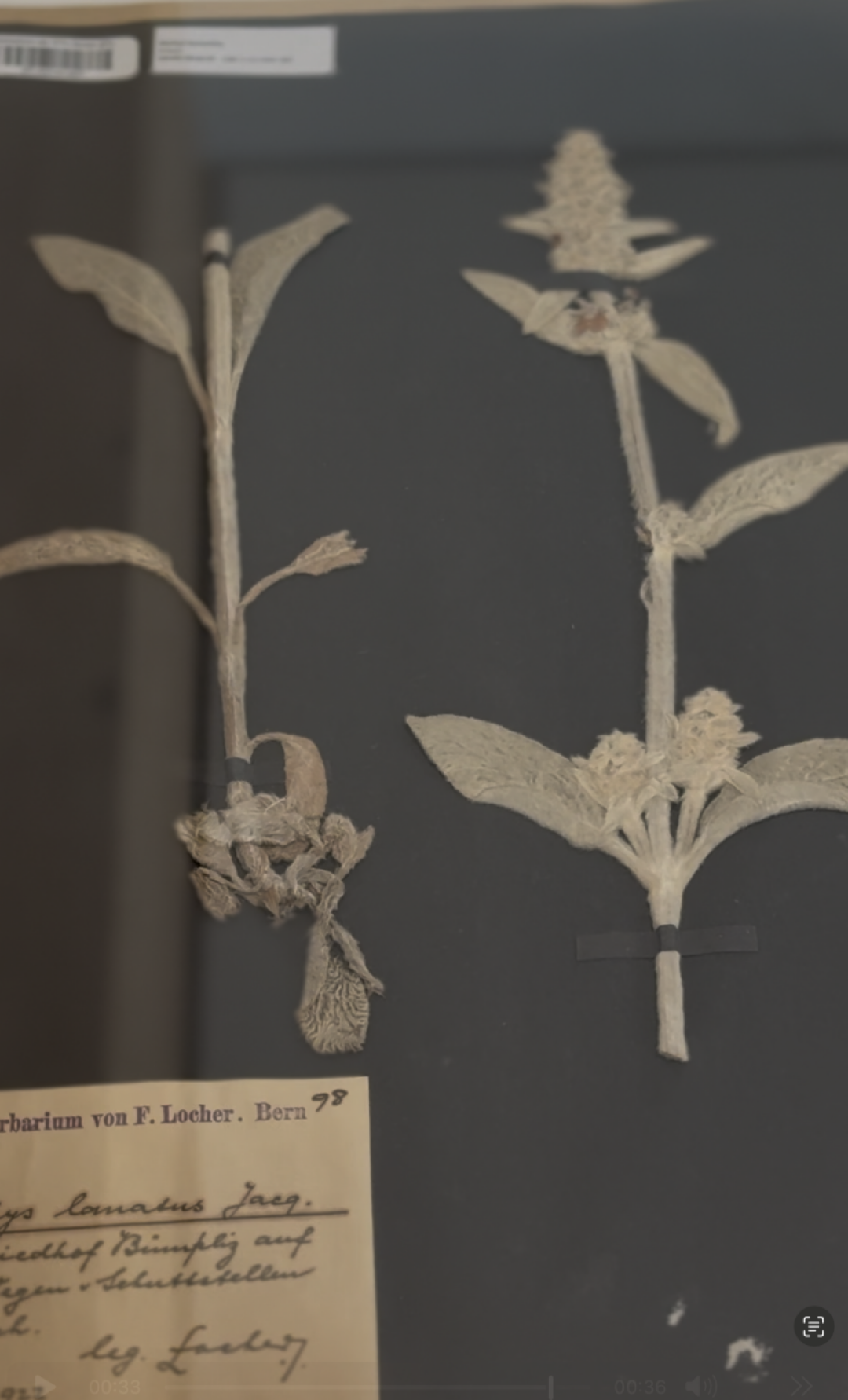
On one wall are plants from the region, collected, dried and preserved as scientific specimens. Tarmak22 worked with several Swiss botanical archives to select material specifically connected to the flora of the Saanenland and the surrounding Alps. There are gentians – perhaps the flower we recognise most readily – alongside botanical drawings and specimens dating back centuries.
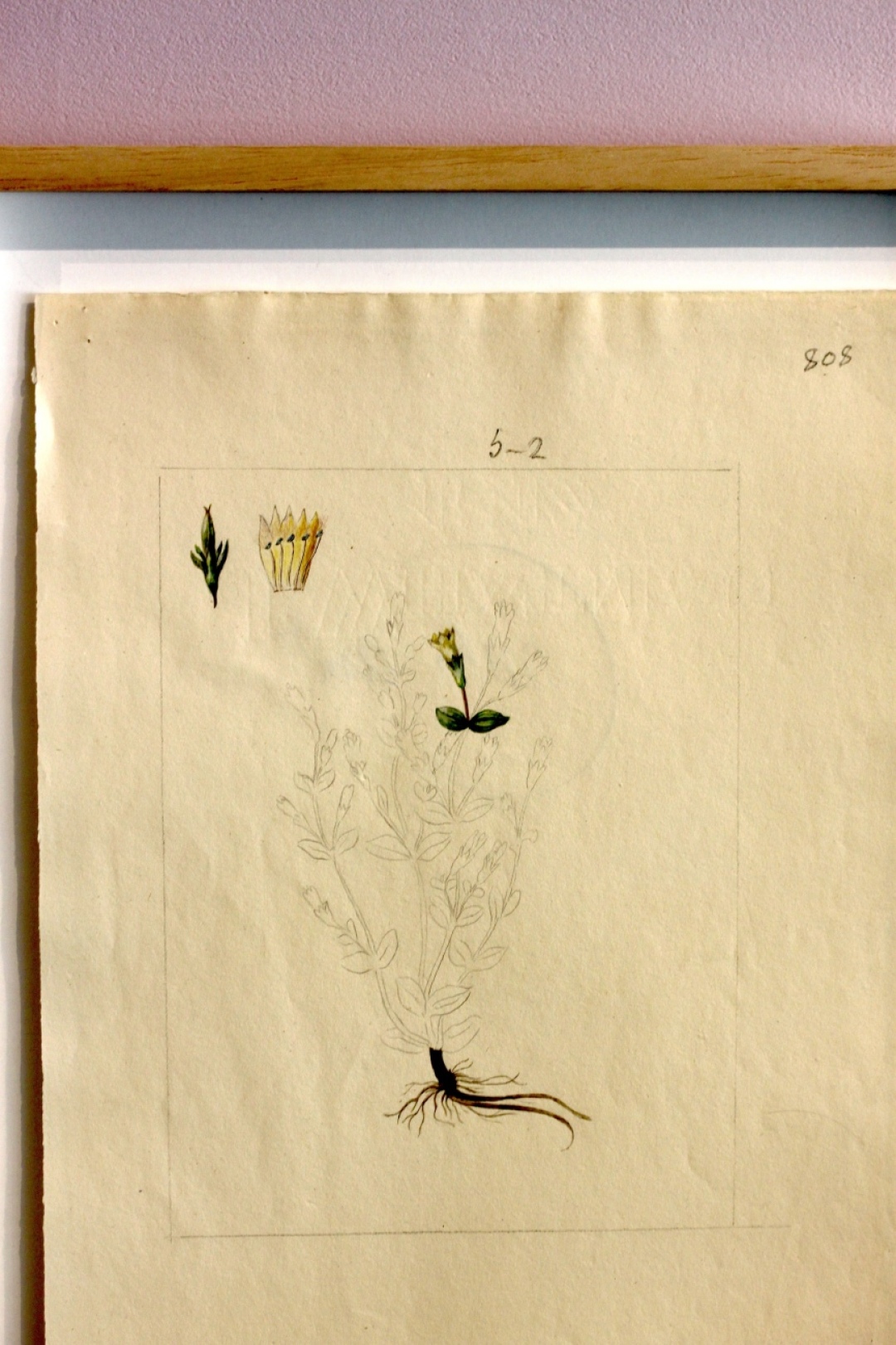
Crespi stops in front of one of them. Even the way the plant has been positioned on the sheet interests her. The roots, stem and flower have been arranged with an eye for composition. “For me, that's already very contemporary,” she says. “These scientists were artists of their time.” Suddenly, a herbarium sheet does look rather different.
When science becomes art
Some of the preserved plants are centuries old, yet their leaves, stems and roots remain astonishingly clear. Nearby are botanical illustrations created before photography made recording plants comparatively simple. Every vein, petal and root had to be observed and drawn. The detail is extraordinary.
One group of drawings from the Botanical Garden in Geneva records plants that had to be returned to another collection. Before the specimens left, they were drawn so that a visual record would remain. Looking at them today, some appear almost three-dimensional. That boundary between scientific documentation and artistic interpretation runs throughout the exhibition.
It also raises a question that becomes more interesting the further we walk: where exactly does one end and the other begin?
A botanist preserves a gentian because it contains information. An illustrator records it because colour and detail might otherwise disappear. An artist may see the same plant and find a completely different meaning in it. Crespi's exhibition places all three approaches in conversation.
Plants, people and everything in between
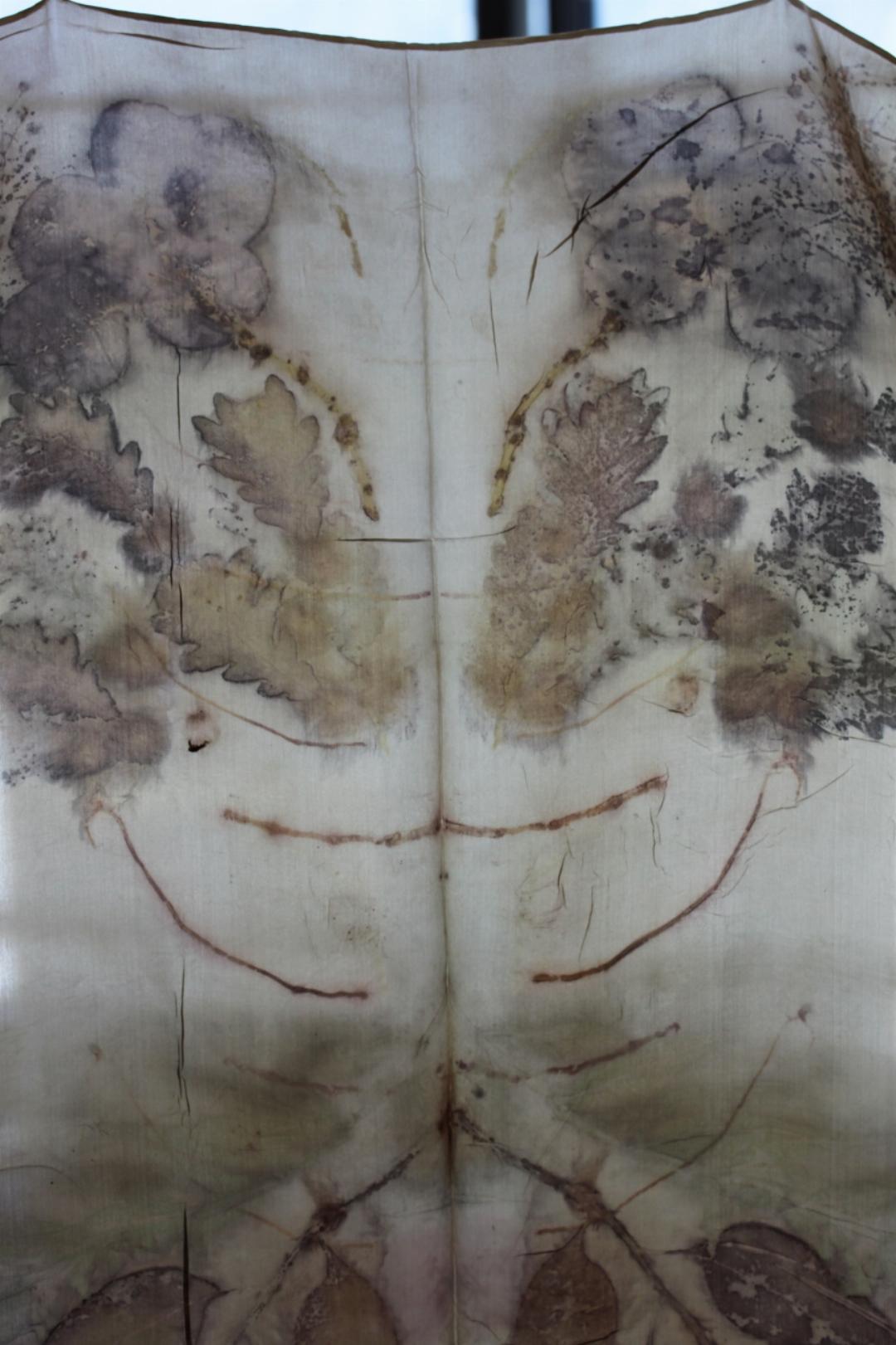
We stop in front of a large work by Italian artist Chiara Camoni, whom Crespi describes as central to the thinking behind the exhibition. Plants, fossils and human forms appear across the textile, folded and transferred onto its surface. No clear hierarchy separates them. Human, plant and other forms seem to belong to the same system. “It is all a circle,” Crespi says. “It's all connected.”
That idea runs through How to Dance in Flower Fields: our tendency to regard nature as something around us rather than something we are part of.
Flowers bloom, die back and return. Plants adapt to heat, cold and lack of water. They hibernate. They regenerate. Humans may like to imagine ourselves as separate, Crespi argues, but we share far more with these natural cycles than we perhaps acknowledge.
It is a philosophical idea, but here in the Saanenland it does not feel particularly abstract. We stand, and live, surrounded by the evidence.
From a 1932 Max Ernst to today's artists
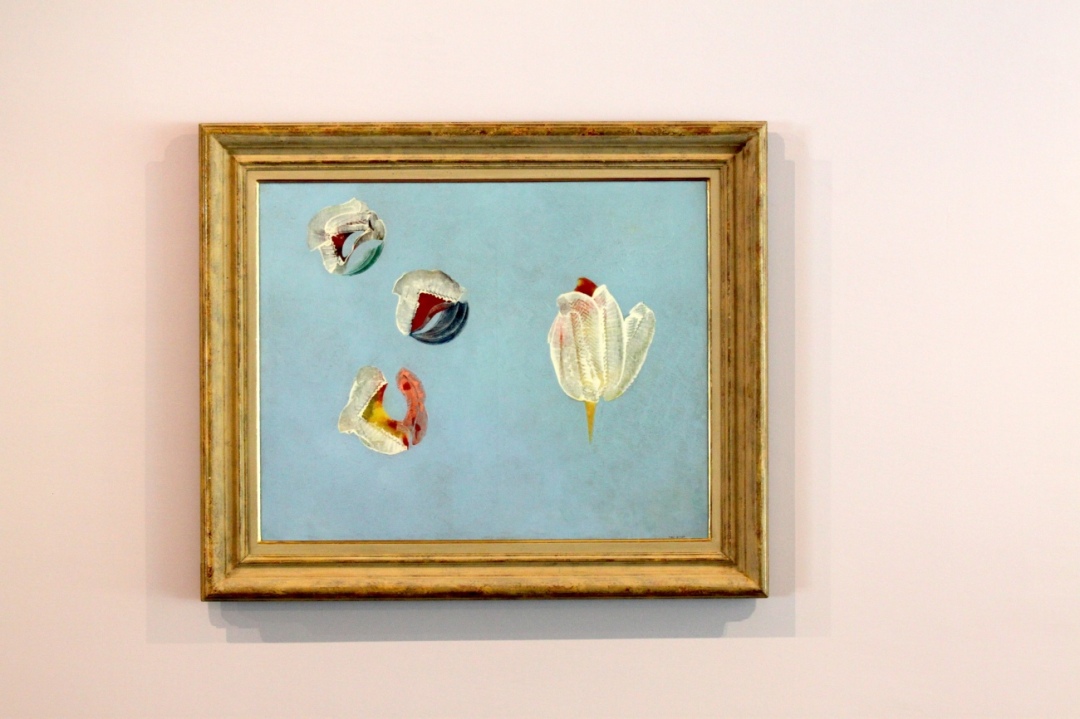
On another wall, Crespi brings together works that she describes as more dreamlike, mystical and spiritual. A Max Ernst work from 1932 depicts tulip-like forms in colours far removed from conventional botanical representation. Look longer, and they begin to resemble parts of a human body. Plant and human merge. “It is so modern,” Crespi says.
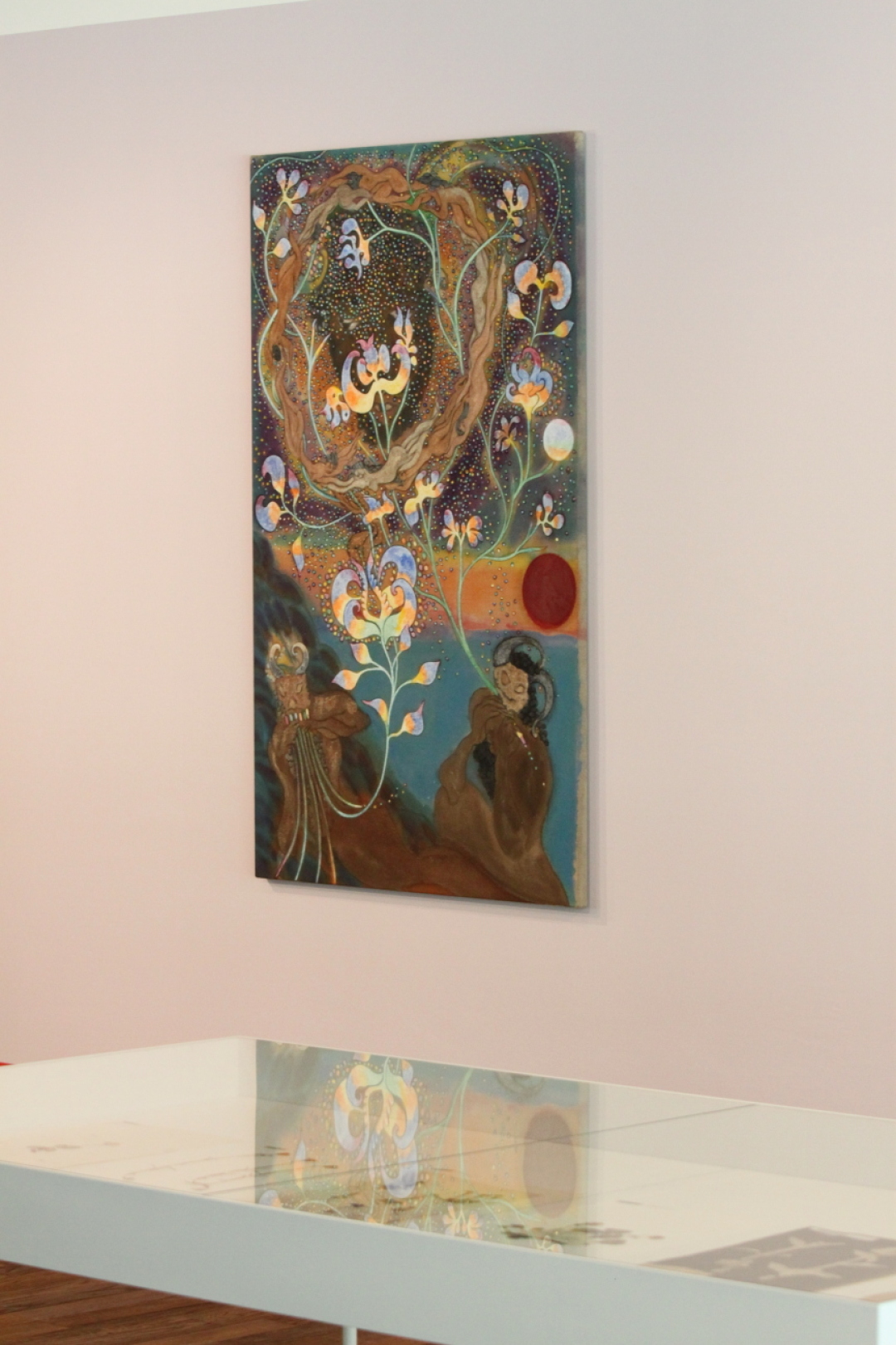
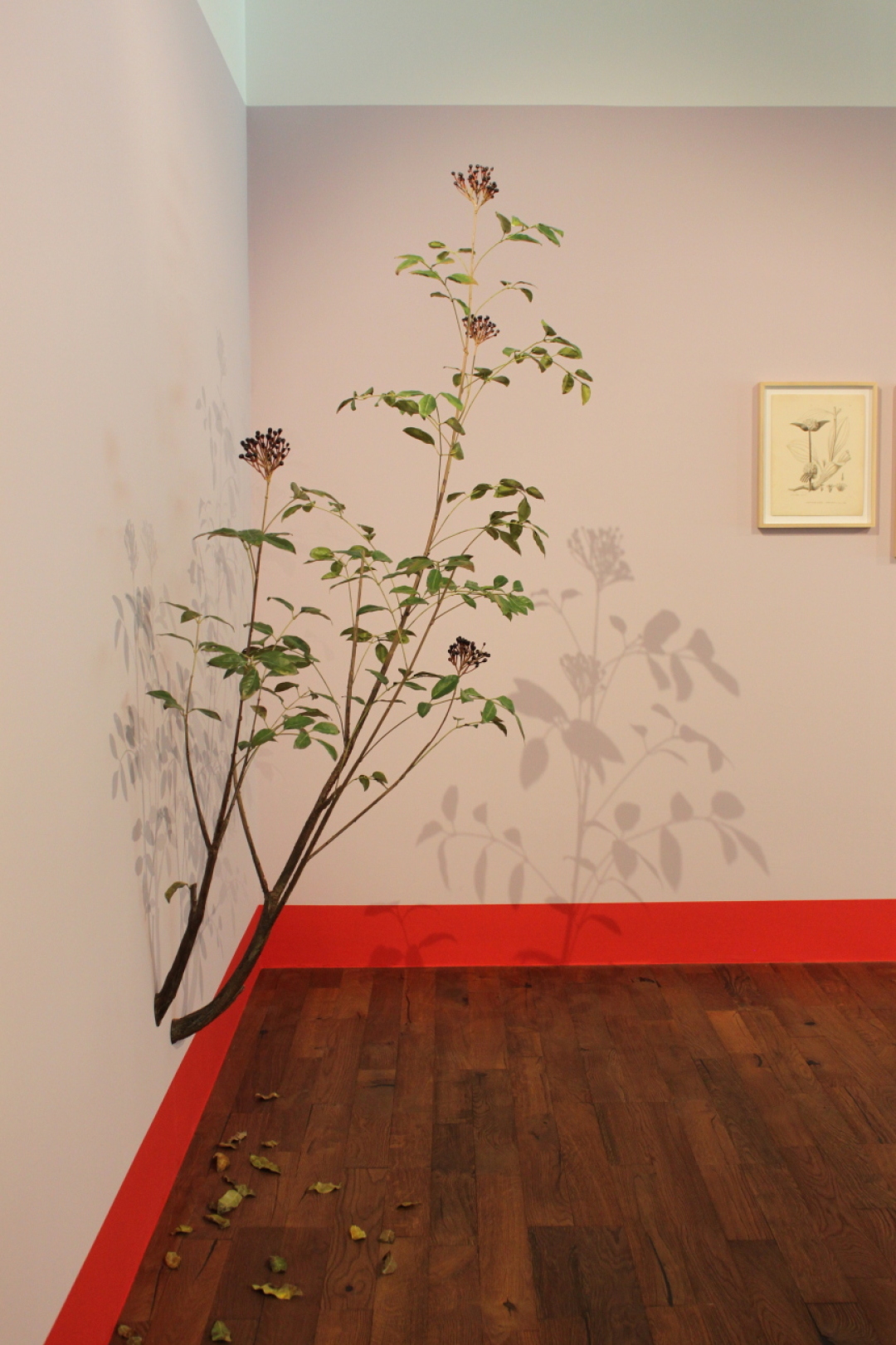
Nearby, contemporary works continue that same conversation decades later. Chris Ofili approaches nature through a more dreamlike, mythological lens, while Spanish artist Álvaro Urbano turns plants into painted metal forms. Some branches have leaves, some do not. They appear to be growing where they please, intruding into human space. For Crespi, they represent nature's persistence: growing, falling, dying and returning.
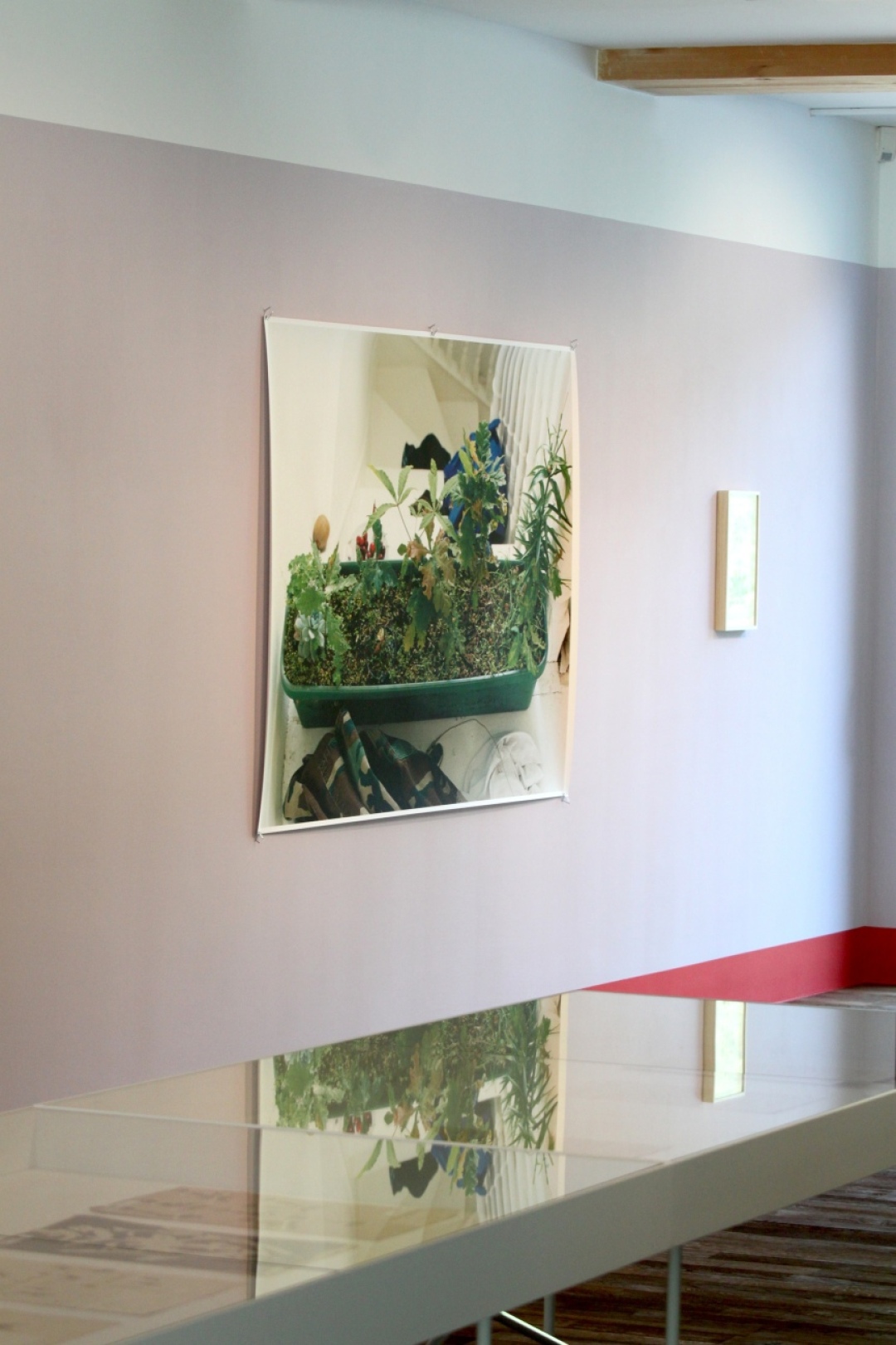
Then there is Wolfgang Tillmans. His photographs bring plants into the everyday – not an idealised Alpine meadow or an immaculate botanical garden, but the ordinary places in which humans and plants coexist. Clothes, domestic spaces and vegetation share the frame.
The exhibition moves constantly between these scales: the plant carefully preserved by a scientist; the flower beside someone's clothes in an apartment; the forest; the human body; the entire natural system.
A particularly Swiss conversation
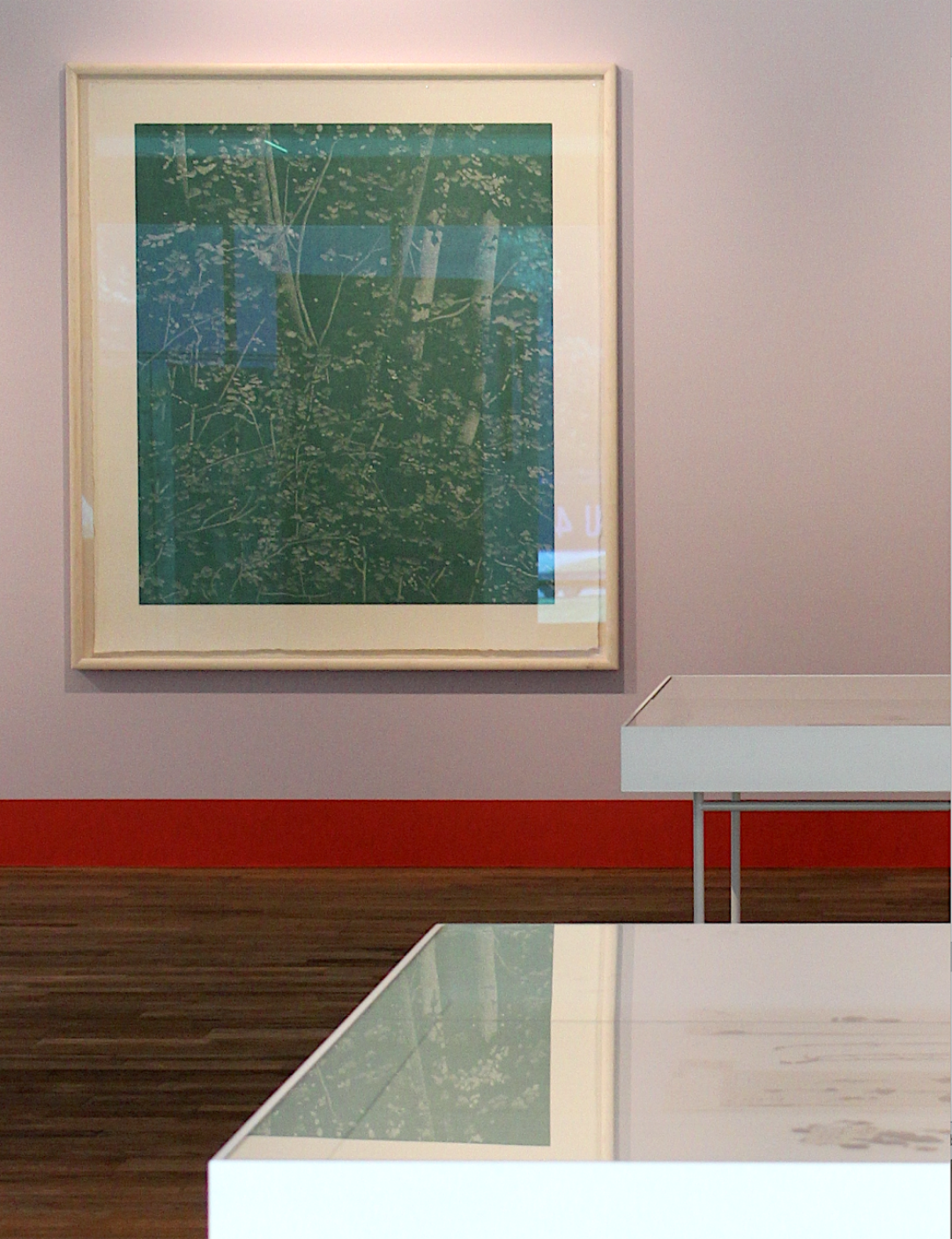
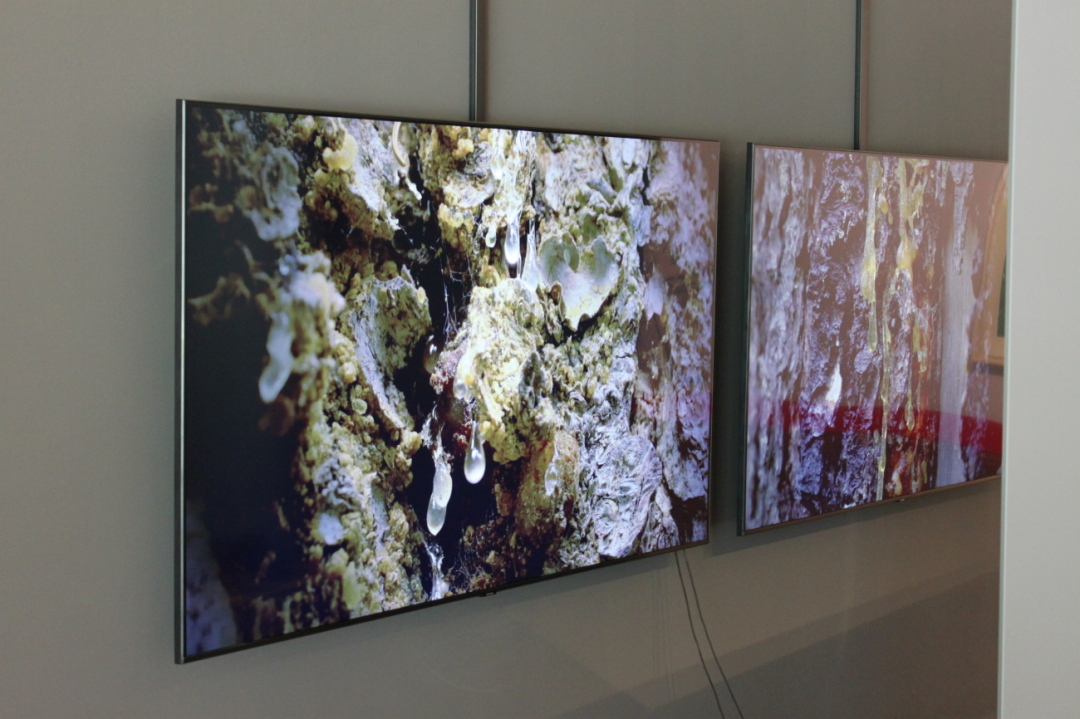
There is also a Swiss voice running through the exhibition. Franz Gertsch's treatment of vegetation in woodcut brings another interpretation of the landscape, while a video work by Zurich-based Monica Ursina Jäger takes us into the Swiss forest. Images, movement, and sound create something that Crespi describes as almost a frequency. Rather than simply looking at a forest, you begin to feel surrounded by it.
The work deals with resilience, habitat, and the environment to which we belong – themes that have acquired additional urgency during a summer in which heat and water scarcity have visibly affected the landscape.
Standing in an exhibition that began with specimens collected from this very region, that idea is difficult to dismiss as merely poetic.
“It is not about understanding”
There is another reason Crespi wanted this particular exhibition at Tarmak22. She wants people from the Saanenland to come – including those who might otherwise walk past a contemporary art gallery, assuming it is not for them.
“Art and a space like this are there to enjoy,” she says. “It doesn't matter if you don't know the painter or the botanical information.”
Perhaps a colour makes you uncomfortable. Perhaps a work attracts you without your knowing why. Perhaps you dislike something entirely. That response is already part of the act of looking at art. Crespi compares it to hearing a piece of music. “We do not necessarily need to understand its composition before deciding that it moves us.”
And perhaps How to Dance in Flower Fields is an especially good exhibition with which to test that idea.
Start with the gentian.
You have probably seen one before. You may know exactly where they grow. Look at one collected and preserved generations ago. Look at how a botanical illustrator recorded another. Then see what Max Ernst, Franz Gertsch, Wolfgang Tillmans or a contemporary artist finds in the same natural world.
That may be the best argument for visiting Tarmak22. Not to understand everything. Not to recognise every artist. But simply to look. And then, perhaps, to step outside and look once more at the flowers that inspired it all.
The exhibition brings together works presented in collaboration with @davidzwirner, @nahmadcontemporary, @hauserwirth,@spazioa_pistoia, @travesiacuatro, and @monicaursinajaeger
How to Dance in Flower Fields | Where: Tarmak22, Gstaad Airport | When: Until 6 September 2026 | Wed–Sat: 2-6pm