

THE ART OF COLLECTING MEDIEVAL MANUSCRIPTS
23.01.2026 Advertising, ArtGstaad, Business, Arts & Culture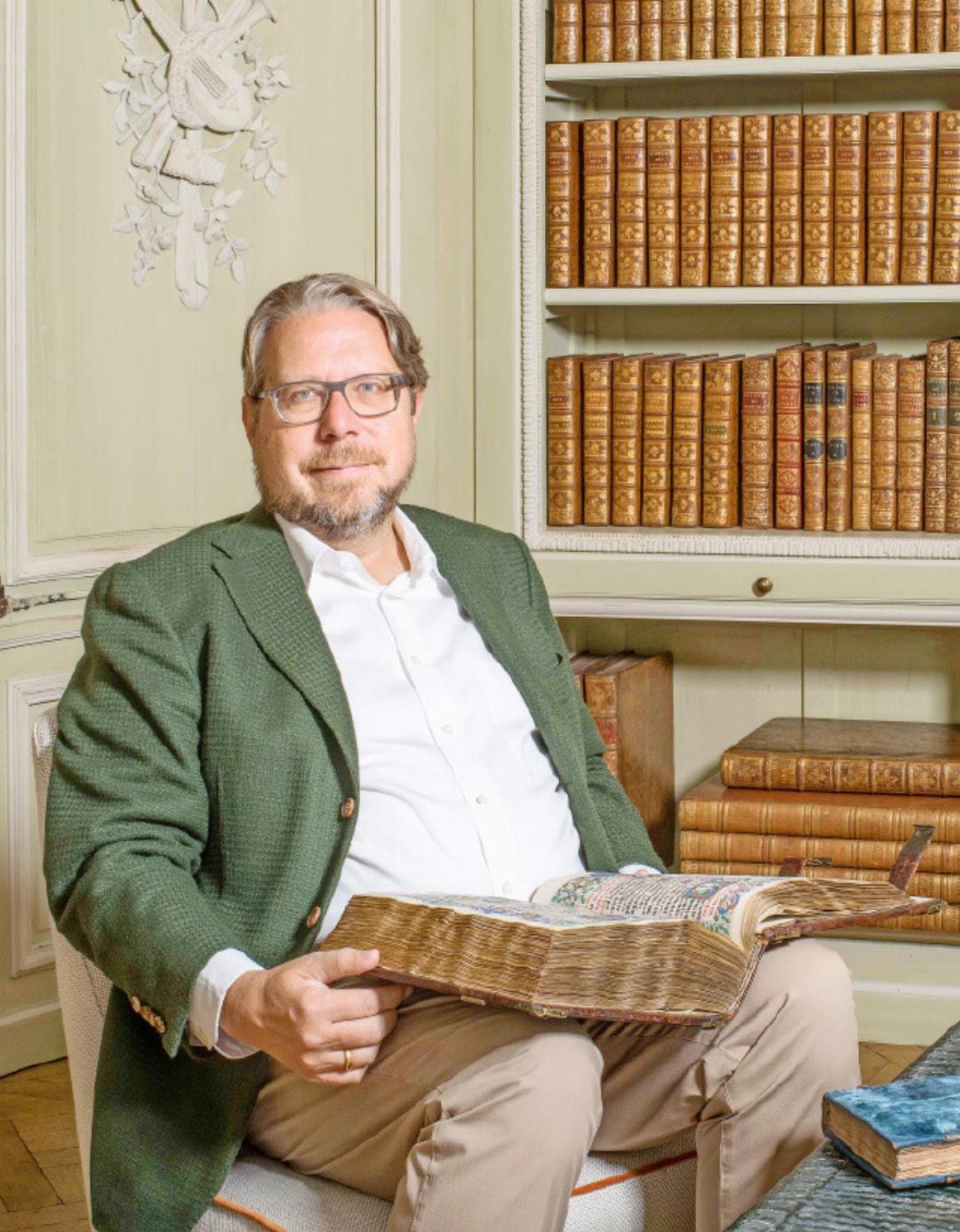
Meticulously copied by scribes and illuminated by gifted artists, manuscripts preserve the intellectual and artistic heritage of our past.
Seeing a manuscript for the first time up-close is a very special experience: one can feel and observe the structure of the vellum, the intricacy of the handwritten script and the liveliness of the artwork. Manuscripts allow the observer to connect with the people who created, owned and loved these books hundreds of years ago.
Museum-quality manuscripts in Switzerland
The unique tomes presented here are part of the world-class inventory of Dr. Jörn Günther Rare Books, a Swiss art gallery based in Basel, specialized in manuscripts and miniatures from the Middle Ages and the Renaissance.
Dr. Günther has dedicated over 40 years to helping museums, libraries and book enthusiasts all over the world build their collections since the opening of his first Antiquarian bookstore in Hamburg in 1990. The company’s institutional clients include the J. Paul Getty Museum, the Metropolitan Museum of Art and the Louvre Abu Dhabi, among others.
From bibles, books of hours and liturgical manuscripts to famous works of literature, scientific treatises and many other types of important tomes – Dr. Jörn Günther’s inventory offers manuscripts for every area of interest.
A World History made for the French King
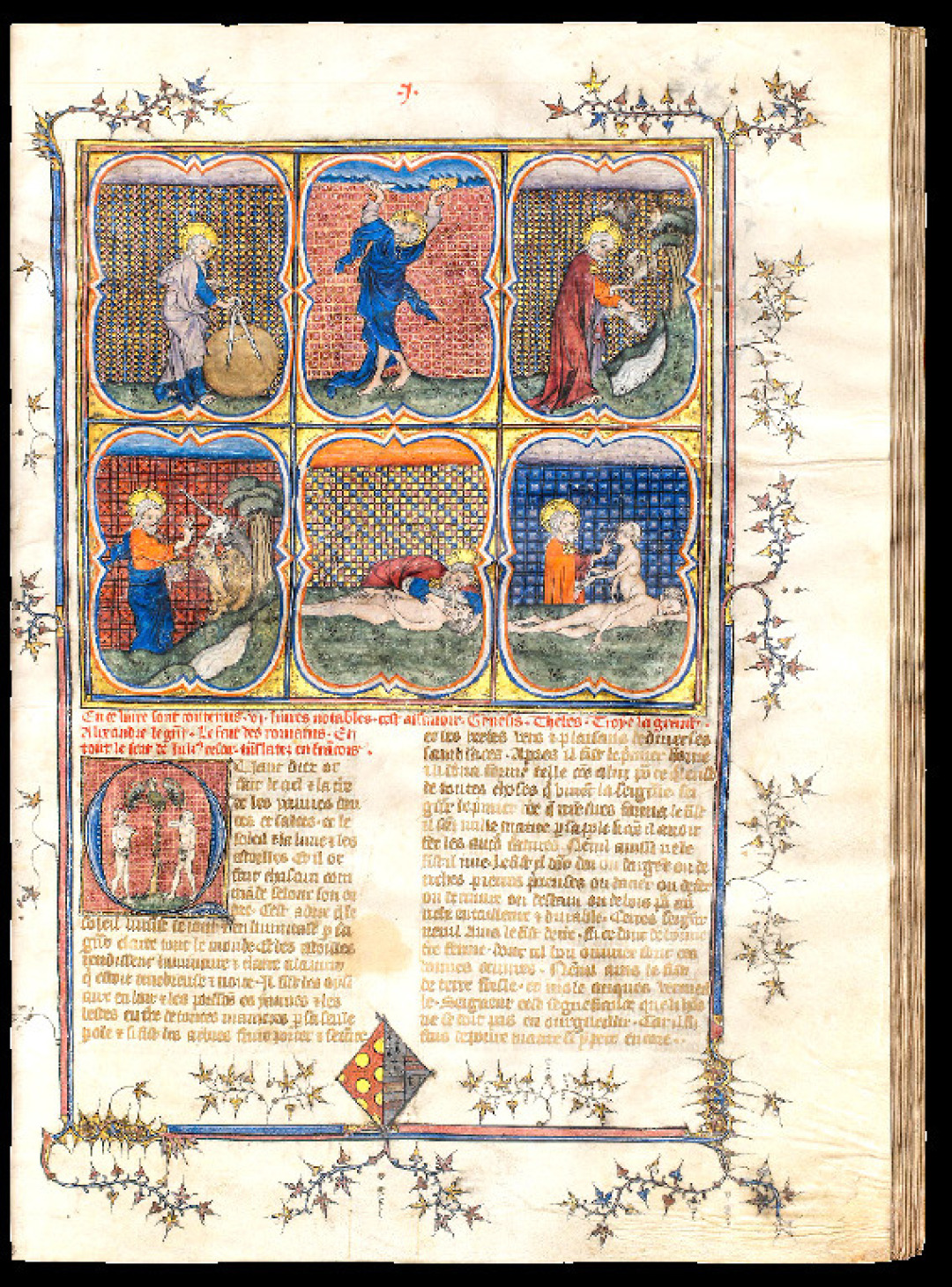
One of the current highlights is a monumental two-volume History of the World made in France for King Charles V (1338–1380). Chronicles like these were often read aloud in royal courts as a means to educate the nobles. These tomes unite two texts on ancient historical events since the creation of the world until the birth of Julius Caesar, including the story of his life.
Histoire ancienne jusqu’à César and Faits des Romains. Manuscript in French on vellum, copied by royal scribe Raoulet d’Orléan, illuminated by the Master of the Coronation of Charles VI and a collaborator from his royal atelier. France, Paris, c. 1370–1380. Dimensions: 400 × 285 mm. Price on request.
How to live a good life in the late Middle Ages
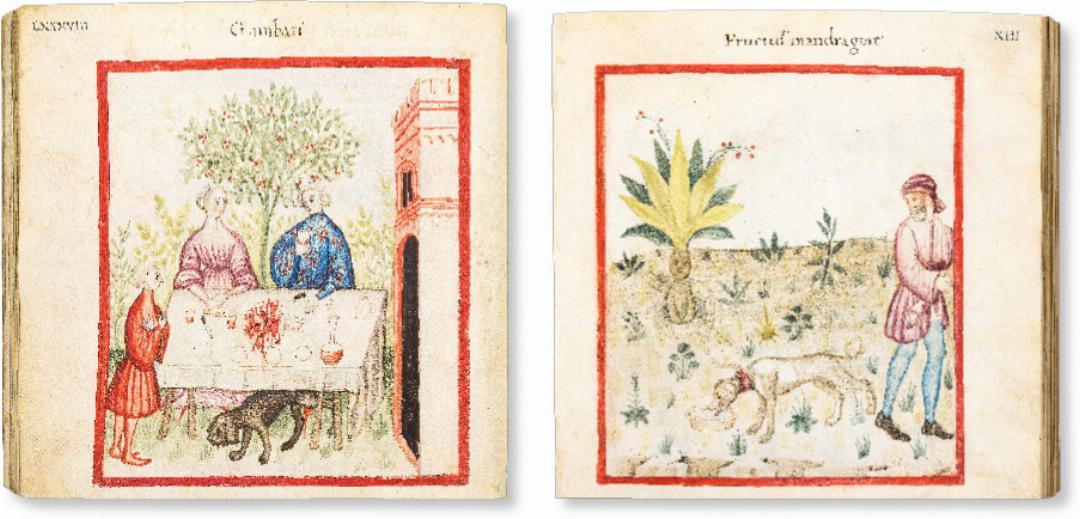
Like a window to everyday life in 15th-century Padua, this extraordinary manuscript features 130 miniatures of men and women from different social classes eating, drinking wine, harvesting plants and going about their day. Originally a medical handbook, or a guide to wellbeing, the Tacuinum Sanitatis was a popular text copied and widely read throughout medieval Europe. It was originally written in Arabic in the 11th century by Ibn Butlān and was one of the most important guides for wellbeing, health and humoral balance in the pre-modern era.
A unique masterpiece for a high-ranking owner
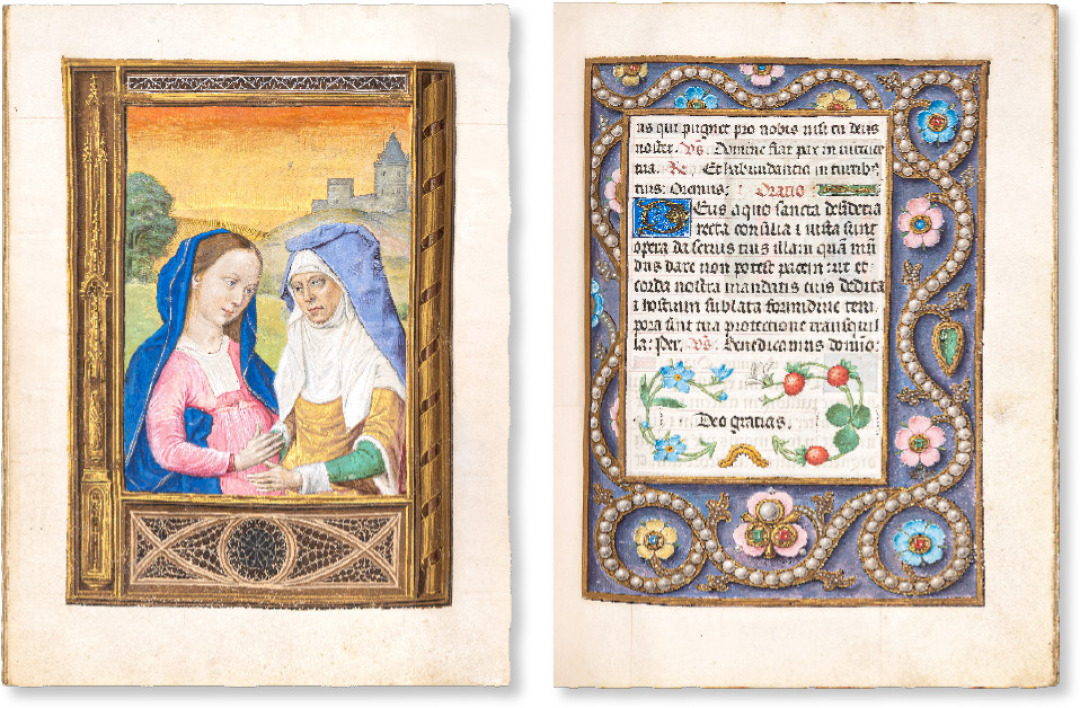
This outstanding private prayerbook stems from 16th-century Flanders: the precious Croÿ-Arenberg Hours – a luxury commission created to suit the demands of a high-ranking member of the English royal court. This book of hours, intended for the private devotion of its educated and discerning patron, stands out by the wealth and quality of its vivid illustrations, making it one of the finest Flemish artworks of its time.
Come and see these highlights at MAZE Art Gstaad: our team of scholars will be pleased to introduce you to the world of manuscript illumination.
Visit our stand at MAZE Art Gstaad 2026 (February 19–22)!
www.guenther-rarebooks.com|@jgrarebooks