

Summer success brings a new challenge
28.09.2026 Local News, Bergbahn Destination Gstaad, Gstaad Saanenland Tourism, Glacier 3000, Hôtellerie, Hublot Polo Gold Cup Gstaad , Swatch Beach Volleyball, Swiss Open Gstaad - ATP Tennis, OUTDOOR - HIKING - BIKING, MOB, Gallery & Exhibitions, Gastronomy, Sports & Leisure
Gstaad has closed another strong summer season, with hotels, mountain railways and major events reporting healthy visitor numbers. But ...
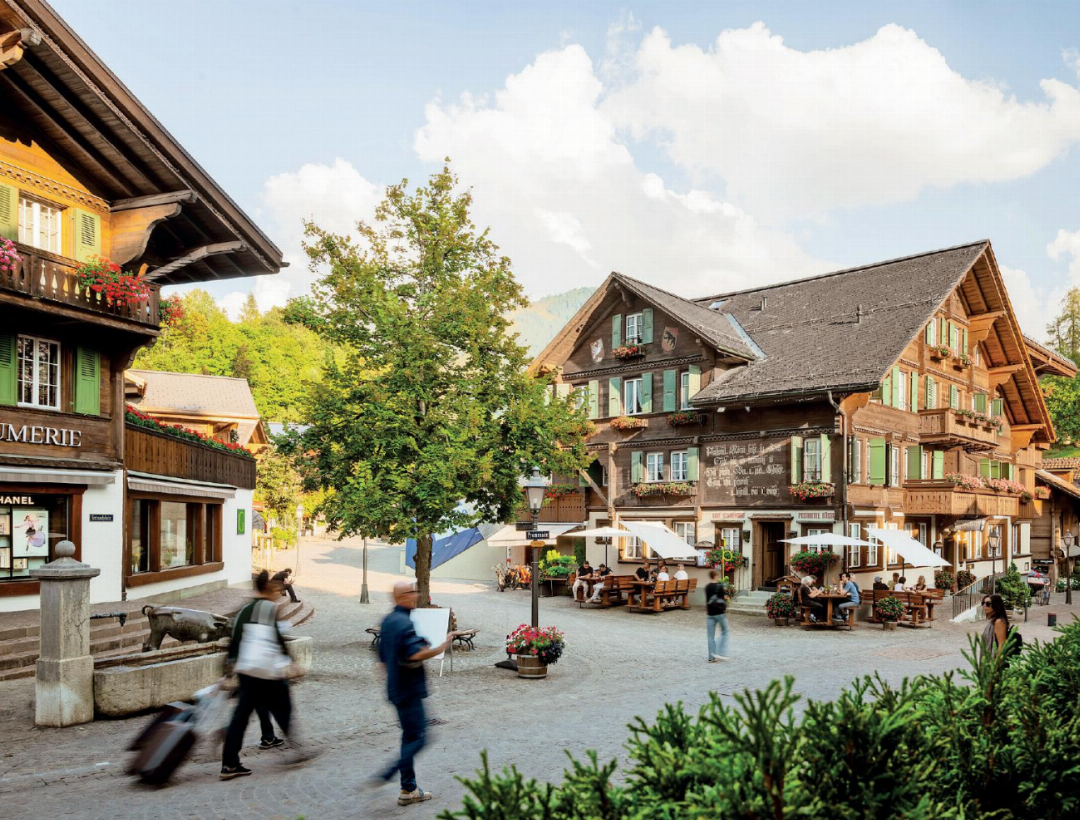
Gstaad has closed another strong summer season, with hotels, mountain railways and major events reporting healthy visitor numbers. But success brings its own challenges. With more day visitors, chalet guests and increasingly busy peak periods, the question is shifting from how to attract more people to how to manage them.
The Gstaad holiday region has recorded another strong mountain summer in 2026. Hotel overnight stays remained high, while many tourism businesses reported noticeably higher visitor numbers. Swiss guests accounted for around 70 per cent of hotel nights.
Interestingly, hotel statistics tell only part of the story. While overnight stays have stabilised at a high level, many local businesses perceived the region as busier than last year – suggesting a growing contribution from day visitors as well as guests staying in chalets and holiday apartments.
Hot summers in European cities, rising temperatures around the Mediterranean and growing demand for summer camps are also strengthening the appeal of Alpine destinations. At the same time, Gstaad's broad mix of Swiss, European, and North American visitors helped offset weaker demand from some Asian markets.
“We are looking back on a strong mountain summer. At the same time, it is important to us that development is managed with a sense of proportion and that we keep the needs of both local residents and our guests in mind,” said Gstaad Saanenland Tourism spokesperson Ariane Ludwig.
During the peak months of July and August, she added, the priority is no longer growth for growth's sake, but maintaining quality and protecting the region as a place to live.
Sport and culture draw the crowds
The region's major summer events once again played an important role. Swatch Beach Pro Gstaad filled 77 per cent of its Center Court capacity across the five tournament days, while the EFG Swiss Open Gstaad increased ticket sales by 15 per cent compared with last year and recorded four sold-out tournament days. International television coverage reached around six million viewers, while 90 per cent of in-person spectators came from Switzerland.
The Menuhin Festival Gstaad, in its first season under artistic director Daniel Hope, welcomed almost 27,000 visitors across 52 festival days and more than 100 concerts and events.
The mountain railways also reported a largely stable to positive summer. Bergbahnen Destination Gstaad maintained first-entry numbers at last year's level between May and August, with July providing a particularly strong boost following a weather-affected start to the season.
Glacier 3000, however, recorded 12 per cent fewer visitors than last summer. The company nevertheless described the season as solid, supported by demand from Switzerland and North America.
Popularity is becoming a planning issue
The strong summer also brought some familiar pressure points into sharper focus: traffic peaks, particularly busy locations and days, and growing expectations of infrastructure and service.
Gstaad Saanenland Tourism director Flurin Riedi believes the next phase will therefore be less about increasing visitor numbers and more about managing when and where people come.
“The strong summer confirms the attractiveness of our region. At the same time, we need to develop traffic planning and visitor management so that we can distribute peak periods better and maintain the high quality of the experience and quality of life for guests and locals,” he said.
The tourism strategy consequently puts greater emphasis on increasing value rather than simply increasing volume, spreading demand more evenly geographically and throughout the season, and strengthening the quieter periods around the traditional peaks. April and November, however, are deliberately intended to remain quieter months.
A summer season that is changing
Comments from across the region underline just how broadly the shift is being felt. The Zweisimmen swimming pool reported a record season, with increasing numbers of visitors from neighbouring regions. The Grubenberghütte was practically fully booked at weekends and is seeing the hiking season extend further into spring and autumn.
At the Gstaad Palace, owner and general manager Andrea Scherz described summer 2026 as a record season for the hotel – while noting that an unusually high number of guests had commented on how busy the destination felt.
Retailers saw a more mixed picture. Schuhhaus Romang reported solid business but turnover slightly below last year, while Drogerie von Grünigen recorded significantly higher footfall in June and July and particularly strong numbers of families. Looking towards winter, however, the business singled out Gstaad's traffic situation as an issue requiring swift solutions.
Agriculture faced a different challenge. Dry conditions reduced animal feed and tightened water reserves, adding to concerns about how increasingly extreme weather will affect the region in future.
The overall picture is therefore one of a summer destination continuing to grow in importance – but also entering a more mature phase. The question is increasingly not whether people want to spend their summers in the Saanenland. Clearly, they do.
The challenge now is ensuring its popularity doesn't come at the expense of the very qualities that brought them here.
Based on AvS | JOP, JSC | edited by jw