

Rethinking time with Marc P. Bernegger
23.01.2026 Profile, Longevity, Lifestyle, Profile, Editors Picks, Inspiration, Innovation, Business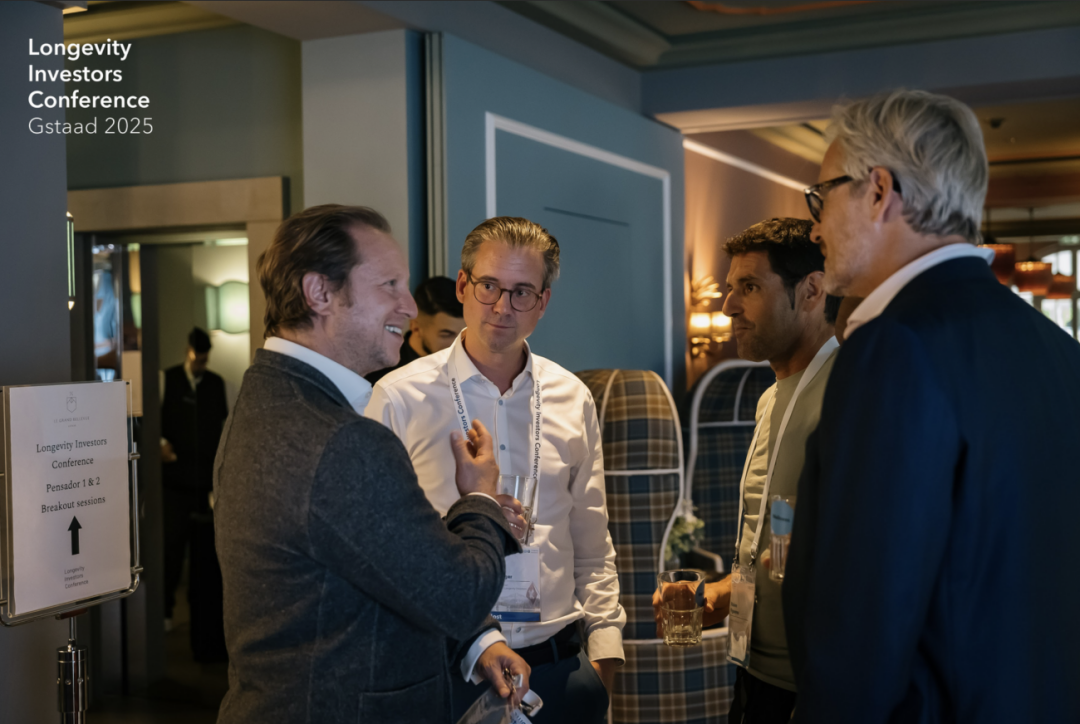
Why Switzerland’s most influential longevity voice returns to Gstaad each autumn?
As the world looks for ways to live not just longer but better, tech entrepreneur and investor Marc P. Bernegger ...
Why Switzerland’s most influential longevity voice returns to Gstaad each autumn?
As the world looks for ways to live not just longer but better, tech entrepreneur and investor Marc P. Bernegger emerges as a calm, analytical voice in a field racing ahead. With the next Longevity Investors Conference on the horizon, he reflects on science, purpose, and the mindset required to extend not only lifespan but life quality.
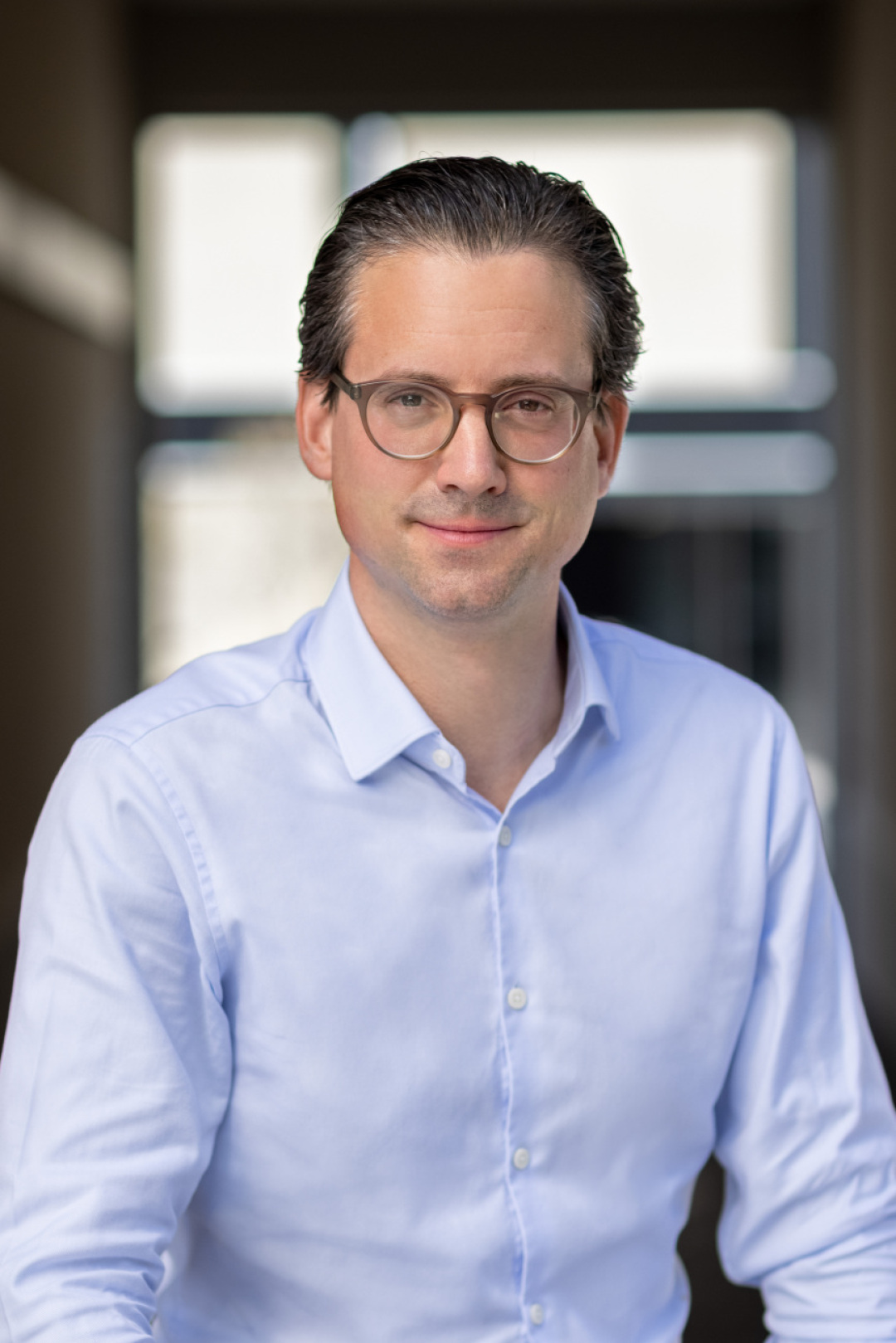
MARC P. BERNEGGER
is a Swiss tech entrepreneur and investor with more than two decades of experience across digital innovation, fintech, and health-related ventures. As founder of Maximon and Longevity Investors, his work focuses on long-term technological and societal shifts, with a particular emphasis on evidence-based longevity, preventive healthcare, and the economic implications of extended healthspan.
When we meet, it is still early in the season. The mountains around Gstaad hold that precise shade of white where winter seems freshly sketched rather than painted in. The Promenade, always unhurried, moves at a softer rhythm. It is a place that suggests, without ever stating it, that time is not a resource to bargain with, only one to use well.
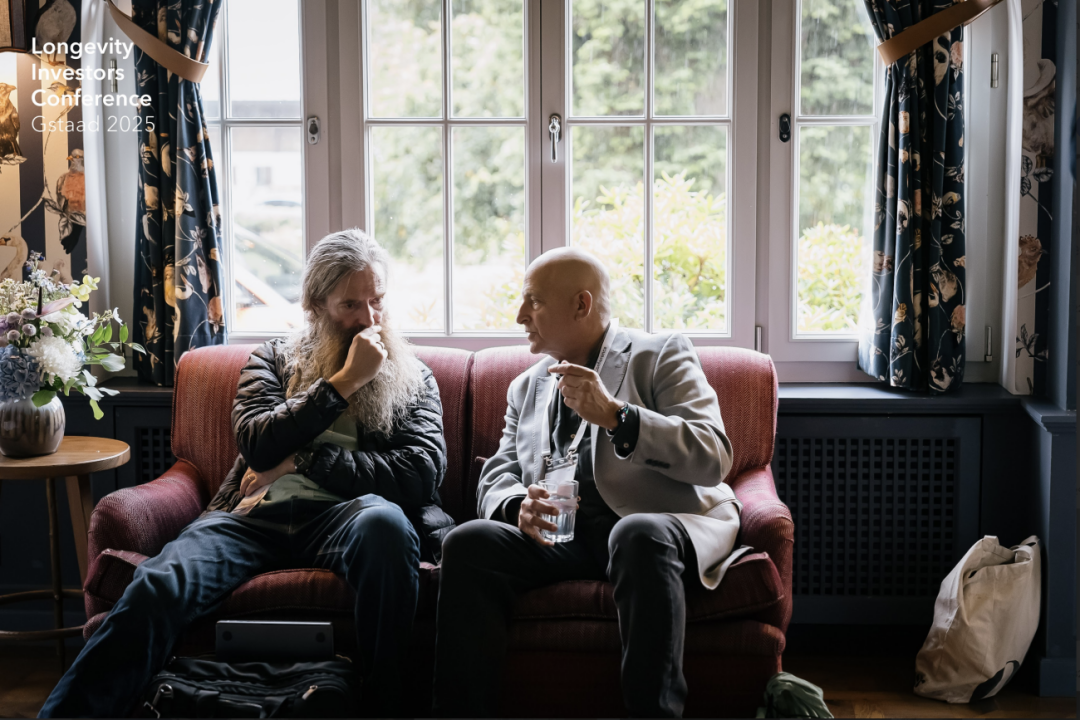
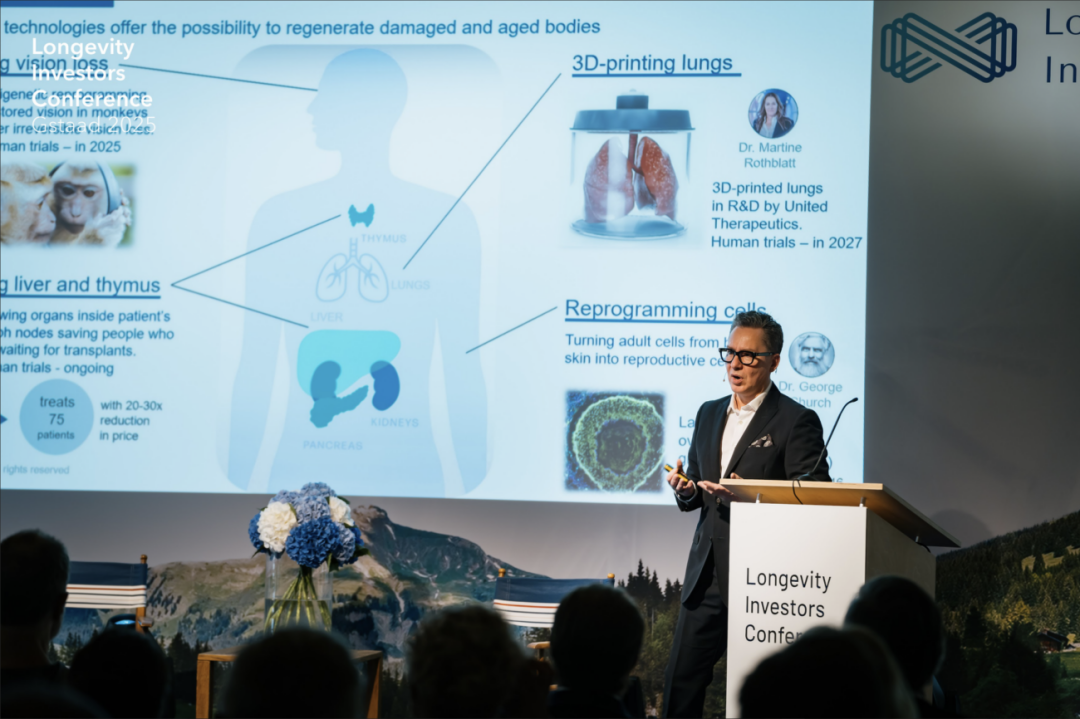
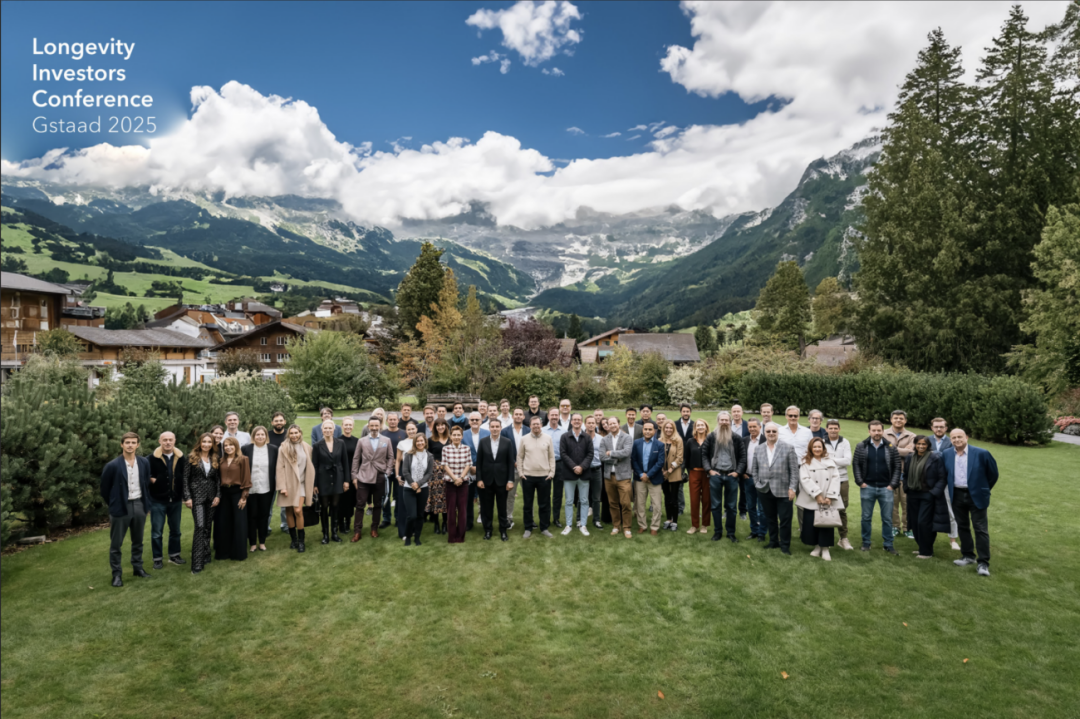
Into this landscape steps Marc P. Bernegger, a familiar figure in Swiss entrepreneurship for over two decades, yet increasingly recognised for a different frontier: longevity. His annual Longevity Investors Conference (LIC) in Gstaad has become a significant gathering for scientists, investors, physicians, and thinkers shaping what may become the next major shift in global health, from reactive medicine to proactive healthcare.
Longevity is experiencing a cultural shift. Not only because people are living longer worldwide, but because the field itself is advancing faster than regulation, public understanding, or even scientific consensus can keep pace. While headlines often focus on miracle molecules or billionaire biohacking, Bernegger’s approach stands apart for its pragmatic Swiss sensibility: longevity as disciplined science, responsible philosophy, and a pursuit of quality rather than noise.
Here in Gstaad, where his conference gathers each autumn, that perspective finds an unlikely but natural home.
A career built around the future
Most Swiss readers will know Bernegger as part of the first wave of digital entrepreneurship in the early 2000s, selling his first company in his 20s, co-founding a second at 31, entering fintech long before it became a category, and later supporting early crypto pioneers.
But the arc of his career reveals a deeper pattern. Again and again,
Bernegger moves toward fields he believes will define the next era.
Where others saw speculative hype, he looked for structural shifts: new frontiers of access, technologies operating ahead of regulation, and systems capable of reshaping how value is created and distributed. Longevity, for him, represents another such inflexion point, and perhaps the most profound one yet.
If fintech changed how we store and move value, longevity changes how we understand the value of time itself. It touches everything: health systems, labour markets, family structures, investment logic, and even the concept of what a “life stage” means.
Why longevity – and why now?
Many approach longevity through fear of ageing. I believe Bernegger arrives through curiosity.
Several years ago, he began speaking with leading researchers in epigenetics, geroscience and preventive medicine. What he heard reflected a growing scientific consensus: only a small percentage of ageing outcomes are genetically predetermined. The majority depend on epigenetic factors; lifestyle, environment, stress, nutrition, social connection, exposure, and even geography.
As Dr Heike Bischoff-Ferrari of the Swiss Healthy Longevity Campus in Basel described it in the NZZ in September 2025, it is “the difference between the plane and the pilot”. Genetics is the construct; epigenetics is how we fly it.
The implications are far-reaching. For individuals, it suggests that healthy ageing is far more within reach than once assumed. For society, it raises complex questions about access, equity, regulation, and responsibility – particularly in a marketplace already populated by expensive treatments, ambiguous promises, and, as some researchers describe, a “Wild West” of unproven interventions.
Bernegger sits precisely at this intersection: optimistic about scientific progress, yet insistent on rigour, transparency, and long-term evidence.
The human side of longevity
Longevity is often reduced to biohacking, quantified inputs in search of optimised output. But what emerges in conversation with Bernegger is something broader: a philosophy of stewardship.
He describes longevity not as a race for extra years, but as a framework for living those years well: clarity of mind, resilience, metabolic stability, curiosity, joy, and purpose. Balance, a surprisingly unentrepreneurial word, comes up often. Longevity, in his view, is neither ascetic nor indulgent; it is consistent.
Daily rituals matter. Technology remains a tool, not an identity. And time, rather than being treated as scarcity, becomes capacity.
Switzerland as a longevity epicentre
Longevity is a global field, yet Switzerland occupies a distinct position within it. The reasons align closely with Swiss cultural DNA: scientific excellence, regulatory credibility, a long-term investment mindset, and close collaboration between biotech, finance, and public health – underpinned by a societal preference for quality over speed.
The emerging Healthy Longevity Campus in Basel reflects this positioning: not the loudest voice in longevity, but one of the most credible.
Bernegger’s work aligns closely with this approach. His conference in Gstaad brings together scientists, institutional investors, clinicians, and policymakers – deliberately avoiding spectacle in favour of substance. No marketing gloss, no exaggerated claims. Just rigorous exchange.
The Gstaad connection
At first glance, Gstaad may seem an unlikely stage for frontier science. Step back, however, and the fit becomes clear.
Longevity is ultimately about the quality of one’s lived environment: clean air, low stress, natural movement, meaningful relationships, safety, rhythm, time outdoors, and cultural continuity. The Saanenland offers a lived model of this that no wellness report can replicate.
When the Longevity Investors Conference convenes here each year, the symbolism is striking: cutting-edge science gathered in a place defined not by novelty, but by endurance.
Bernegger’s relationship with Gstaad is not residential, but conceptual. The village reflects the values he champions: continuity, discretion, and stability. Qualities essential not only for personal longevity, but for credible scientific progress.
From context to conversation
Longevity may be having its moment, but it is also entering its most contested phase, where science, capital, regulation, and public trust intersect. Bernegger operates precisely at that intersection.
In the conversation that follows, he addresses the central questions shaping the field today: credibility versus hype, access versus inequality, innovation versus regulation – and why longevity, in his view, is ultimately about redesigning how societies think about time.
You often speak about the need for scientific rigour in longevity. Yet you are also building companies in one of the least regulated, fastest-moving health markets in the world. What protects your ventures from the “Wild West” criticisms that apply to so many others?
Our longevity clinic in Zurich, Ayun, is already fully regulated by the Swiss health authorities and has medical doctors on site. We now, after a year, even have the first health insurance companies in Switzerland paying for part of the offering. So literally it’s validated by them as well. That’s why, coming back to your question, we really do and must focus on things that are scientifically and regulatory backed. For example, with Avea, another company of ours, we have a patent on one of its products and a recent study that also shows the effect of the supplements. That means it’s not just overpromising, selling, and feeling good; it’s about measuring and following the rules, and having a stringent policy on regulation.
Is it possible to be a pioneer in a frontier industry without contributing to the frontier chaos?
I think you don’t necessarily have to be at cutting-edge frontier technology, because if you bring existing solutions, meaning products and services, to the broader public in longevity, that already has a huge impact. You can take existing frontier technology from scientists and make it more accessible to more people. That’s a bit of our approach at Maximon.
How do you convince a sceptical public that longevity ventures are not simply the next iteration of the crypto boom, high-risk, high-hype, and complex for non-experts to evaluate?
I think the big difference to crypto is that longevity is ultimately based on science. You have publishing houses, papers, and research universities behind it. It’s always the science that validates the products and services.
That’s a fundamental difference from crypto, especially when you have tokens. Unfortunately, many companies don’t focus on tech and instead focus on marketing and promoting their token. Longevity is still in its early days because you can’t just buy a token and become insanely rich; you really have to do the hard work.
Longevity is accused of being “for the rich,” and right now that criticism isn’t entirely wrong. Does the current cost structure inevitably widen inequality, or will we see the classic innovation arc?
You’re not completely wrong. On the other hand, I think all new technologies, from the car to the personal computer to flying by plane, were, at first, always only accessible to the rich. Then, by attracting more users and reducing costs, they became available to the masses.
That’s true of longevity, too. If you have unlimited time and money, you can go to some clinics in South America, for example and undergo experimental stem-cell therapies that work and are scientifically proven, but are not yet accessible to the general public. Going forward, this will change. Many things that everybody does today, from smart watches to blood tests, were not available just a few years ago. We already see the democratisation of access to health data and longevity-related insights.
You invest at the very top of the market. How far are we from longevity becoming accessible to the average 60-year-old Swiss citizen?
With Maximon, we’re not doing the cutting-edge futuristic biotech stuff. We focus on simple things. AVEA supplements are available to everyone and within a normal spending range.
With the Ayun clinic, it’s similar. We now have the first health insurance companies covering part of the treatments. We often install payment plans if necessary. Naturally, it’s premium pricing, but it’s not like these ultra-high-net-worth clinics where you pay a high five- or six-digit sum per week. I would say that, with all the activities we are democratising access to longevity, people at 60 or even younger can now take advantage of these developments.
When longevity products reach the mass market, what will they be?
I think it will be a mix of all these elements. In the long run, everybody is waiting for the longevity drug, the secret molecule that magically reverses ageing, which might never happen.
But on the other side, lifestyle changes, better insights and trackability of health data, specialised clinic offerings, endorsements from health insurance companies, society, and government – it’s a combination. And we’re already in this process. Especially the younger generation is far more health-conscious and focused on optimising health span.
If healthy lifespan extends by 10–20 years, the economic impact will be enormous; pensions, healthcare systems, labour markets, housing, and intergenerational equity. From an investor’s perspective, can society afford people living much longer?
I think it’s the opposite: extending healthy lifespan is one of the most significant economic opportunities available to societies. The assumption that an ageing population automatically leads to declining wealth rests on a flawed premise, namely that longer life means more years spent in dependency and elderly care. Longevity science is explicitly about avoiding that outcome.
If people remain healthy, productive, and mentally engaged for longer, they continue to contribute to society, economically and socially. When you look at human history, we have already doubled life expectancy over the past 120 years, a period that coincided with an unprecedented increase in global wealth, productivity, and development. Longer lives did not weaken economies; they strengthened them.
The real challenge lies in the structure of our systems. Many pension and labour models are still built around the idea of a short retirement following a fixed working life. Longevity forces us to rethink that entire trajectory. Instead of compressing work into a single phase and dependency into the last years of life, we need more flexible, adaptive models where people can contribute meaningfully for longer, often in different ways at different stages of life.
Seen through that lens, longevity is not a burden but a megatrend with enormous upside. More healthy years mean more experience, more knowledge transfer, and ultimately a more resilient society.
Do you believe governments and public systems are intellectually prepared for longevity, or is the private sector advancing so rapidly that policymakers are now several steps behind?
There are significant differences worldwide. Unfortunately, many Western countries still lag in recognising longevity as a structural opportunity rather than a fiscal threat. By contrast, regions such as Asia and the Middle East – particularly Singapore, the United Arab Emirates, and Saudi Arabia – are already taking a proactive approach.
These countries have dedicated government initiatives focused on extending health-span and reshaping healthcare systems. They recognise that shifting from a “sick-care” model to a true healthcare and preventive-care system is a game-changer. If you focus on keeping populations healthy for longer rather than treating illness late in life, the long-term economic and social benefits are substantial.
In Europe, however, there is still a widespread belief that a growing elderly population automatically leads to a smaller economic pie. This mindset makes it difficult to embrace longevity as an opportunity. Policy responses often remain incremental, such as slightly raising retirement ages, rather than addressing the more profound structural changes required.
What longevity really demands is a paradigm shift: how we think about work, education, healthcare, and ageing itself. That shift has to be understood intellectually by policymakers before it can be implemented systemically. Without that understanding, the private sector will continue to move faster than public frameworks, which ultimately creates friction rather than progress.
If Switzerland becomes a global hub for longevity, how will that reshape the country?
We are already a global hub for pharma, medtech, and health tech. On the longevity side, we can afford to invest more in preventive care and healthspan.
We have the ideal setup, the entrepreneurial mindset and the political willingness to move from sick care to preventive care. Switzerland could again be a role model, as in the early days of blockchain, showing how a small country can serve as a blueprint for others.
Is a major breakthrough inevitable?
AI is already changing the game and accelerating everything. There are several clinical studies from well-known researchers being published next year. We definitely don’t have to wait ten years for exciting breakthroughs.
WHY GSTAAD, AND WHY NOW?
Gstaad is defined by continuity, discretion, and long-term thinking, qualities that echo many longevity principles. Why was it important for you that the Longevity Investors Conference takes place here?
What does this setting allow that others do not?
Gstaad is an ideal location because it embodies a particular balance. It is luxurious, beautiful, and deeply Swiss, yet discreet, understated, and deliberately under the radar. That combination reflects what we are trying to achieve in the longevity space. At the conference, we bring some of the world’s leading scientists on stage, including figures of the highest academic standing, even former Nobel Prize winners, to speak about tangible, science-based developments in longevity. At the same time, the audience often includes highly influential and wealthy individuals who value privacy, focus, and substance over spectacle.
Gstaad provides a setting where these two worlds can meet naturally. The closed ho-tel environment, proximity to an airport, and surrounding nature create an atmosphere of trust and concentration. People feel comfortable having serious, long-term conversations here; not because it is flashy, but because it is calm, secure, and curated in the right way.
That’s why we are very proud that the conference has found its home in Gstaad. Over the past five years, we’ve seen how speakers and guests alike respond to the setting. It reinforces the idea that longevity is not about hype or excess, but about quality, depth, and endurance – values that this place represents exceptionally well.
A different way of thinking about age
As the winter evening settles across the valley, the lights on the Promenade glow with their understated steadiness, the opposite of spectacle. Bernegger speaks quietly about the future, but with conviction: longevity will not reshape human life through dramatic breakthroughs alone, but through patterns, behaviour, science, and culture working together.
And perhaps this is why Gstaad makes sense as the annual gathering place for Europe’s (and the World’s) longevity thinkers. The mountains have never been symbols of youth, only of endurance. In an era obsessed with speed, that may be the most modern idea of all.
BY JEANETTE WICHMANN
LONGEVITY INVESTORS CONFERENCE (LIC)
Founded by Marc P. Bernegger together with his longterm business partner and close friend Dr. Tobias Reichmuth, the Longevity Investors Conference (LIC) is an annual, invitation-only gathering held at Le Grand Bellevue in Gstaad. The conference brings together leading scientists, clinicians, and institutional investors to discuss the future of longevity through a strictly evidence-based lens.
Rather than focusing on hype or consumer wellness trends, LIC centres on peer-reviewed science, regulatory frameworks, and long-term capital allocation in healthspan innovation. Over the years, it has established itself as one of Europe’s most discreet and intellectually rigorous platforms for longevity dialogue.
This years conference will take place from the 14–17 September at Le Grand Bellevue. Read more here: www.longevityinvestors.ch