

Impact Circle 2026:
02.04.2026 Business, Impact Gstaad, Events, Conference, Longevity, Sustainability, Inspiration, Innovation, Throwback Saanenland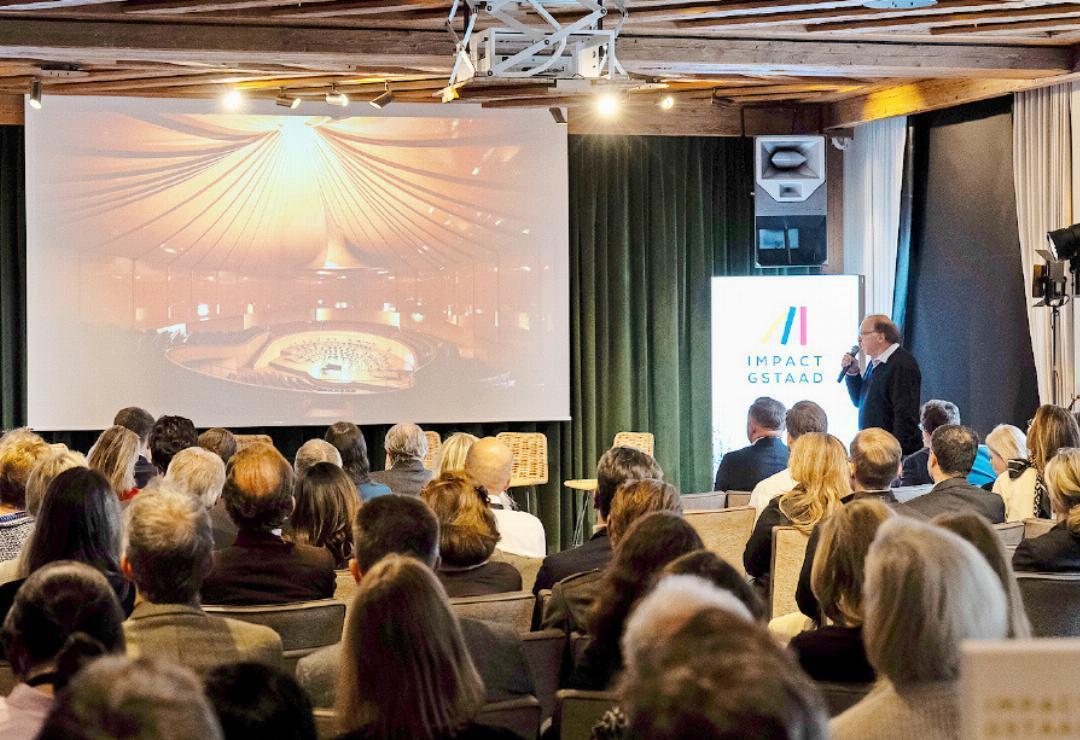
In mid-February, the The Alpina Gstaad hosted the Impact Circle Event 2026, bringing together around 150 participants from business, science and politics to discuss the future of alpine real estate — and to mark the presentation of the Green Business Award 2025.
...
In mid-February, the The Alpina Gstaad hosted the Impact Circle Event 2026, bringing together around 150 participants from business, science and politics to discuss the future of alpine real estate — and to mark the presentation of the Green Business Award 2025.
Held on 13 February, the event placed the spotlight on a topic that continues to shape conversations in the region: how alpine destinations can balance development, tourism and local needs in a more sustainable way.
Under the theme “Sustainable Alpine Real Estate Landscape: Shaping the Future of Mountain Communities,” speakers explored both the pressures and opportunities facing mountain regions. Maciej Skoczek, Senior Real Estate Economist at UBS, opened the programme with an overview of current market dynamics and their implications for alpine property markets.
Local tensions, local solutions
A central moment of the afternoon was the panel discussion “Shaping the Future of the Saanenland,” which brought together voices from municipal politics, spatial planning, tourism, finance and construction. The discussion focused on a familiar tension in the region: how to reconcile tourism-driven development with the need for affordable housing for local residents.
Rather than remaining theoretical, the panel addressed concrete approaches — from planning instruments to collaborative models — aimed at maintaining a viable balance between economic growth and local living conditions.
Projects from the region
Several initiatives from the Saanenland were presented as case studies.
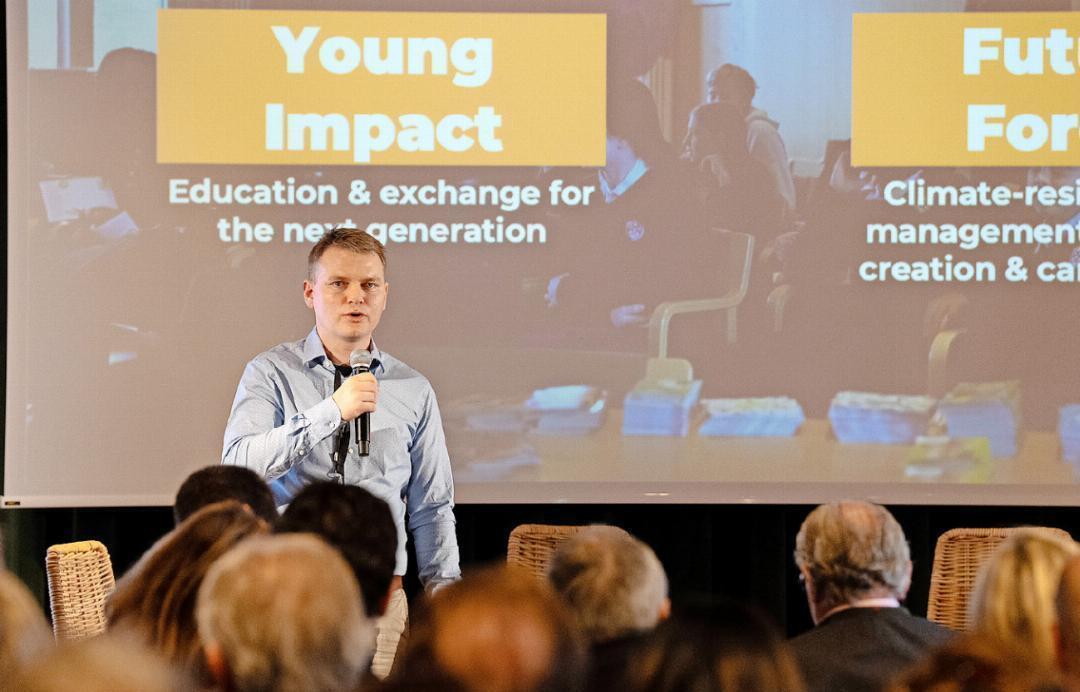
The Ebnitmatte housing cooperative demonstrated how cooperative ownership models can provide affordable housing for local workers and residents. The Gstaad Concert Hall project highlighted the role of cultural infrastructure within a broader sustainability framework, while the “Zukunftswald Saanenland” (Future Forrest Saanenland) initiative focused on strengthening regional timber value chains.
Together, these projects reflected a shared direction: working with local resources and long-term thinking, rather than short-term expansion.
From buildings to “material banks”
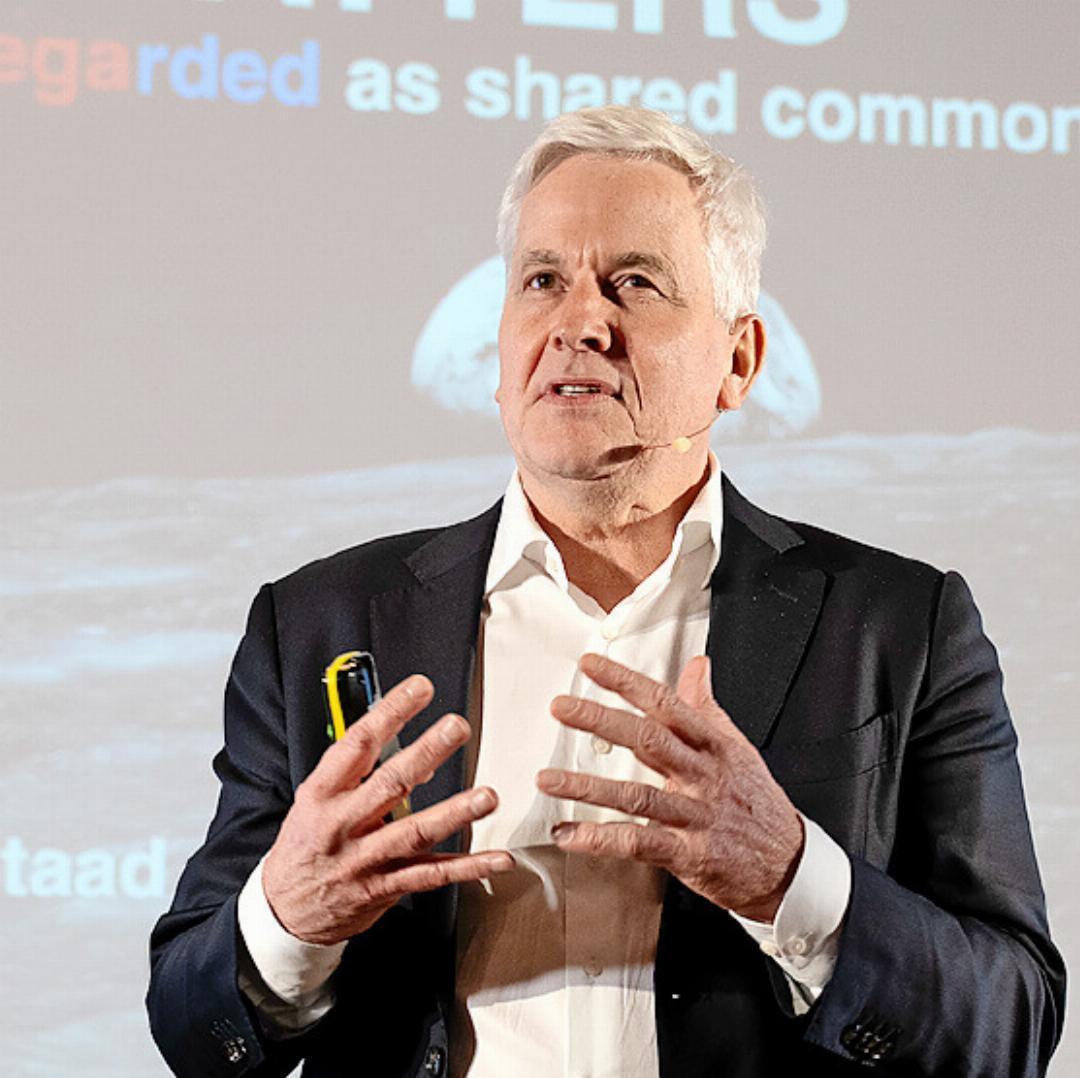
The closing keynote by Thomas Rau further shifted the perspective. Known as a pioneer of circular construction, Rau presented his vision of buildings as “material banks” — structures designed not as end products, but as repositories of reusable resources.
The concept challenges conventional approaches to construction and ownership, placing lifecycle thinking at the centre of future development.
Green Business Award 2025
A highlight of the evening was the presentation of the Green Business Award 2025, organised by Impact Gstaad.
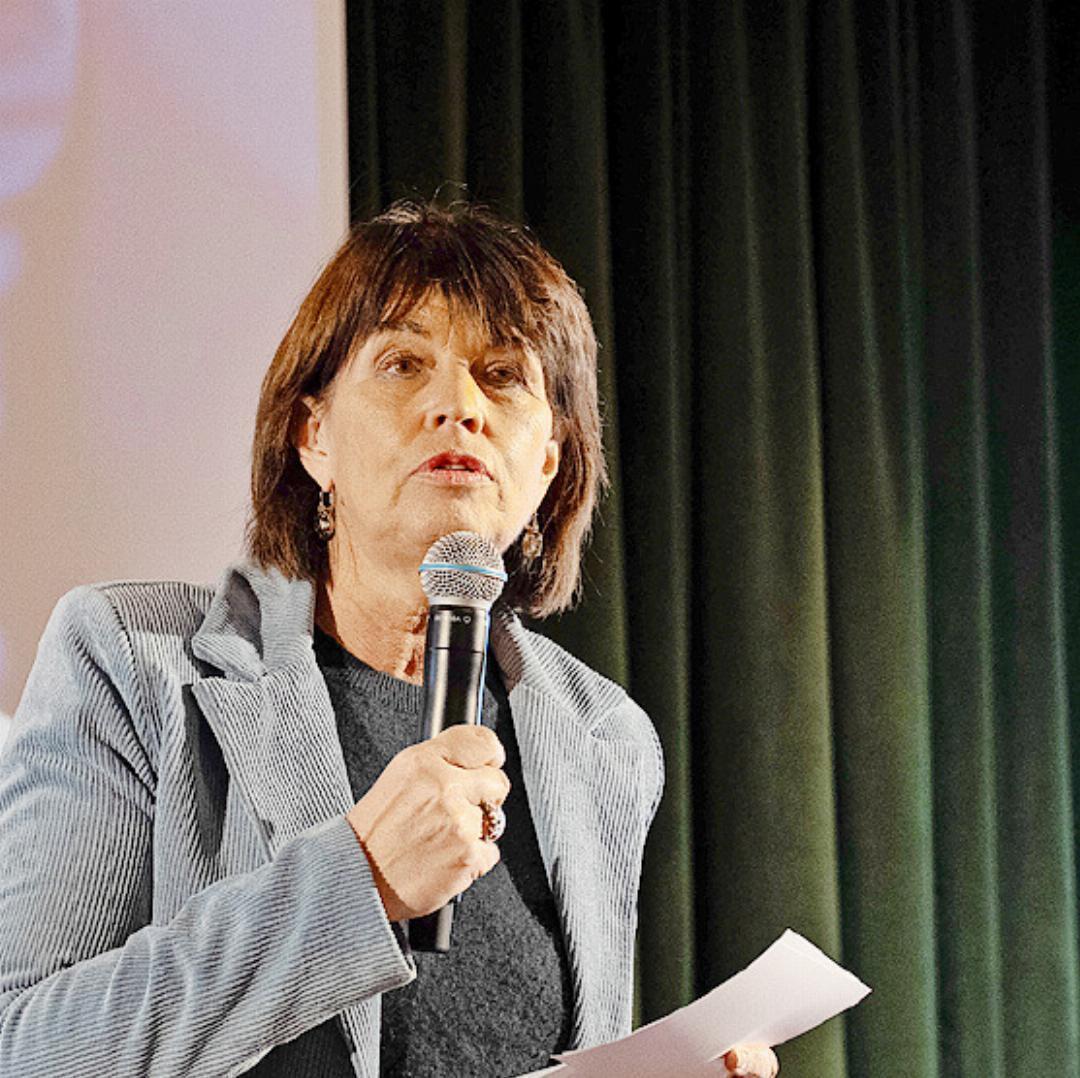
The jury, chaired by Doris Leuthard, recognised three Swiss companies combining ecological innovation with economic viability.
The award went to Oxyle for its water treatment technology, which removes pollutants from industrial wastewater without chemicals, enabling reuse. Finalists Voltiris and Everllence also presented their solutions, ranging from solar panels for greenhouse agriculture to large-scale heat pumps for emission-free district heating.
The laudation was delivered by Reto Knutti, who emphasised the importance of innovation in addressing climate challenges.
A platform with wider ambition
For organisers, the event is intended as more than a one-off gathering. “The Impact Circle shows that sustainable development in alpine regions is possible when innovation and tradition work together,” said Michel Hediger.
The ambition reaches beyond the region itself. From Gstaad, the idea is to contribute to a broader conversation — one in which mountain destinations are not only adapting to change, but actively shaping how it unfolds.
impactgstaad.ch
Based on AvS | AMO