

A COMMUNITY THAT CARES
02.03.2026 Events, Events, Sustainability, Inspiration, Editors Picks, Local News, Charity & Support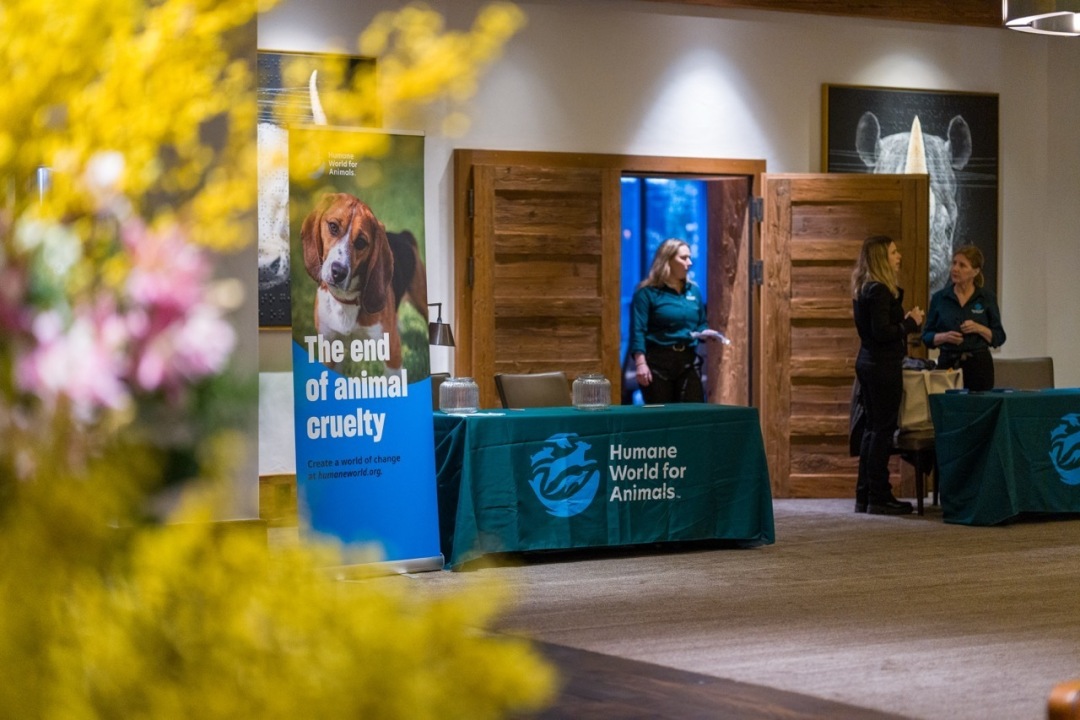
Gstaad steps up for Humane World for Animals
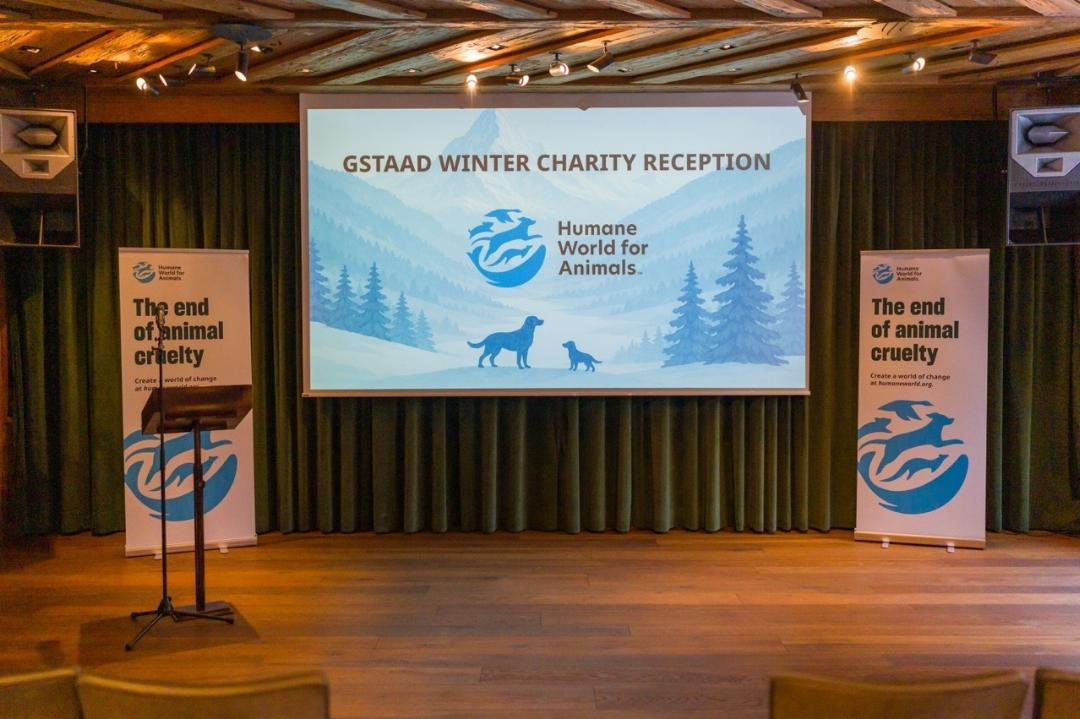
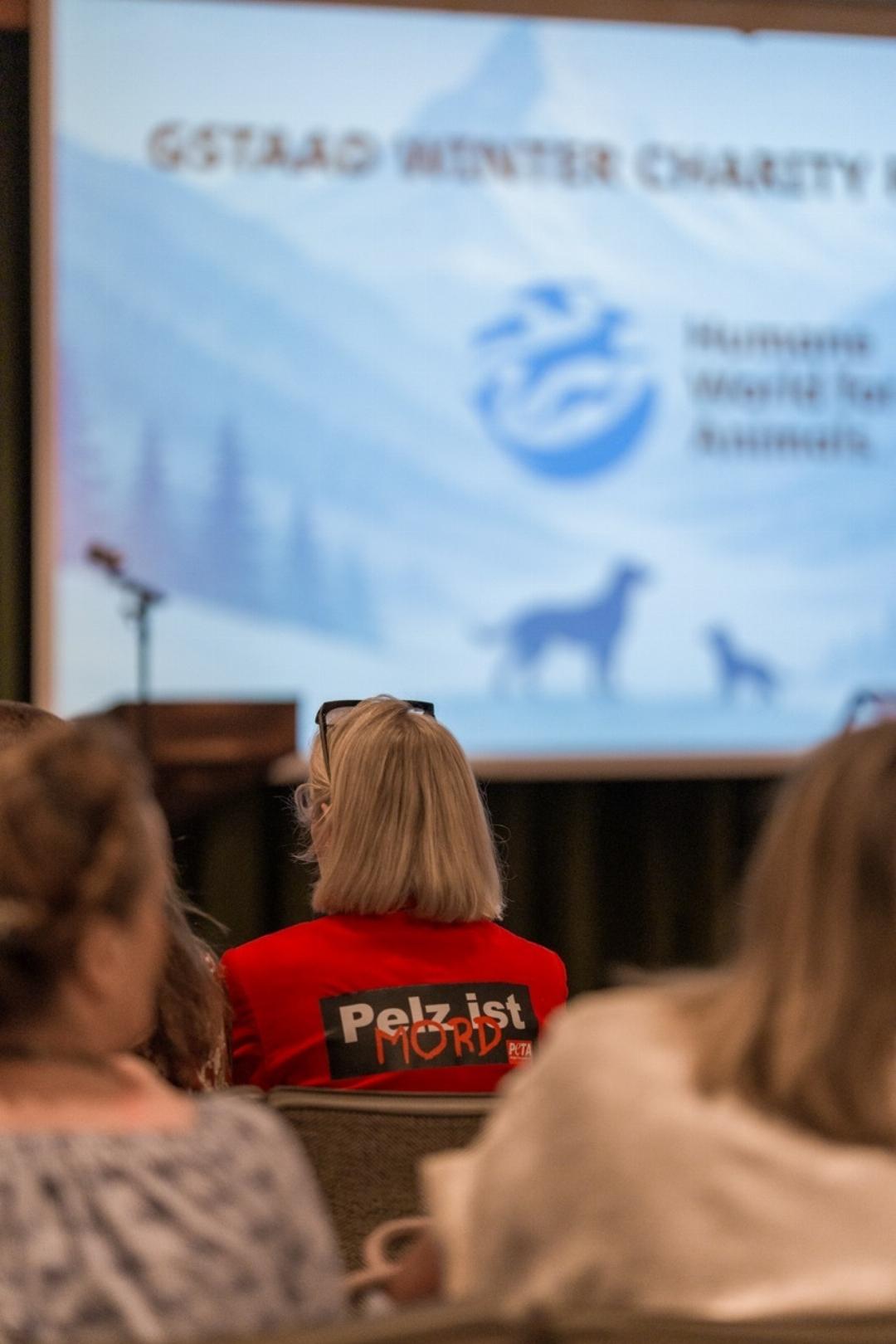
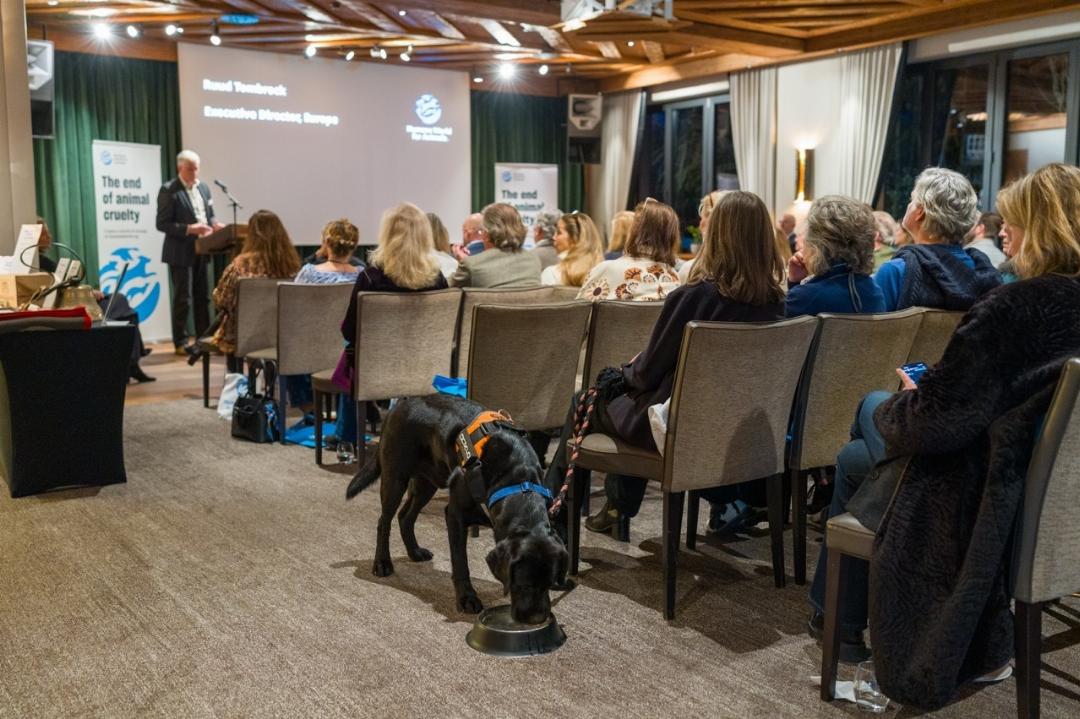
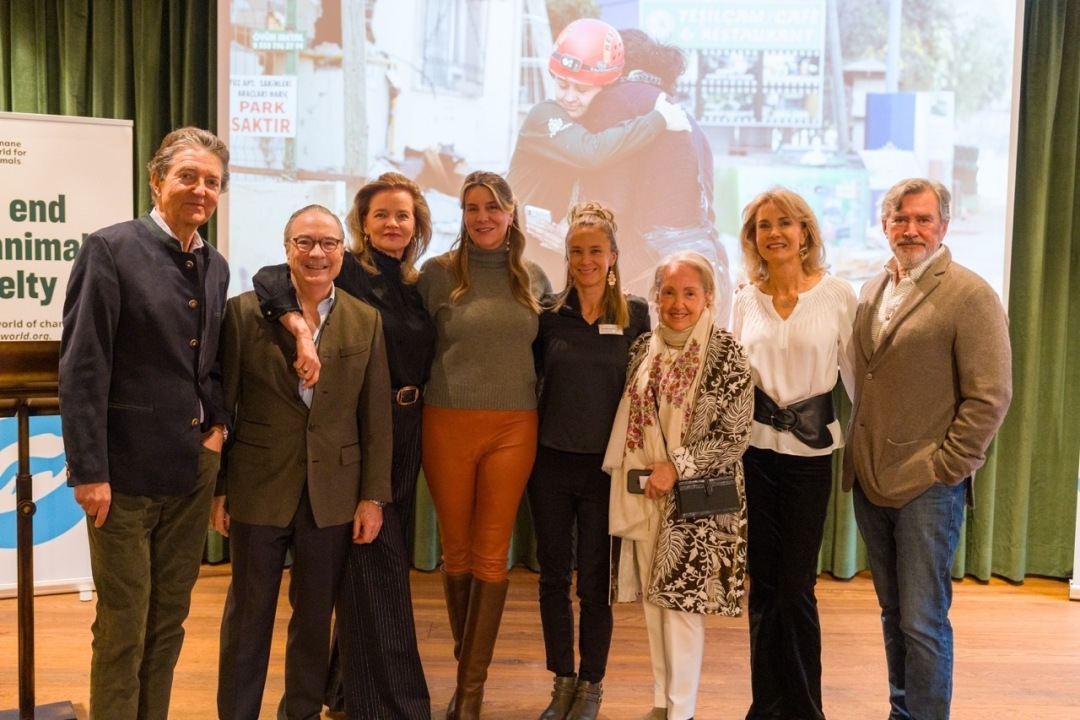
On 12 February, around 120 guests gathered at The Alpina Gstaad for an evening in support of Humane World for Animals.
It was a fundraiser, yes. But just as clearly, it was an introduction, or perhaps a re-introduction, of the organisation’s work to both the local and international community living in and around Gstaad.
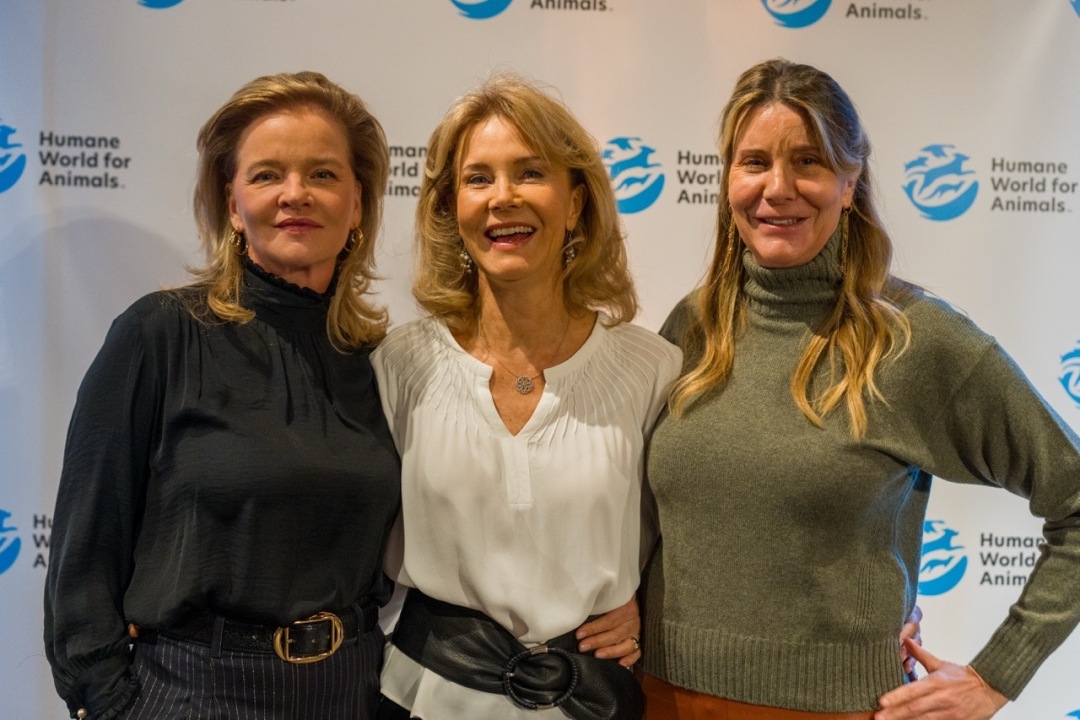
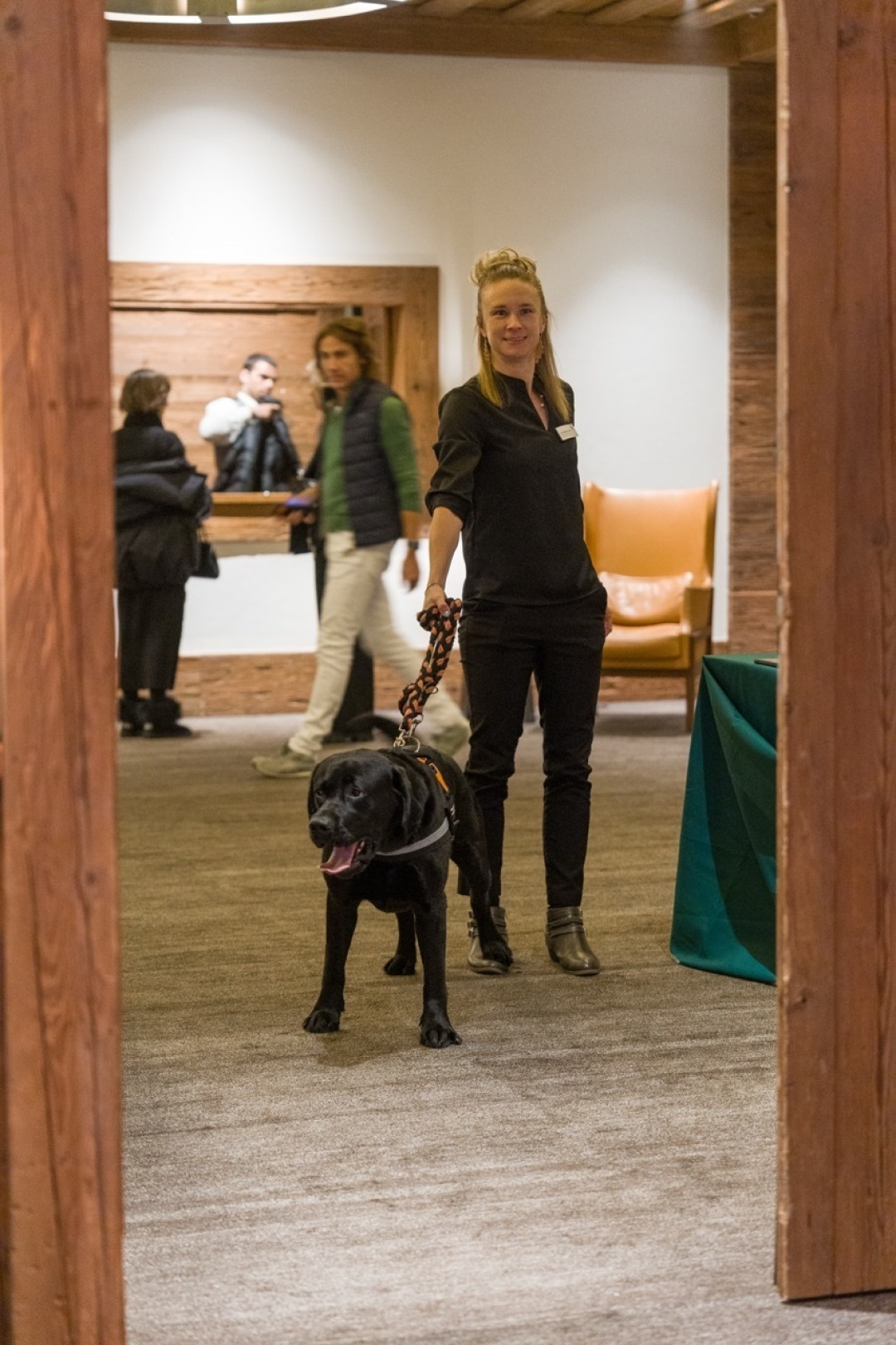
The idea came from three local chalet owners: Clarina Hocke-Notz, Vera de Lesseps and Caro von Saurma. I first heard about it while walking George, our rescue dog. On the walk, we met Vera – both of us holding dogs who did not exactly start life in alpine comfort and she told me what they were planning. When rescue dogs are part of the conversation, the subject tends to move quickly from polite to personal. And that is how I ended up at The Alpina that evening.
The setting, sponsored by our 3 hosts, including drinks and apéro, was elegant but not overwhelming. There was a sense that people were there to listen.
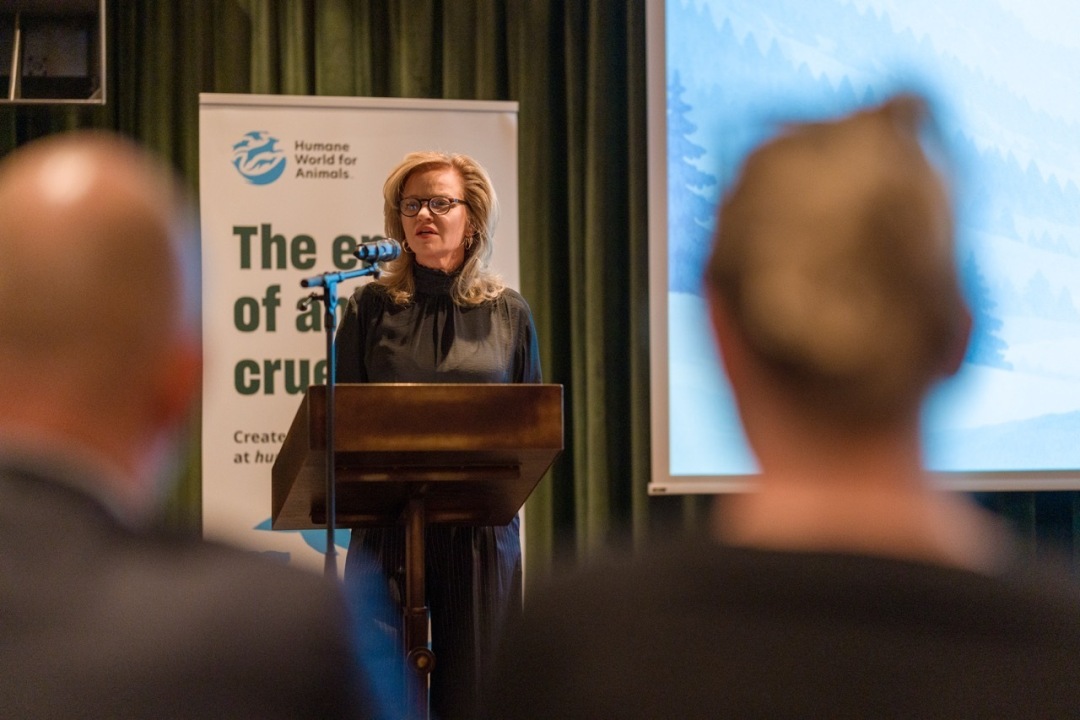
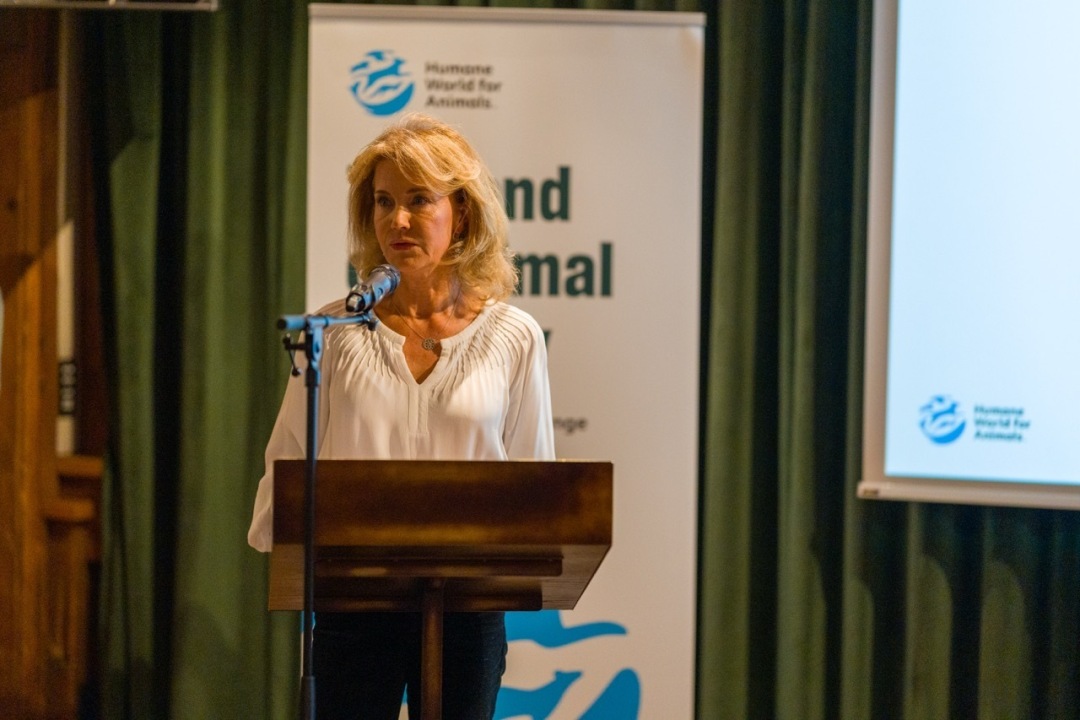
Caro von Saurma opened the evening in a tone that was direct rather than dramatic. No statistics at first. No shock value. Simply the reason they felt compelled to act.
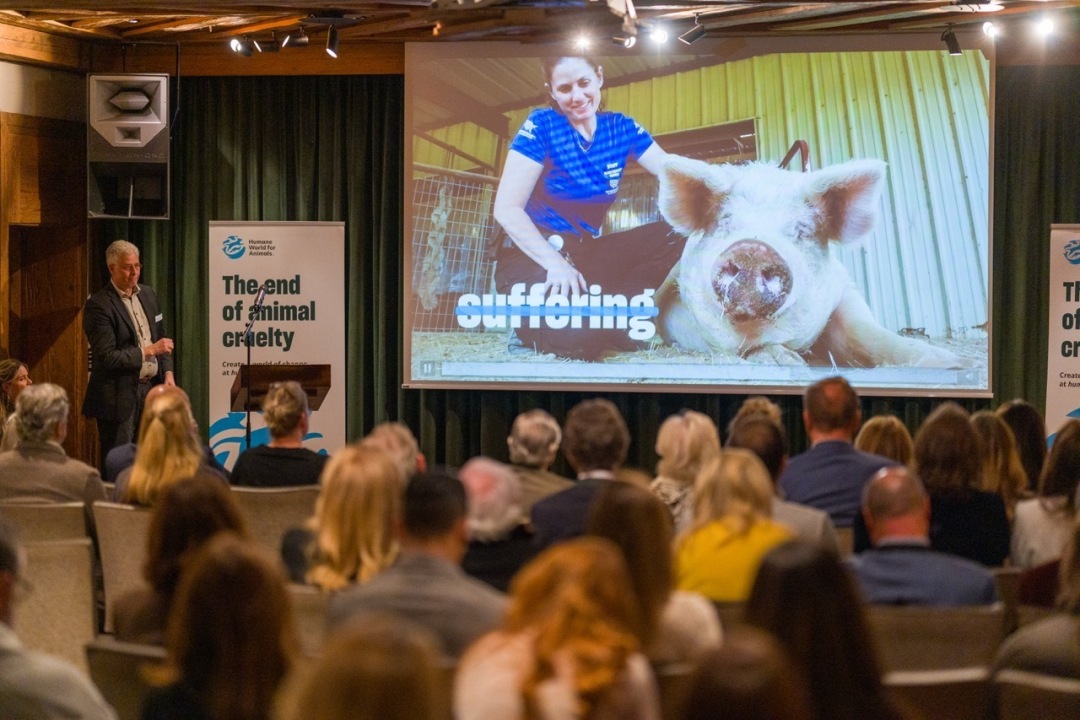
When Ruud Tombrock, Europe Executive Director of Humane World for Animals, took the floor, the focus shifted from individual stories to systems. He spoke about why so much of their effort is directed at the European institutions: because changing standards at that level does not affect just one country, but entire markets.
Switzerland, he pointed out, may not sit inside the EU, but it is closely connected through trade. When traceability rules are strengthened, when animal welfare standards are harmonised, the effects ripple outward. His point was not that progress has already been secured, but that it requires constant pressure and continued public support.
He also addressed something many in the room likely wondered about: how donations are actually used. Humane World for Animals, he stressed, is entirely donor-funded. That means prioritising carefully, measuring impact, and directing resources where they create lasting structural change, not just temporary relief. Companion animals, he made clear, are central to that strategy.
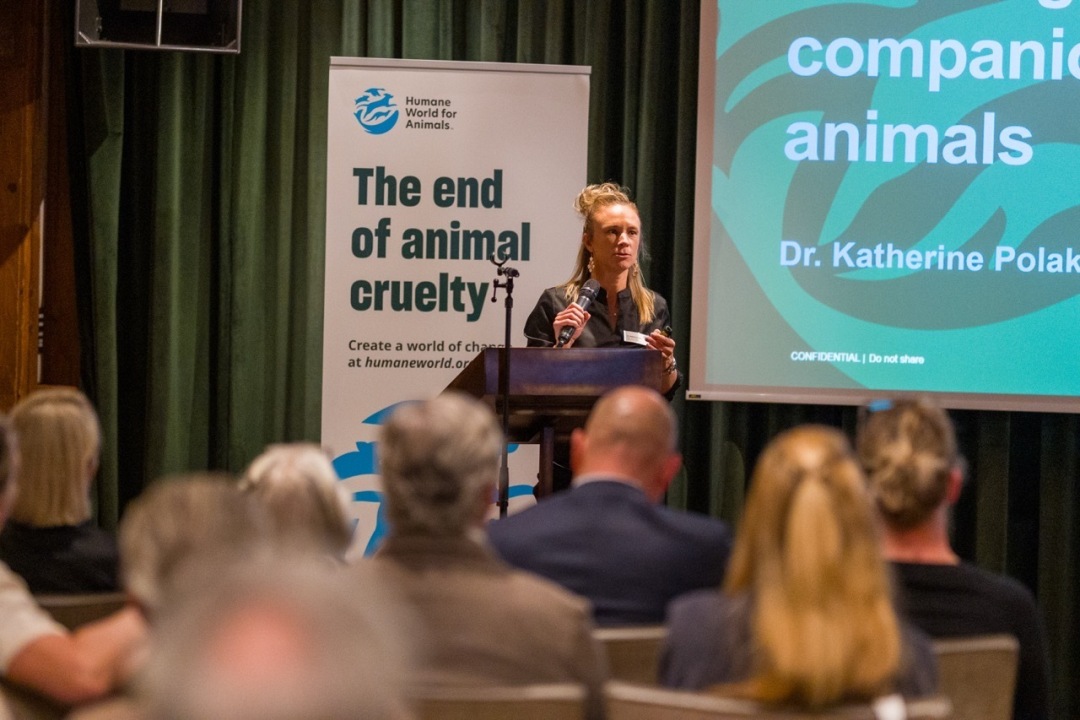
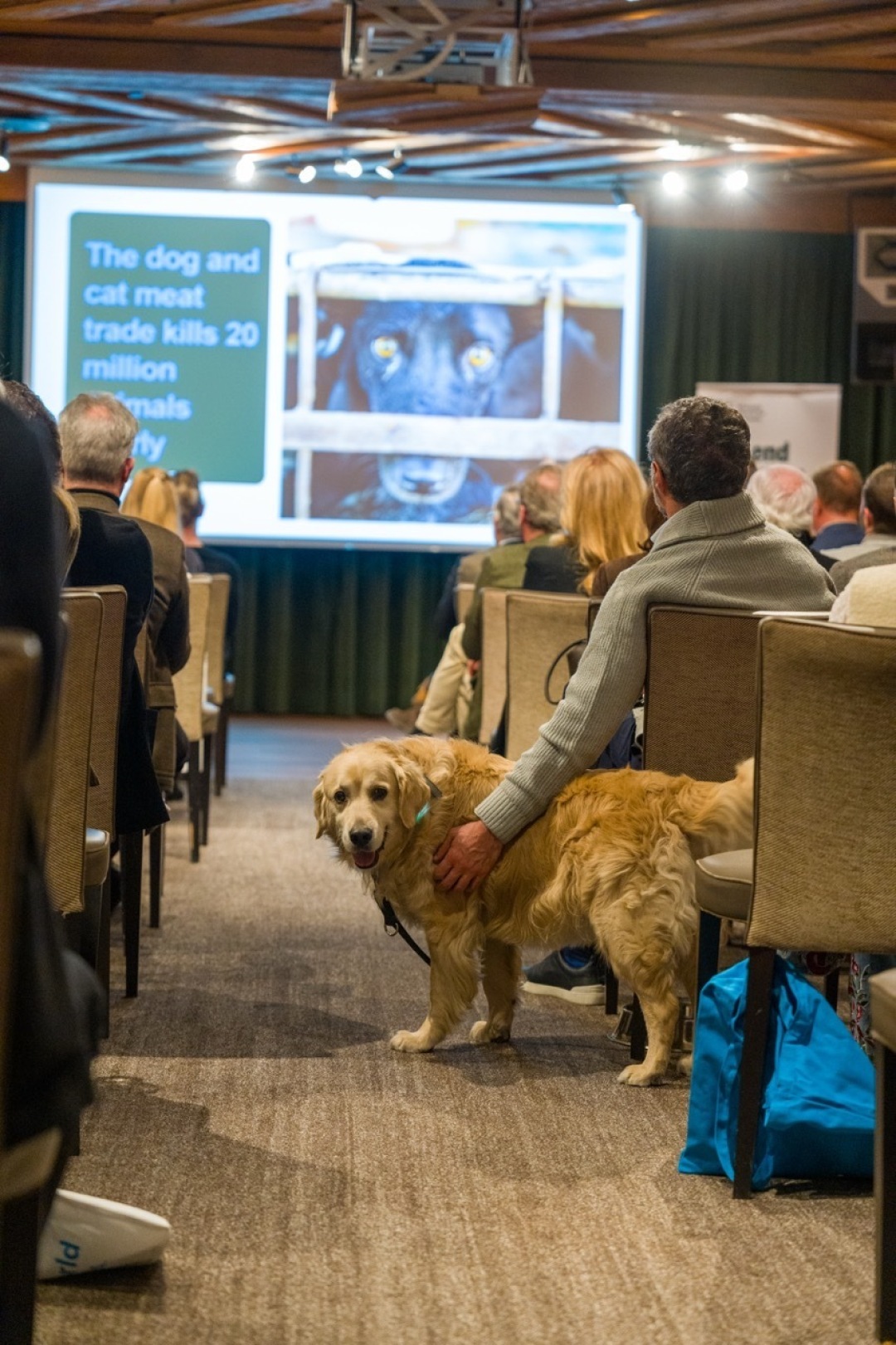
Dr Katherine Polak then brought the conversation to a different scale altogether. Her numbers were stark: up to 30 million dogs and cats killed annually in parts of Asia for the meat trade. But what struck me (after the initial shock) was not the figure itself; it was her emphasis on collaboration. She spoke about long-term work with governments, local organisations and communities. South Korea was cited as an example where sustained effort has led to tangible progress. Change, she suggested, is slow until suddenly it isn’t.
After her presentation, the room did not fall silent.
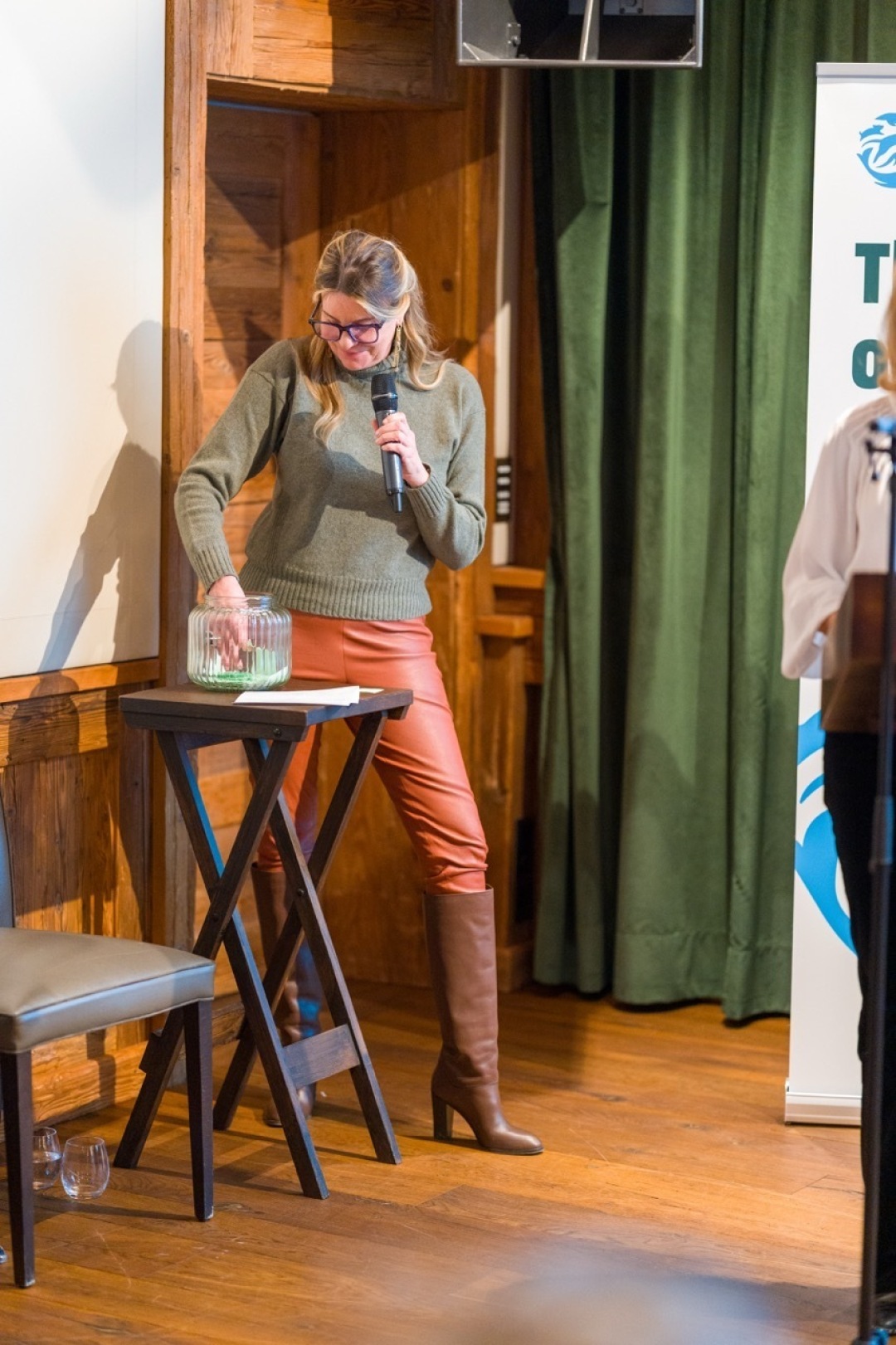
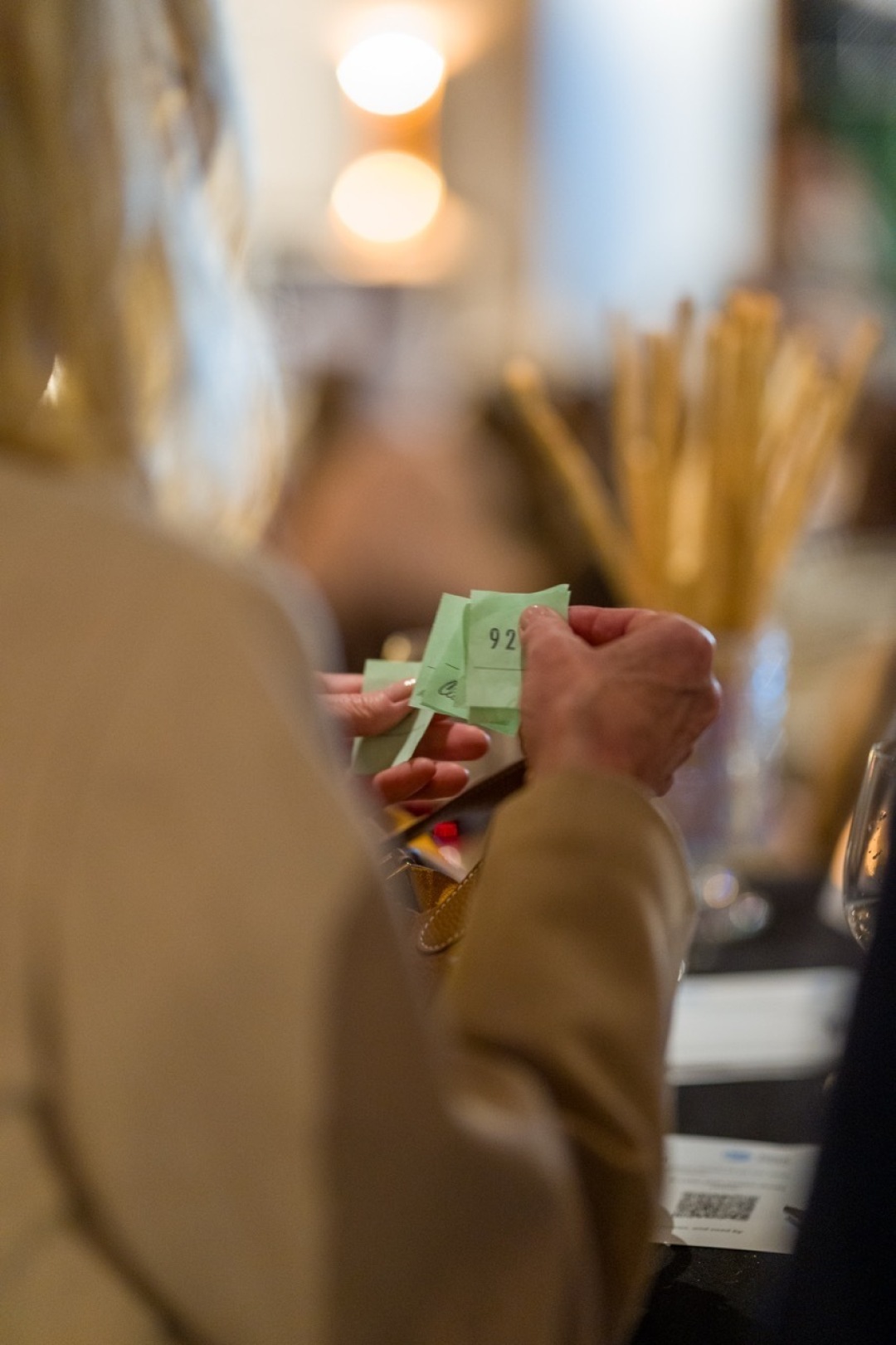
The Q&A was lively and engaged. Questions ranged from legislative enforcement to how European standards influence supply chains beyond EU borders. Several hands remained raised as the allotted time quietly slipped away. In the end, it was not lack of interest that closed the discussion, but something far more urgent: the tombola!
And here, the community stepped forward.
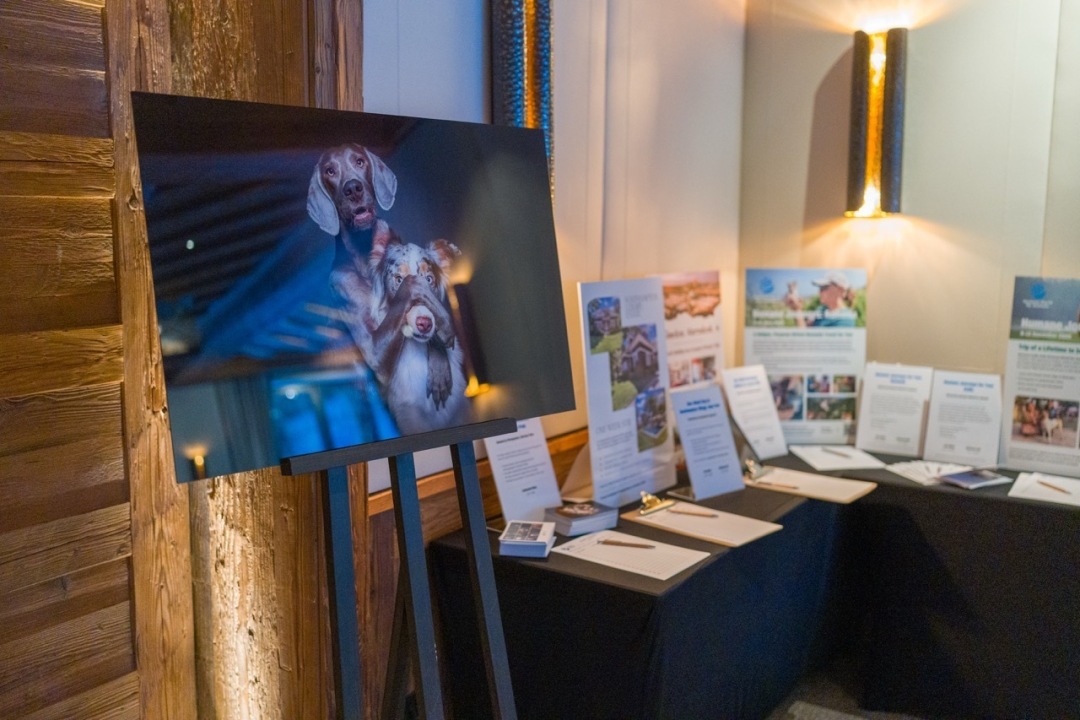
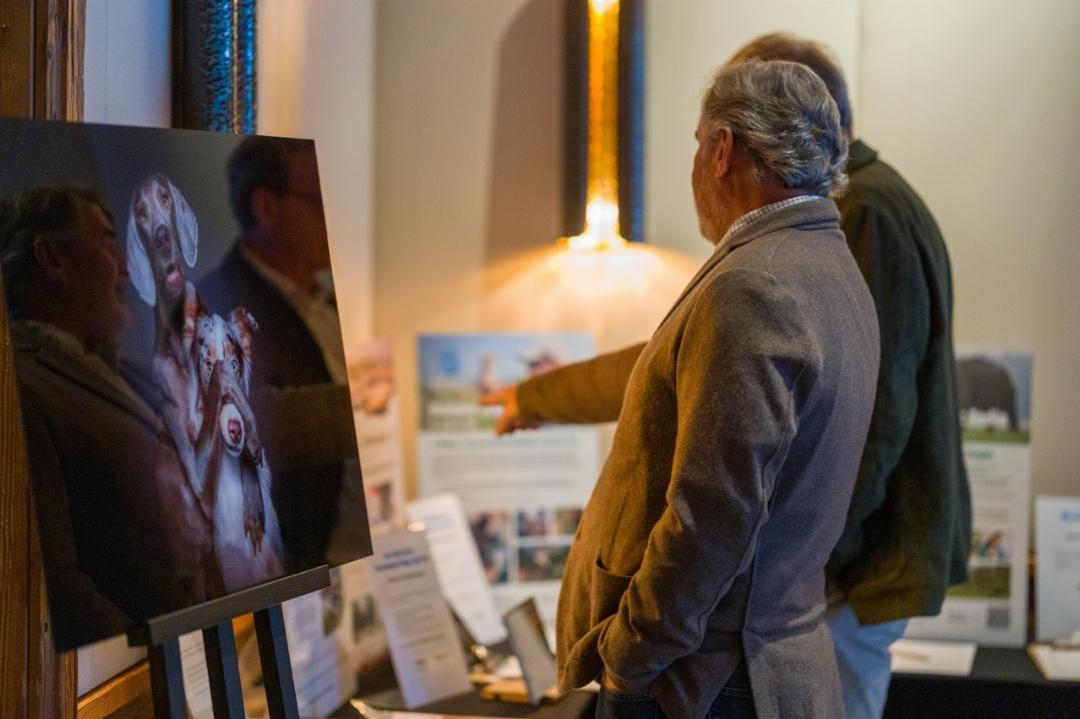
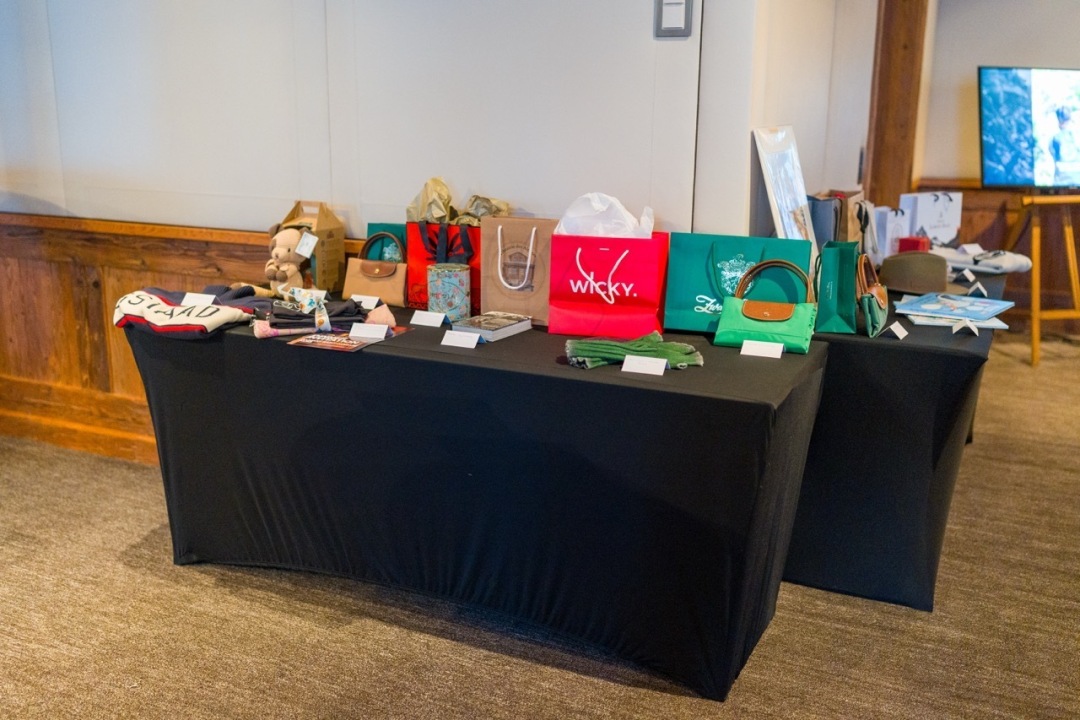
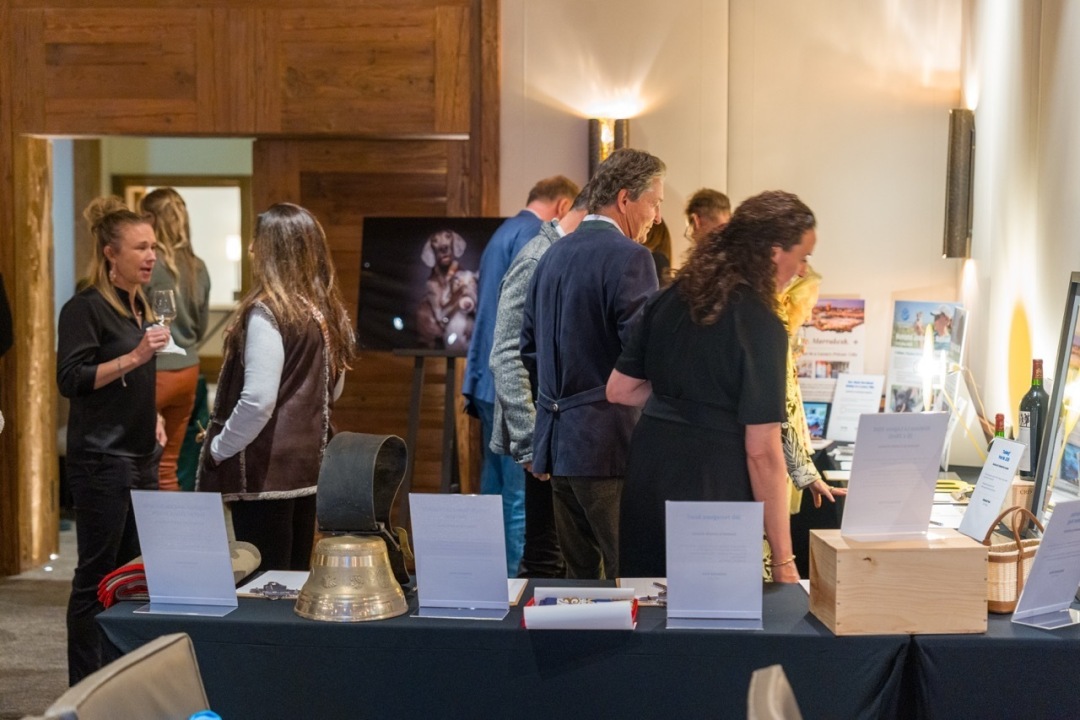
Prizes for the tombola had been generously donated by local businesses and private individuals. The silent auction table reflected the diversity of the region: portrait pet photography sessions, travel experiences, carefully selected wines, art and accessories. It did not feel like an obligatory charity display. It felt very personal.
By the end of the evening, more than CHF 55,000 had been raised through the tombola, silent auction and direct donations. Additional gifts followed in the days after, often the clearest sign that something said during the evening had stayed with people once they returned home.
For me, the connection was layered.
Rescuing George changed how we relate to the topic. Through our involvement with the shelter in Spain, where he came from, we see how small sums translate into immediate security. Seven euros secure one dog’s safety and food for a day. In Gstaad, seven euros barely register. In a rescue facility, they buy time. And time is often the difference between fear and recovery.
What became clear on 12 February is that large-scale advocacy and small-scale rescue work are not competing narratives. They are part of the same continuum. One shifts policy. The other holds the individual animal steady while waiting for systems to catch up.
Three women decided to act. A space was booked. 120 guests showed up. And in doing so, the community strengthened both awareness and tangible support for animals beyond our valley.
There is already talk of another event. Given the atmosphere in the room, it is unlikely that momentum will fade.
Jeanette Wichmann
Read about or donate to HWfA’s work: www.humaneworld.org
If you care to read about George’s rescue foundation, click here: Hope For Hounds Rescue
Photos by Nick Wallace, Pet Photographer -- nickwallace@me.com