

Who gets to live in Gstaad
04.09.2026 Gstaad Living, Architecture, Charity & Support, Local News, Neighbourhood, Green energy, Impact Gstaad, Sustainability, Sustainable Saanenland, Innovation, Longevity, Construction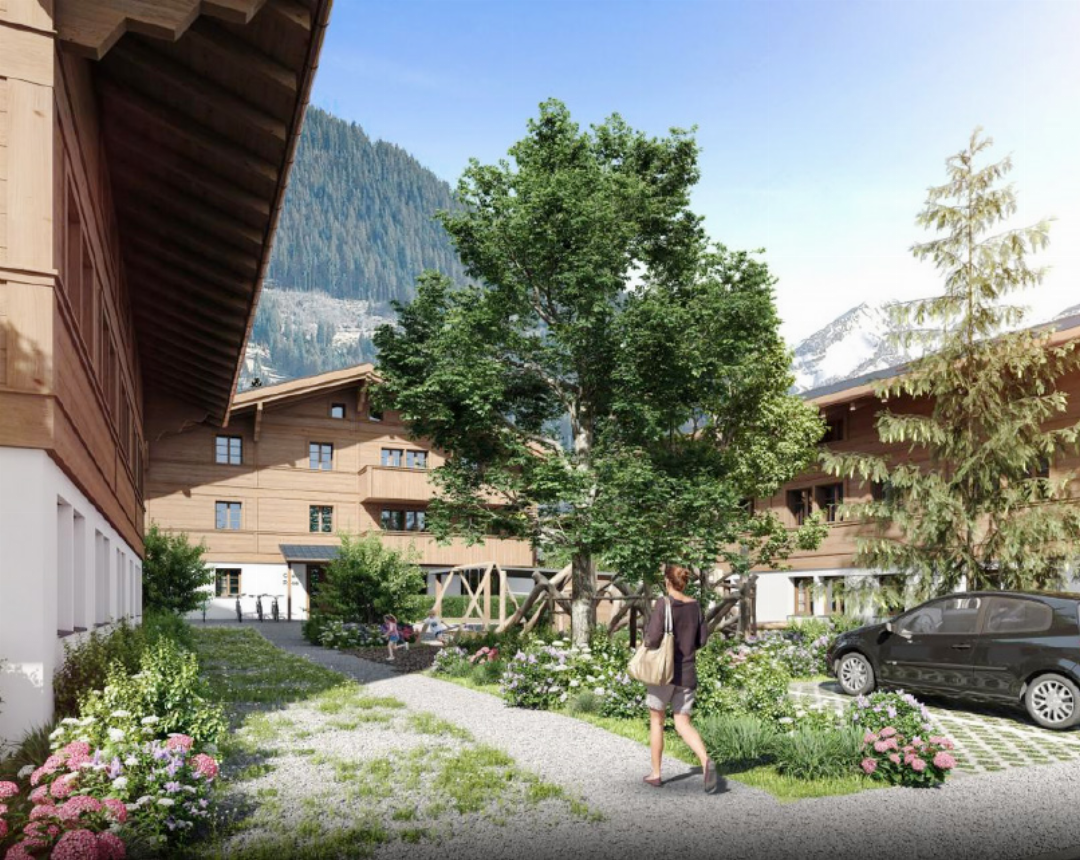
The last summer article in the Under the Hard Hat series: Who gets to live in Gstaad?
Affordable housing can sound like a local policy issue – until you need a plumber, a doctor, hotel or restaurant staff, or someone to renovate your chalet and discover that the people doing those jobs can no longer find anywhere to live.
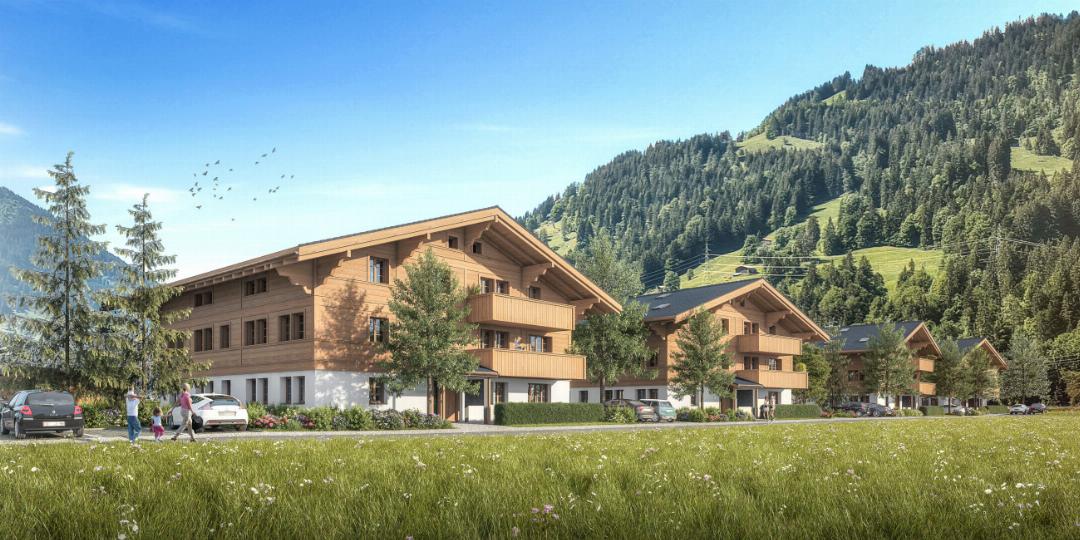
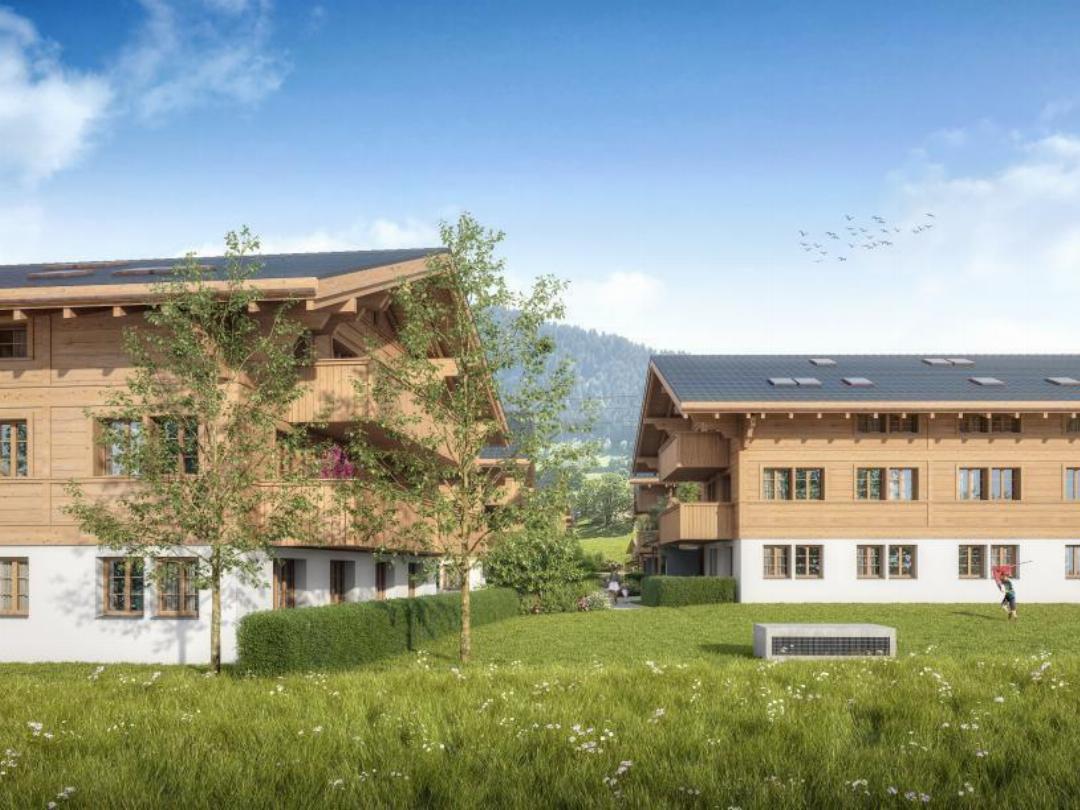
That is the argument behind Ebnitmatte, the planned cooperative development on the edge of Gstaad. Seven buildings with 63 apartments are intended to provide long-term, affordable rental housing for people who live and work in the region. And one point needs to be stated clearly from the outset: this is not social housing. The apartments are intended for a broad mix of residents; families, working couples, older people and professionals, who may earn normal salaries but increasingly find themselves priced out of the local rental market.
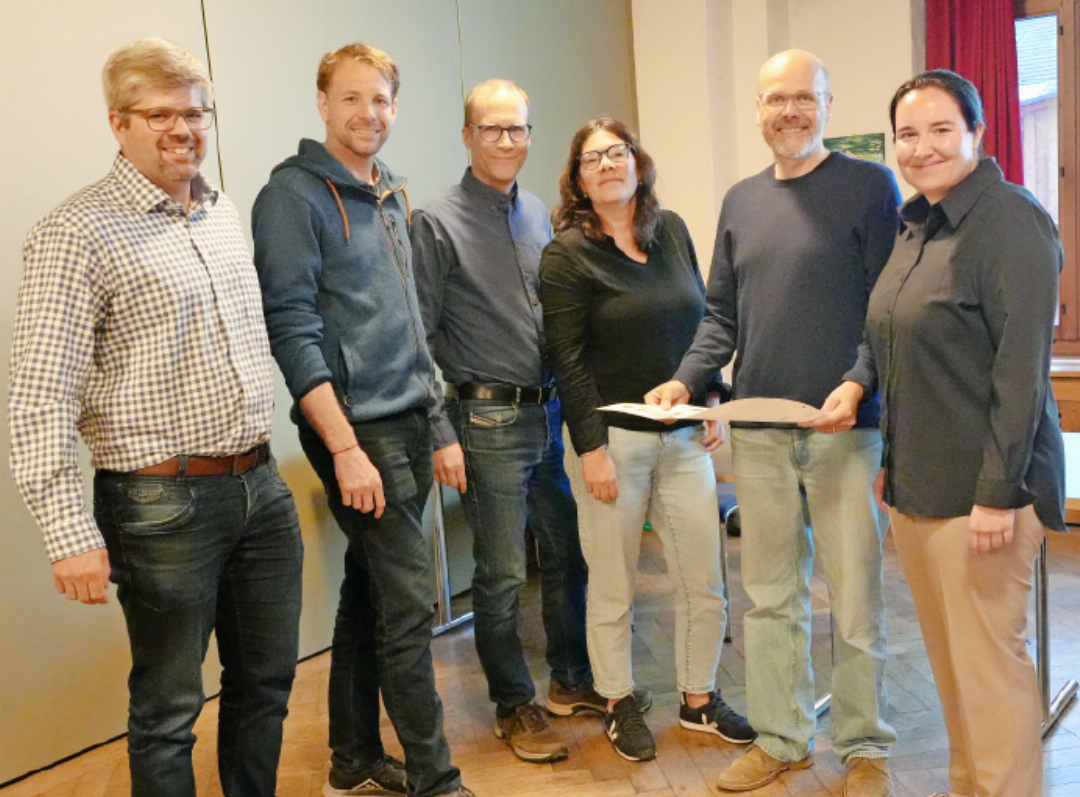
For the final Under the Hard Hat of the summer, GstaadLife met architect Hanspeter Reichenbach and Claudio Thoenen to ask what happens to Gstaad if the people who keep it running can no longer afford to live here.
Gstaad’s success has driven housing costs extremely high. Is Ebnitmatte trying to address one of the side effects of that success?
Very much so. The issue isn't whether someone is originally from here. It is about people who need somewhere to live: people who come to work, families and older residents. For local businesses, it is becoming a question of survival. We need to find employees and offer them reasonable accommodation.
Recently, when we needed extra workers, agencies could barely find accommodation anywhere in the area – not even in Zweisimmen. People were being housed much further away. And in the end, our customers want us to be able to do the work. Our customers are your readers.
So this is not primarily a problem affecting low-paid workers?
No. That is very important. Ebnitmatte is not social housing. A couple of doctors with three children would be very welcome. We want a mixture of people. The problem has reached a point where even people earning good salaries struggle to find suitable housing.
Look at what is available on the market, and you find rents of CHF 3,000, 4,000, 5,000 or considerably more per month. That is simply not affordable for many normal households. What we are building is normal, good-quality new housing at the lowest reasonable cost. We are not magicians, but because it is a non-profit cooperative, the apartments cannot later become speculation objects. They remain affordable housing in the long term.
Can 63 apartments really make a difference?
We estimate that perhaps 180 to 200 people could eventually live there.
There are also occupancy rules. Two people cannot simply rent a large four-room apartment. If the purpose is to address a housing shortage, the available space must also be used sensibly. Of course, Ebnitmatte will not solve the entire housing problem. But if it works here, it can demonstrate that this model can work in a tourist region such as the Saanenland.
Housing cooperatives have existed successfully in Swiss cities for well over a century. We are adapting a proven model to the circumstances here.
Building affordably in Gstaad cannot be straightforward when the same architectural regulations apply as for any other development. Where can you save money?
That is one of the challenges. The federal authorities compare construction costs, but here we cannot simply build large economical blocks as in a city. We still must comply with the municipality’s architectural and aesthetic requirements. We designed seven versions of essentially the same house. The floor plans repeat, bathrooms sit above one another, installations are simplified, and the timber construction can be systematic and relatively quick. That is where the economy comes from – not by making something inferior. From the ground floor upwards, the buildings will largely be constructed in wood. We are proud that we can build economically and still build sustainably.
And how much of that work do you hope will remain within the region?
Ideally, as much as possible. Many companies from the region have already supported the cooperative financially, from construction businesses to other sectors. It makes no sense and is not appropriate to commission work from businesses based elsewhere. Of course, tenders still have to be competitive, and local companies need to have the capacity at the right time. There is clearly a strong regional interest in making Ebnitmatte happen.
The project still faces objections. Has that changed Ebnitmatte itself?
Eight objections were submitted. Three concern mainly practical or technical matters; five are more fundamental. We have gone back through the project carefully, checked the legal questions and made some small modifications, for example concerning access and distances. But the development itself remains the same: seven houses and 63 apartments.
The revised project now goes through the formal process again. We believe we have done our homework, but we will see what happens during the next objection period and subsequent discussions.
A familiar phenomenon with projects like this is that people agree affordable housing is necessary, but not when it is being built near them.
If Ebnitmatte succeeds, could it become a model beyond this particular site?
We believe so, and the federal authorities are interested for exactly that reason. Housing in Switzerland’s tourist hotspots is becoming a serious issue. The federal housing authorities reviewed Ebnitmatte carefully and have been supportive. This is not an experimental concept. Cooperative housing works elsewhere. We are convinced that it can also work under the particular pressures of a destination such as Gstaad.
A considerable amount of private money has already gone into the cooperative. Once the planning issues are resolved, will you be looking for further support?
Our priority now is the building permit. That must come first. Once we have the permit, financing is again the next major step. Anyone interested in participating is welcome to contact us, but we are not currently running an active fundraising campaign. Becoming a cooperative member is not a donation. You buy shares in the cooperative, which you can later sell in accordance with its rules. We have already seen that people who will never live at Ebnitmatte themselves understand why the project matters. One guest approached us independently because they recognised the problem and wanted to help.
Why should somebody with a second home in Gstaad care whether projects such as Ebnitmatte are built?
Because everybody depends on the community around them. If people have to commute from farther and farther away, the quality of life and services here will eventually change. You may wait much longer for somebody to renovate your bathroom. Restaurants and hotels will struggle if they cannot find staff. The same applies to schools, dentists, doctors and many of the other things that make a community function. People who live here have their heart here. They are invested in making the place work. If we fail to provide housing for them, the question is not only what happens to local residents. It is what Gstaad itself will look like ten or fifteen years from now.
Author's note
Ebnitmatte will not solve the Saanenland’s housing shortage on its own. Sixty-three apartments cannot do that. But perhaps its importance lies elsewhere. If the project succeeds, it demonstrates that permanent, non-speculative and affordable housing can still be created in one of Switzerland’s most expensive property markets – with local government, businesses, private individuals and federal institutions working together. For those who spend much of the year in Gstaad, even without calling it their permanent home, that matters.
A village is ultimately not sustained by property values alone. It needs people who can afford to live in it. If you would like to know more about the project or show your support, click here for more information.
JEANETTE WICHMANN