
When wild animals leave their own shadows
24.02.2026 Arts & Culture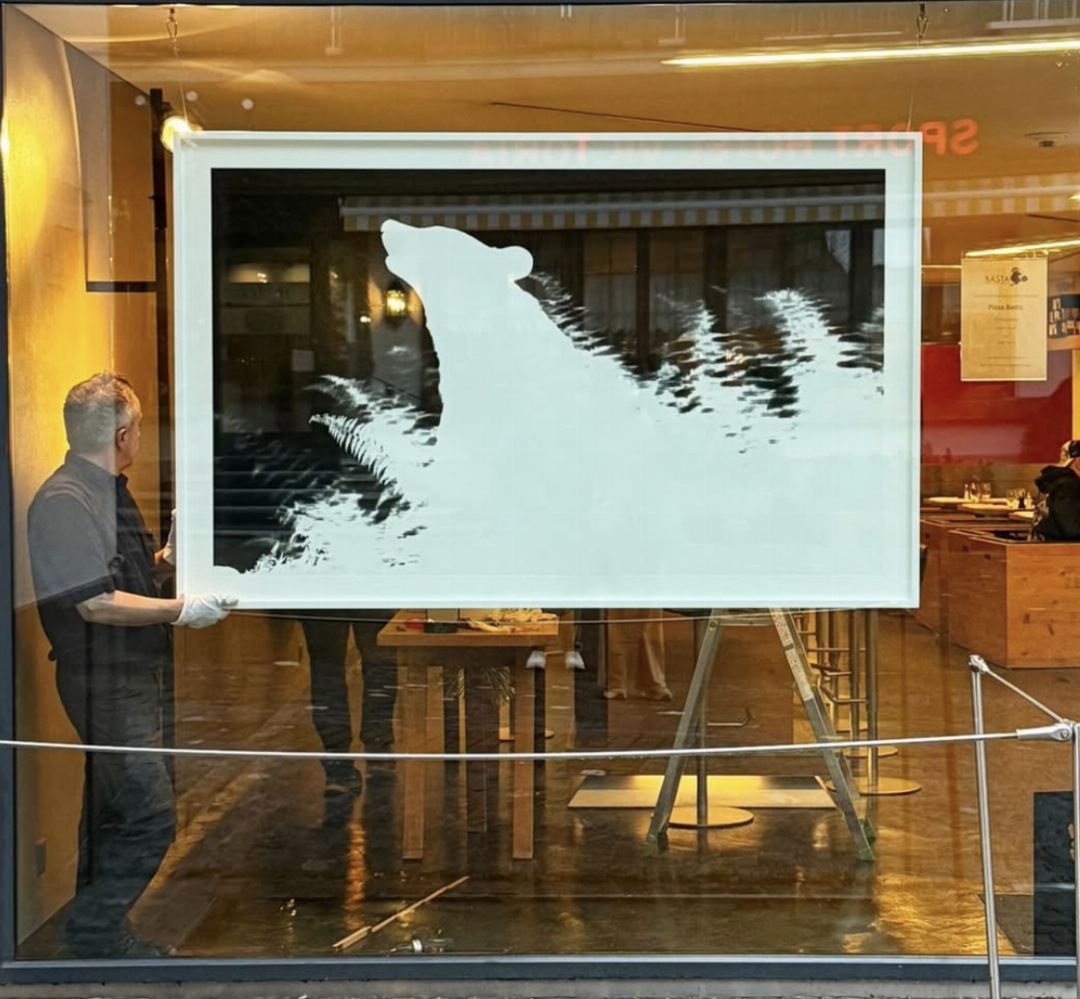
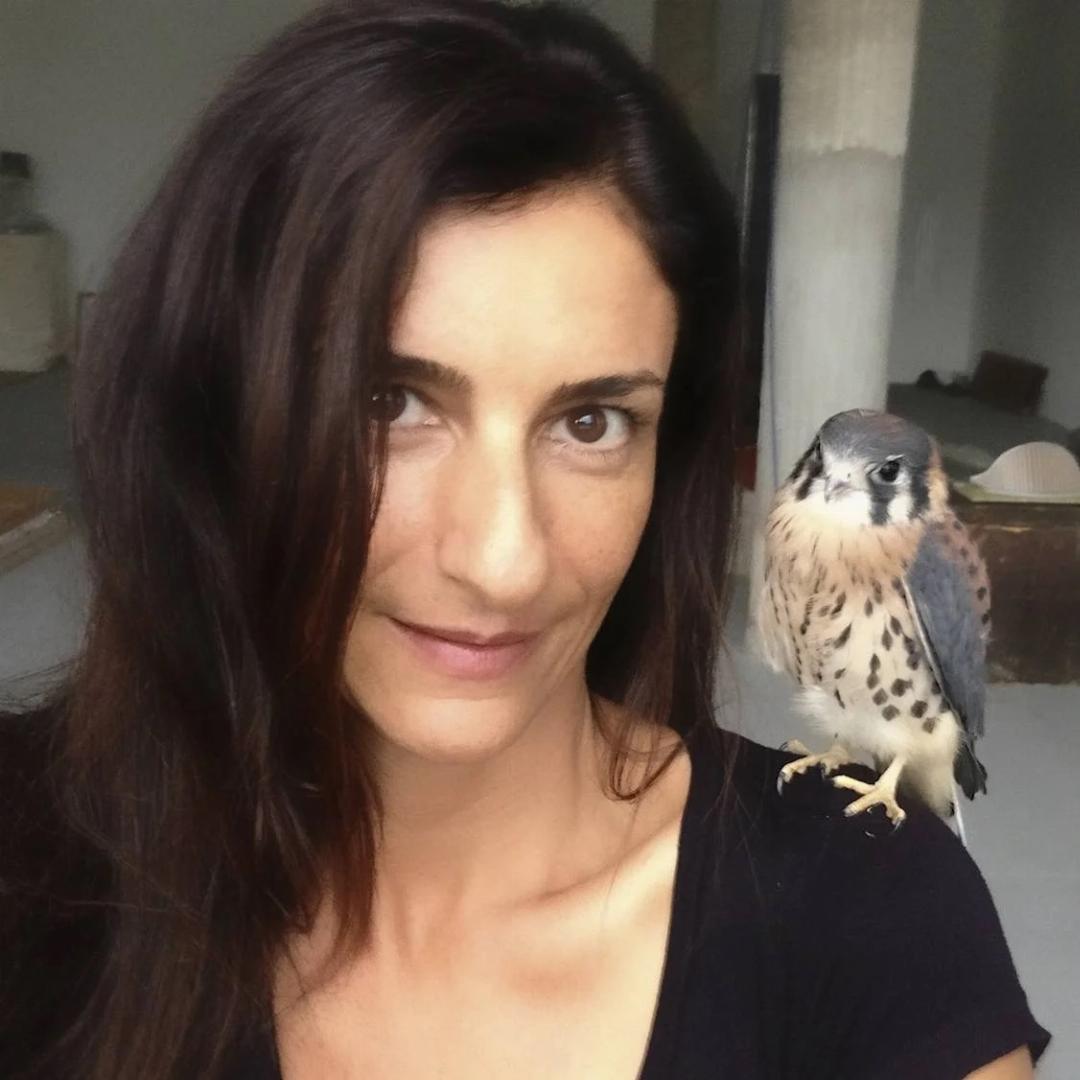
Academy Award-winning filmmaker and photographer Zana Briski has spent decades travelling the world, turning her lens – and, more recently, light-sensitive paper – towards animals in their natural habitats. Internationally exhibited and defined by patience, precision and deep respect for her subjects, her works now find a permanent home in Gstaad. The series will remain on view as a long-term installation at the Hotel Bernerhof, accessible not only to guests but also to external visitors.
------
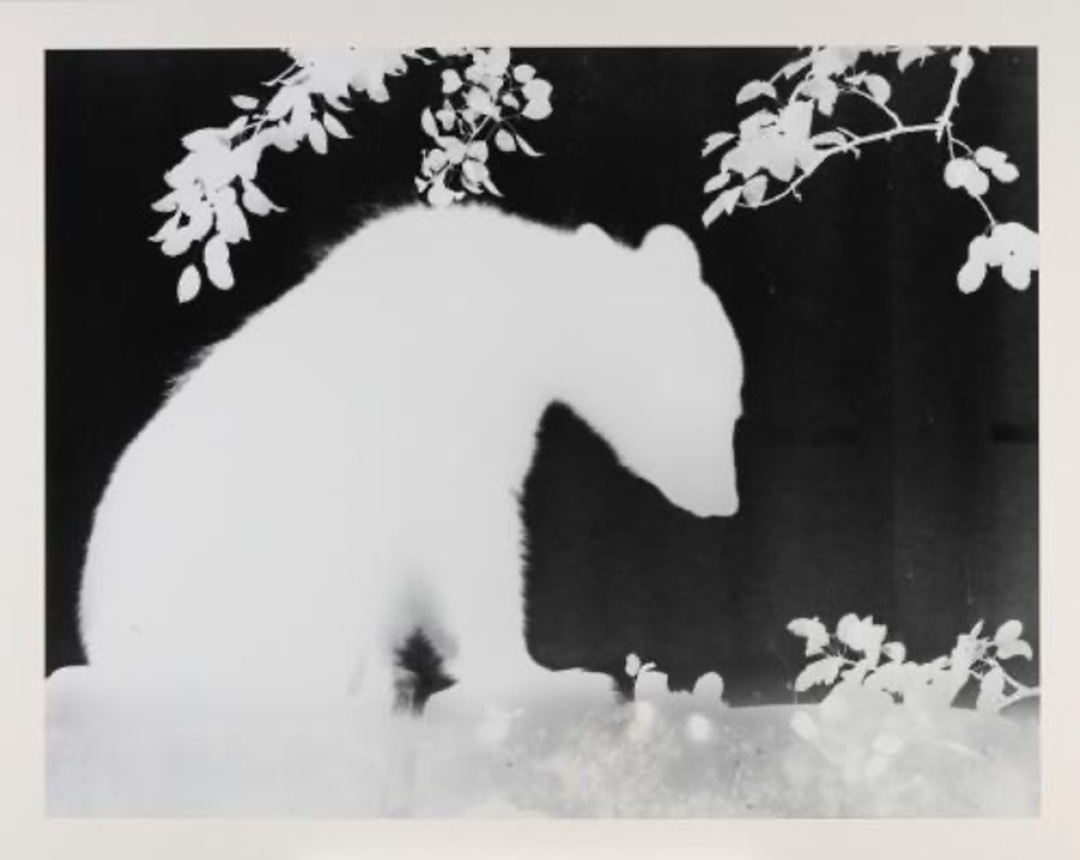
A young bear emerges from the darkness of the forest as a glowing “white shadow” – a life-sized nocturnal image created without a camera, directly on light-sensitive paper.
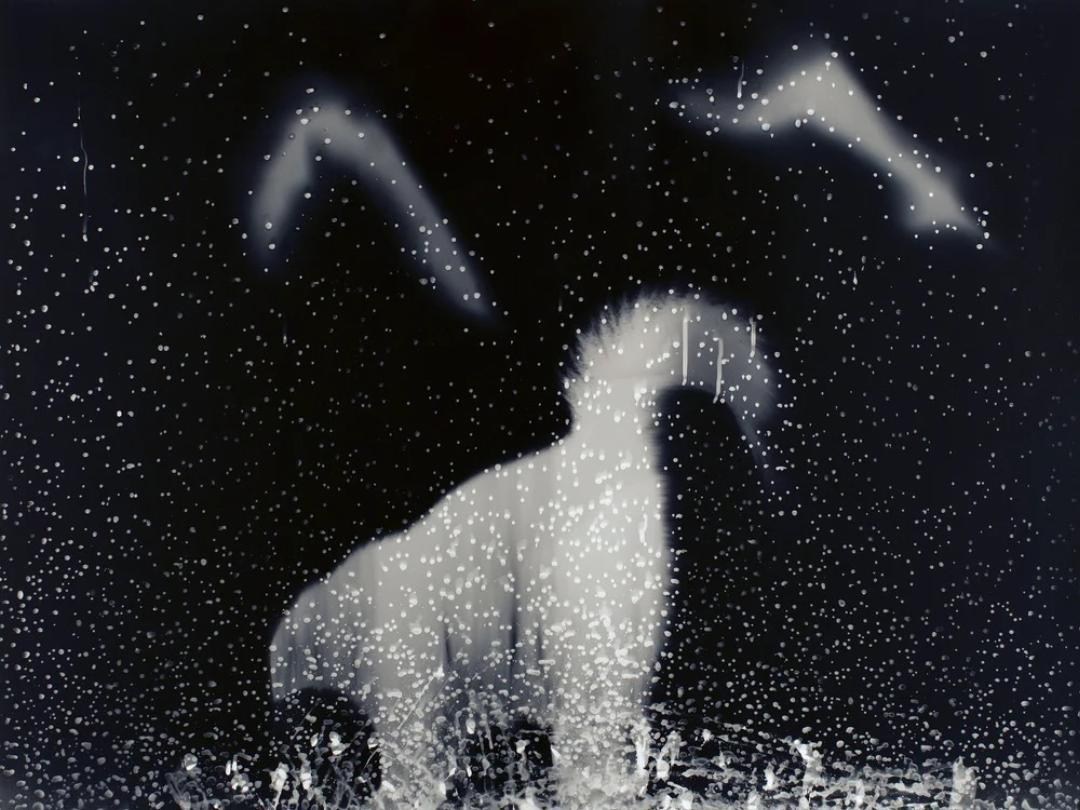
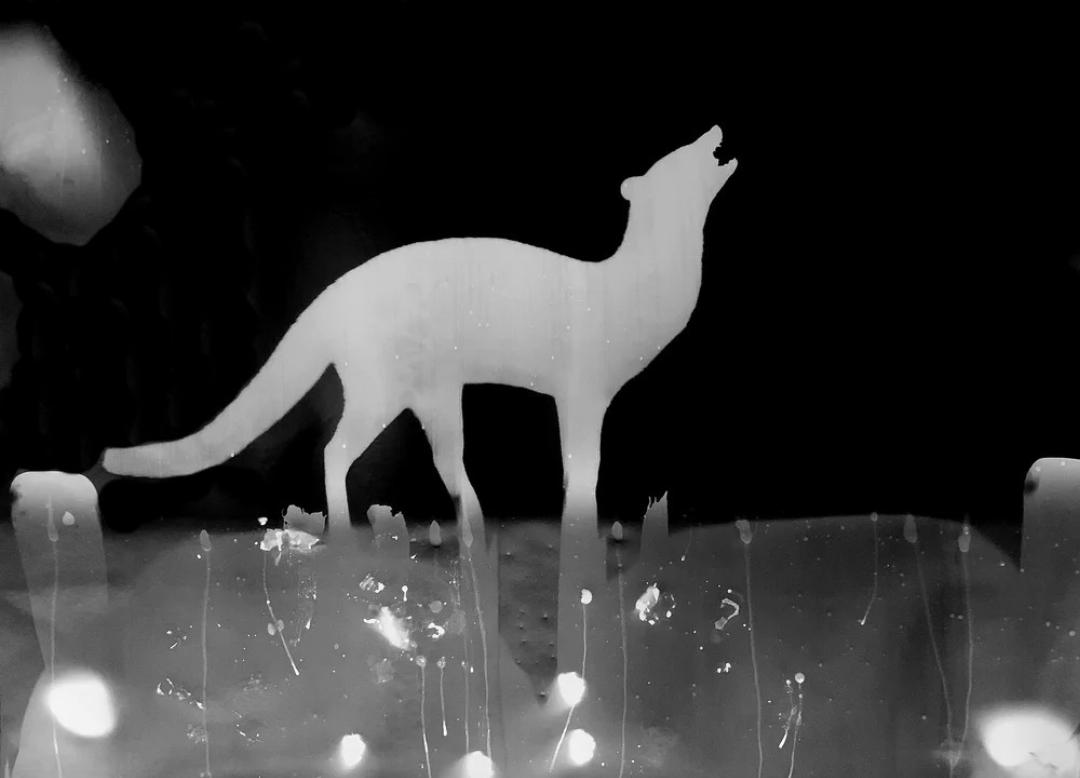
With her striking exhibition Night Wild at the Hotel Bernerhof in Gstaad, Zana Briski presents a radically different approach to wildlife photography. There is no camera, no digital technology – only large sheets of silver gelatin paper, patience, and a remarkable degree of dedication. The result: monumental, life-sized photograms of wild animals, created in their natural habitats.
“I have no other life than my work – and animals,” Briski says.
Her technique recalls early photographic experiments by William Fox Talbot, one of the medium’s pioneers. Traditionally, a photogram is made by placing an object directly onto light-sensitive paper and exposing it to light, leaving behind a silhouette. Briski, who has always worked in analogue photography, admits she never paid much attention to the process before. “I never really knew much about it,” she says.
The breakthrough came by chance. A master photographer and printmaker friend suggested she try working directly with photographic paper. “I told him I didn’t really like photograms,” she recalls. But once she experimented with the technique, she never returned to the camera.
Five months with skunks!
Back in New York State, she spent an entire summer observing a group of around ten striped skunks. “I spent five months figuring out how to make it work,” she explains. Her early attempts were experimental: laying the paper flat on the ground produced strange but promising results; placing it vertically cut off the animals’ feet. Eventually, she refined the method.
Today, on moonless nights, Briski lays out large-format sheets of silver gelatin paper – sometimes up to three metres long – in the forest. She sits alone in the darkness, just a few metres away, fully visible to the animals, and waits. All night. Often night after night.
When an animal appears, she triggers a brief flash from a small handheld unit – subtle enough not to disturb it. “And then I roll the animal up. I roll it up. I collect it,” she says, describing the intense, fleeting moment. The exposed paper is carefully flattened, placed in a lightproof box and later developed.
Not every attempt succeeds. Many exposures fail; only a few become works of art. “It’s part of the game,” Briski notes calmly. The successful photograms are mounted on aluminium panels – unique, non-reproducible pieces in which the animals appear as luminous white shadows where the paper remained untouched by light.
The encounter with the bear
Working with bears proved especially challenging. “He knows I’m here,” Briski says. “All I wanted was to capture this baby. But when I saw my first bear, I just thought: oh my God, you are incredible.”
Briski first gained international recognition with her Academy Award-winning documentary Born into Brothels, filmed in Kolkata’s red-light district. With Night Wild, she turns her lens – or rather, her paper – towards the wilderness, creating an encounter that feels both intimate and deeply respectful.
The exhibition has previously been shown at the Edwynn Houk Gallery and the International Center of Photography in New York. Now, Gstaad audiences have the rare opportunity to experience these haunting nocturnal works up close.
The series will remain on view as a long-term installation at the Hotel Bernerhof, accessible not only to guests but also to external visitors.
Based on AvS