

Two Giacometti works soared at auction
17.07.2026 Arts & Culture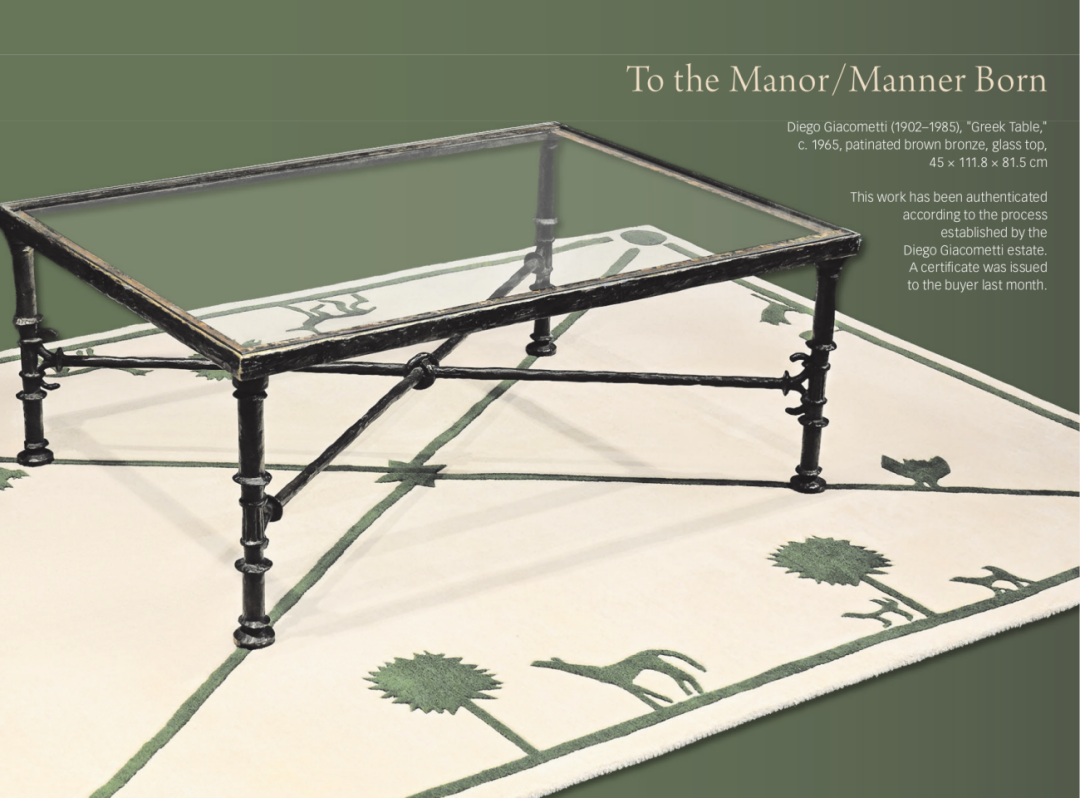
Born into a family of artists including his father Giovanni (1868–1933), his brothers Alberto (1901–1966) and Bruno (1907–2012), and his cousin Augusto (1877–1947), Diego (1902–1985) distinguished himself by his ability to transform furniture into works of art.
...Born into a family of artists including his father Giovanni (1868–1933), his brothers Alberto (1901–1966) and Bruno (1907–2012), and his cousin Augusto (1877–1947), Diego (1902–1985) distinguished himself by his ability to transform furniture into works of art.
Arriving in Paris in 1927, he joined Alberto and became both his favorite model and his exceptional assistant. In the 1930s, they collaborated on a furniture commission for the decorator Jean-Michel Frank (1895–1941), resulting in a radically modern design.
While working in Alberto's shadow during this period, World War II marked a turning point for Diego: his older brother returned to Switzerland while he remained in Paris. This period of separation initiated his artistic emancipation, leading to his own visual language. He collaborated with major collectors and institutions, including Hubert de Givenchy (1927– 2018) and Elsa Schiaparelli (1890– 1973), and participated in important commissions, notably for the Maeght Foundation and the Picasso Museum. These renowned patrons were captivated by his unique personal work, at the crossroads of sculpture and design.
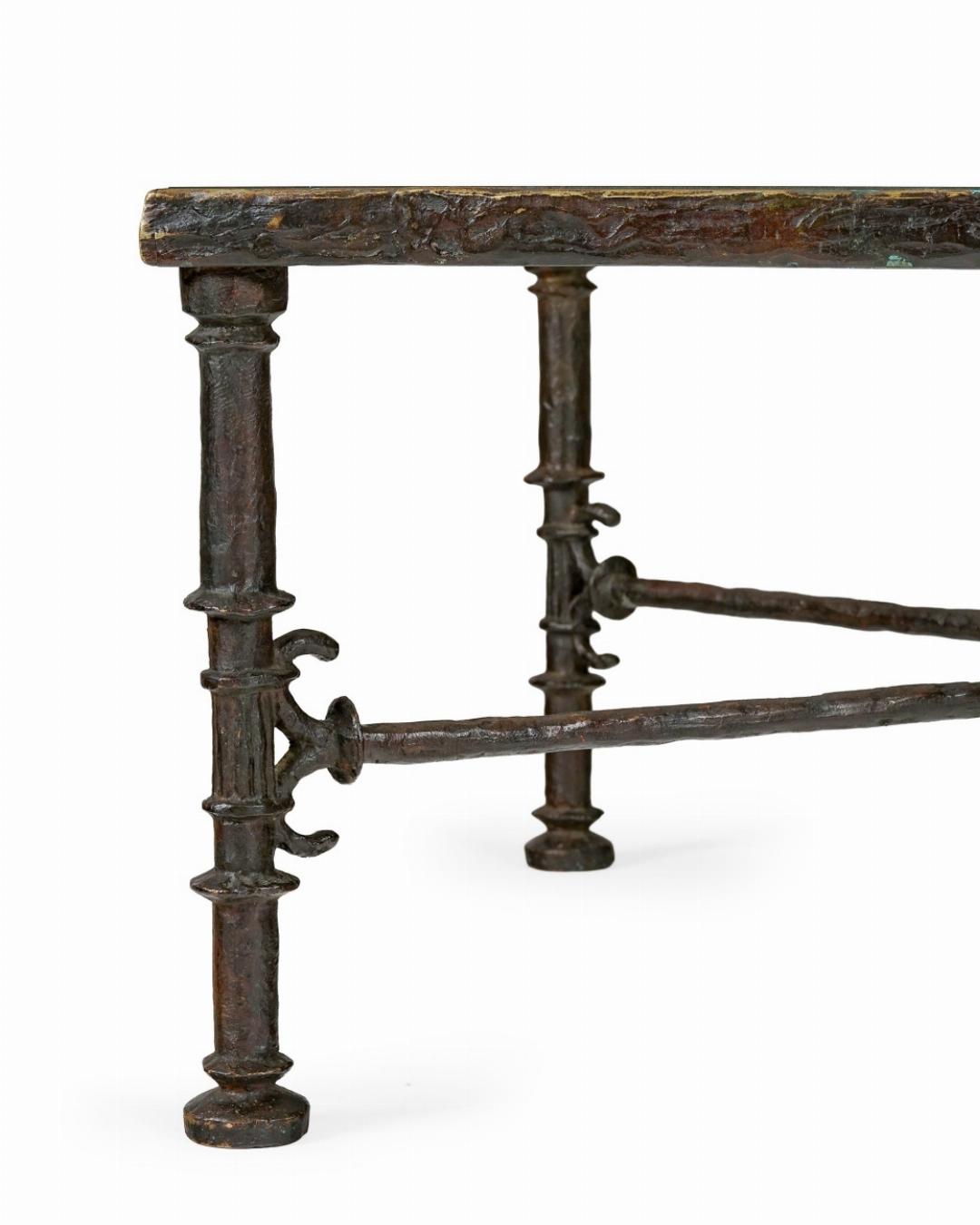
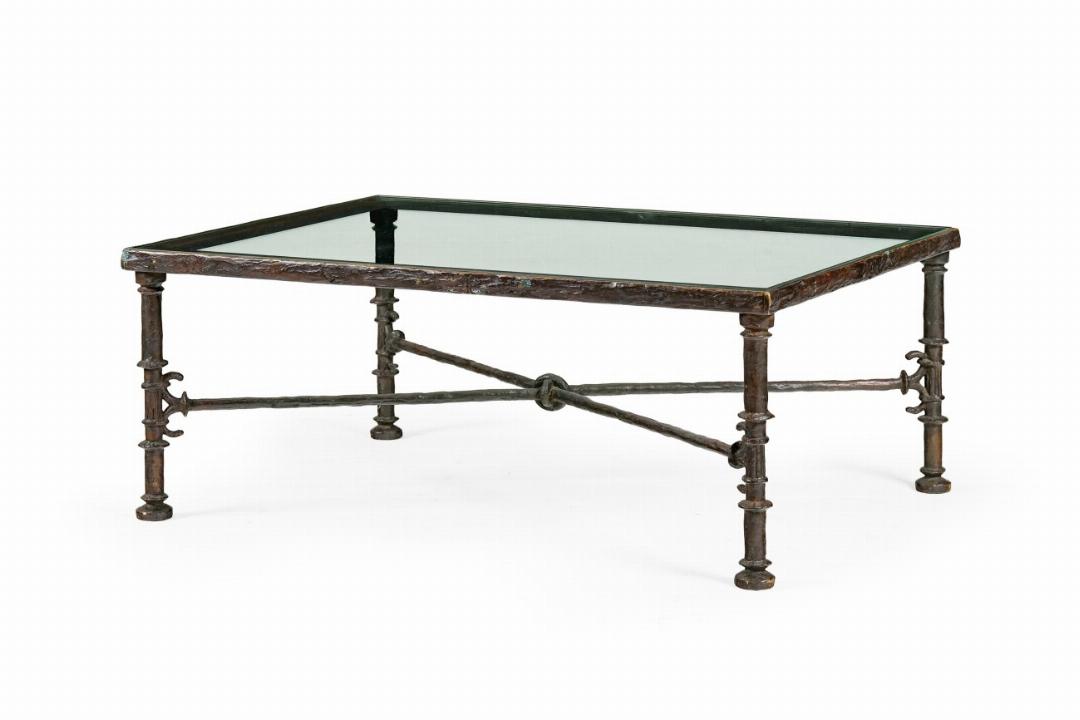
This Greek Table, composed of four straight legs resting on disc-shaped feet connected by an X-shaped stretcher, is distinguished by its geometric lines. Here, Diego abandons his usual bestiary in favor of cleaner lines, these two stylistic elements reinforcing the reference to Greek architecture. This echo of Greek Antiquity is ultimately amplified by the raw and vibrant materiality of the hand-worked bronze with its brown patina, evoking an archaeological relic.
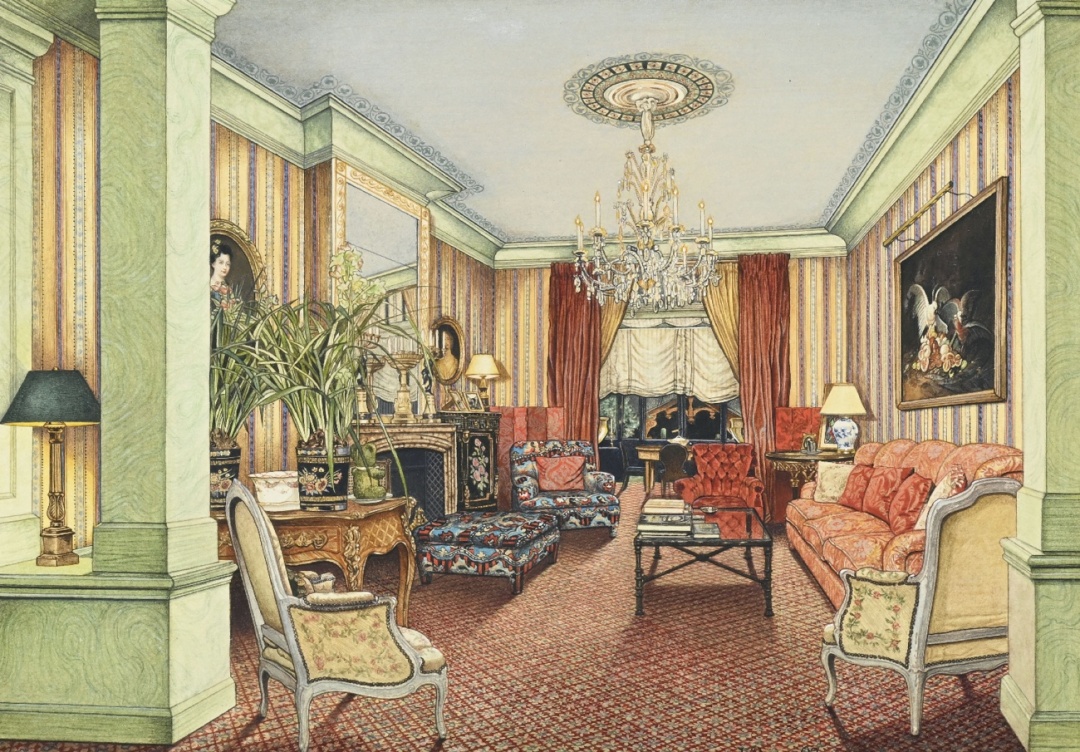
This Greek Table that Maison Piguet had the privilege of auctioning comes from the collection of the Prouvost-Segard family and most likely from Marguerite Ségard (1906–2000). By birth, she belonged to the powerful Prouvost family, whose economic rise and cultural influence profoundly marked the 20th century. Her uncle, Jean Eugène Prouvost, made his mark on the French industrial landscape by developing La Lainière de Roubaix in 1911, which became the most modern spinning mill in Europe between the two World Wars. In the immediate post-war period, he also became a major figure in the French press, building a veritable media empire that included publications such as Le Figaro, Paris Match, Marie Claire, and Paris Midi. Through her marriage in 1927 to Jacques Ségard (1901–1983), an industrialist and administrator of her uncle's company, Marguerite Ségard joined another lineage of industrialists and prominent figures from northern France. Heir to this dual heritage, she and her husband settled in the Hôtel de Bérulle in the 7th arrondissement of Paris. Moving among Parisian industrial and cultural elites, the couple amassed a significant art collection, including works by Manet, Monet, Léger, and Bonnard, among others.
ALAN NAZAR IPEKIAN
To the Manor/Manner Born
Diego Giacometti (1902–1985), "Greek Table," c. 1965, patinated brown bronze, glass top, 45 × 111.8 × 81.5 cm
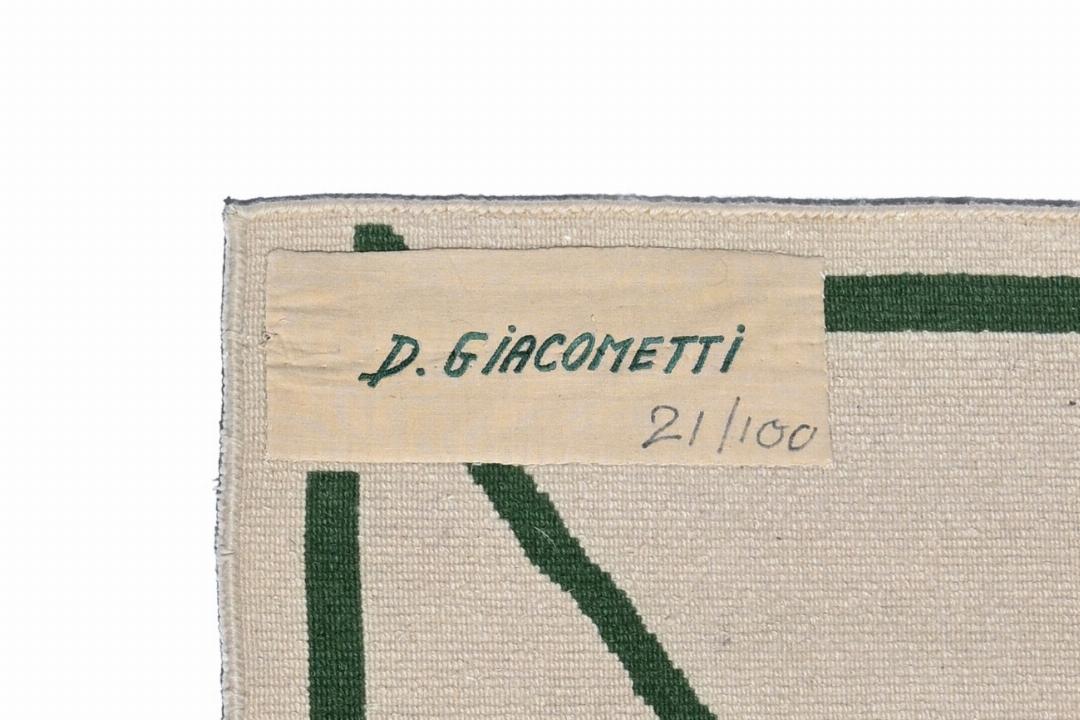
This work has been authenticated according to the process established by the Diego Giacometti estate. A certificate was issued to the buyer last month.
The author has just viewed and recommends the exhibition Giacometti in the Temple of Dendur Metropolitan Museum of Art, New York Through 8 September, 2026 www.metmuseum.org