



The obituary cocktail
04.09.2026 Lifestyle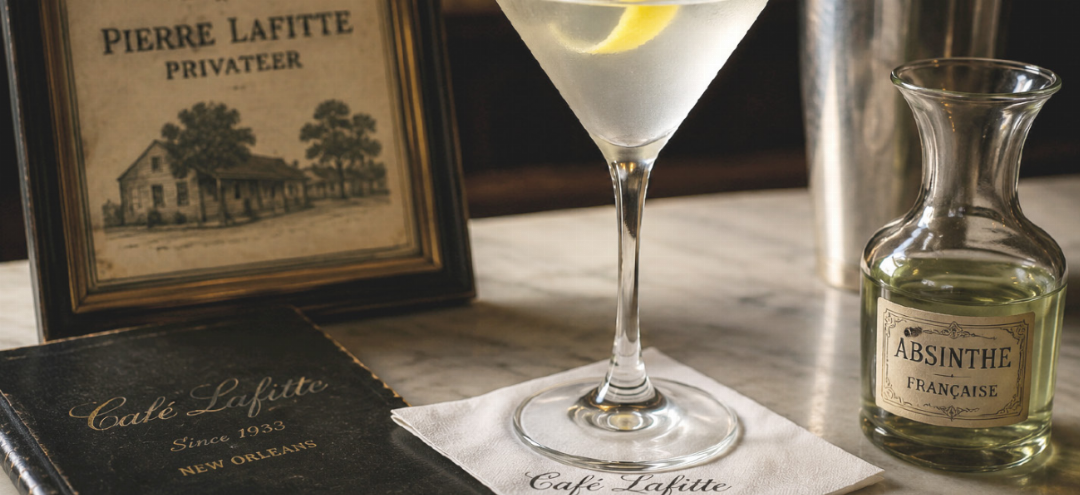
HOW NEW ORLEANS IMPROVED THE CLASSIC MARTINI
The two great art forms that America gifted the world – jazz and the cocktail – were born together in the latter half of the 19th century and nurtured into brilliance in the steamy bars of New Orleans. When prohibition ...
HOW NEW ORLEANS IMPROVED THE CLASSIC MARTINI
The two great art forms that America gifted the world – jazz and the cocktail – were born together in the latter half of the 19th century and nurtured into brilliance in the steamy bars of New Orleans. When prohibition shuttered the saloon industry in 1920, both went underground into illicit speakeasies, to the betterment of the music and the detriment of the drinks.
Perhaps the temperance movement’s greatest insult to the cocktail connoisseur of the day was the loss of a well-made martini. Ordering this sleek mix of gin and vermouth laced with orange bitters, served in its namesake ballerina of a glass, was a way of signifying one’s refinement and stylishness. Order one in the local mob joint and the “gin” you’d be served was most likely mixed in a rusty bathtub out back.
When prohibition was eventually deemed a failure and repealed 13 years later, America's Mardi Gras city took no time in regaining its cocktail bona fides. It was one of the few cities in the world that undertook the craft of inspired bartending seriously again, quickly placing it at the vanguard of American cocktail culture.
Opening in the French Quarter the same year as repeal, the Café Lafitte appropriated the abandoned blacksmith shop of notorious 18th century pirate and privateer Jean Lafitte. It was located within the “Lavender Line,” an area welcoming to the gay community even when this was a decidedly dangerous idea. (The Café Lafitte declares itself the oldest continually operating gay bar in the US, frequented by literary luminaries like Truman Capote and Tennessee Williams in days gone by.)
As the Lafitte bartenders were returning the classics to their rightful place in the life of 1930s New Orleans, owner Tom Caplinger created a new one by replacing the bitters with a drop of absinthe, the potent and notorious anise-flavoured superstar of the Louisiana bar scene, to a gin martini. He christened it “the Obituary,” no doubt to place it alongside other popular absinthe cocktails with macabre monikers like the Corpse Reviver no. 2, and Hemingway’s own Death in the Afternoon.
The Obituary has proven itself a delightful addition to the canon and remains on the menu of the Café Lafitte today. The recipe is deceptively simple for such a complex melody on the palate: two ounces of a juniper-forward dry gin, one ounce of fresh dry vermouth (fresh is the key word here—refrigerate after opening to avoid oxidation), and a shallow barspoon’s worth of good French absinthe, stirred briskly with ice and strained into a chilled cocktail glass. Twist a small peel of lemon over the drink’s surface and drop it in, then raise your glass to the memory of the late, great cocktail virtuosos of the great city of New Orleans, and all that jazz.
BY SIMON OGDEN