

THE MATTI KASTLANEI
04.09.2026 Traditions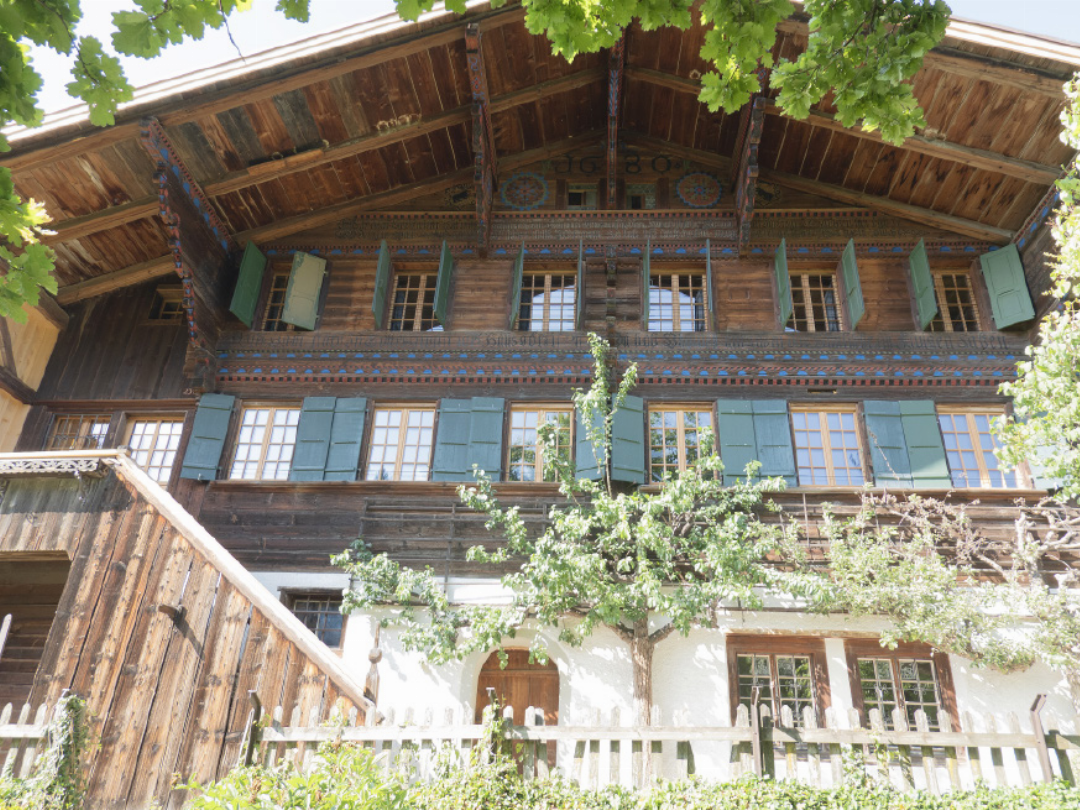
SERIES: HISTORIC HOUSES OF THE SAANENLAND
The Saanenland is home to some of Switzerland’s most remarkable historic farmhouses and residences. Behind their carved façades lie stories of wealthy landowners, master craftsmen, ambitious builders and changing artistic fashions that shaped the valley over centuries. Drawing on research by Christian Rubi, Bendicht Hauswirth and the extensive documentation of the Rubi Fund, local historian and photographer Martin Gurtner-Duperrex explores a selection of these buildings and the people connected to them. For the final instalment of our summer series, we stay in Saanen – and at a house whose history tells us as much about political power as it does about architecture.
A house built on land, power and the written word
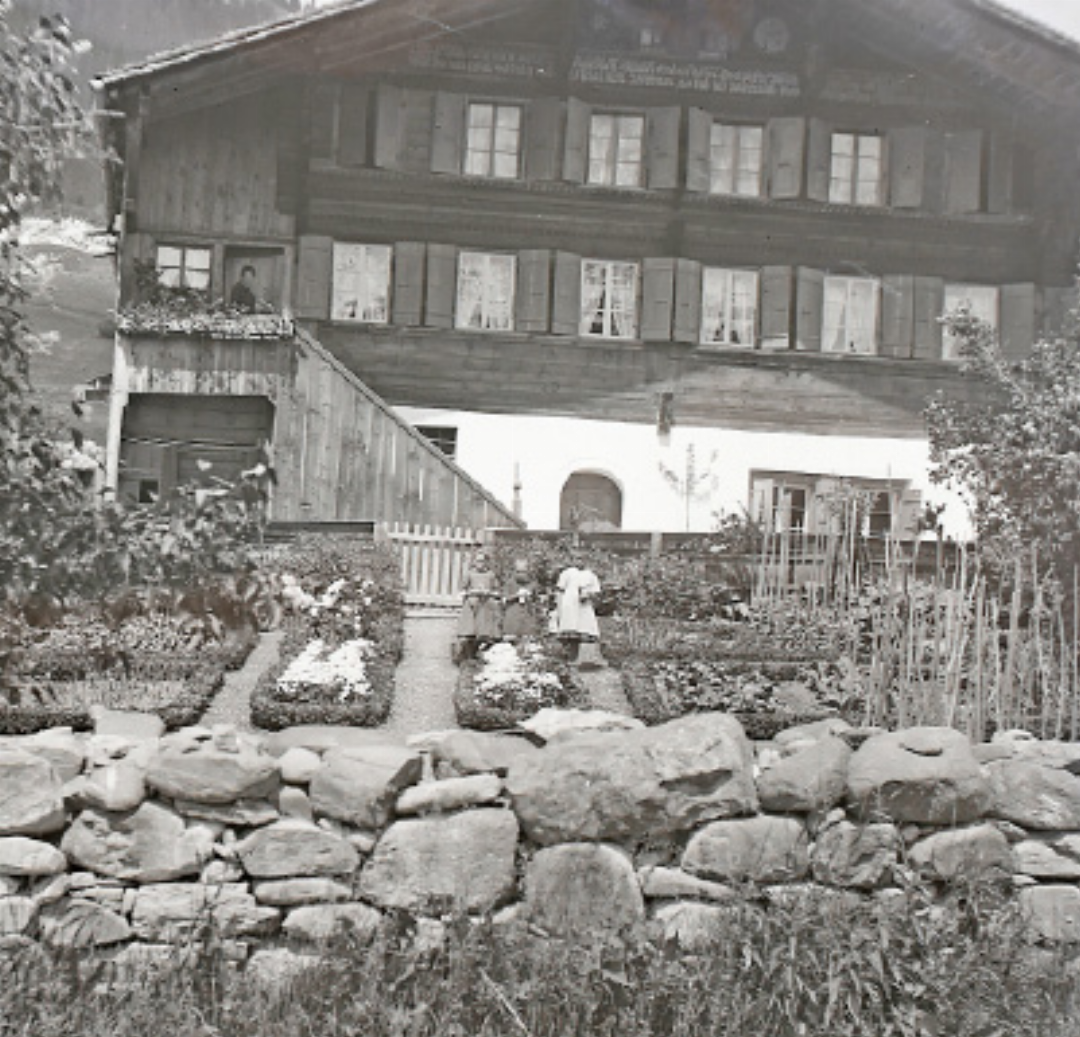
Just beyond the village of Saanen, on the main road towards Gstaad, the imposing Matti Kastlanei stands partly hidden behind the trees. Built in 1680 on the remains of an earlier house destroyed by fire, its name recalls the powerful Matti family and the Kastlane who once lived here.
But what exactly was a Kastlan – and which other positions were worth aspiring to in old Saanen if you happened to belong to the right family? For centuries, the Kastlan, or castellan, held the highest public office in Saanen. He represented the Bernese authorities, chaired public assemblies and presided over the courts. The position was held for three years. The Saanen Landsgemeinde could put forward two or three candidates, but the final appointment was made by Bern’s Small Council. Direct democracy? Not quite. Particularly after 1609, when participation in the Landsgemeinde was reduced to the “hundred chosen men” – an exclusive group of wealthy citizens. As a result, these prestigious, temporary offices tended to circulate among a relatively small number of influential families.
Alongside the Kastlan stood the Landesvenner, guardian of the banner and archives. The Landesschreiber recorded proceedings at assemblies and courts, while the Säckelmeister – literally the keeper of the money bag – was responsible for the finances.
The system ended after the French occupation of Bern in 1798. The newly formed political municipalities gradually introduced elected authorities instead.
Peter Matti: a man of many offices
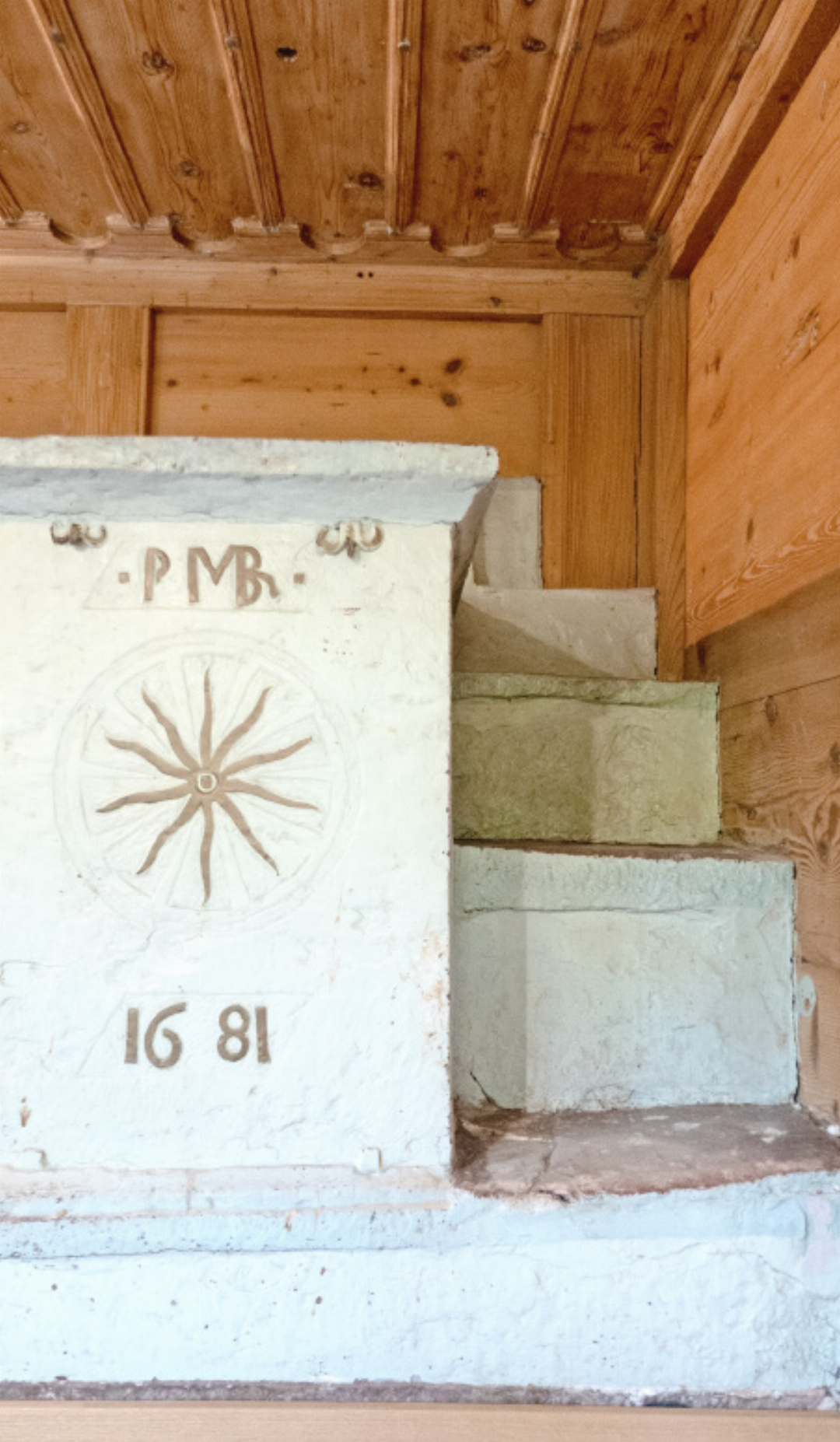
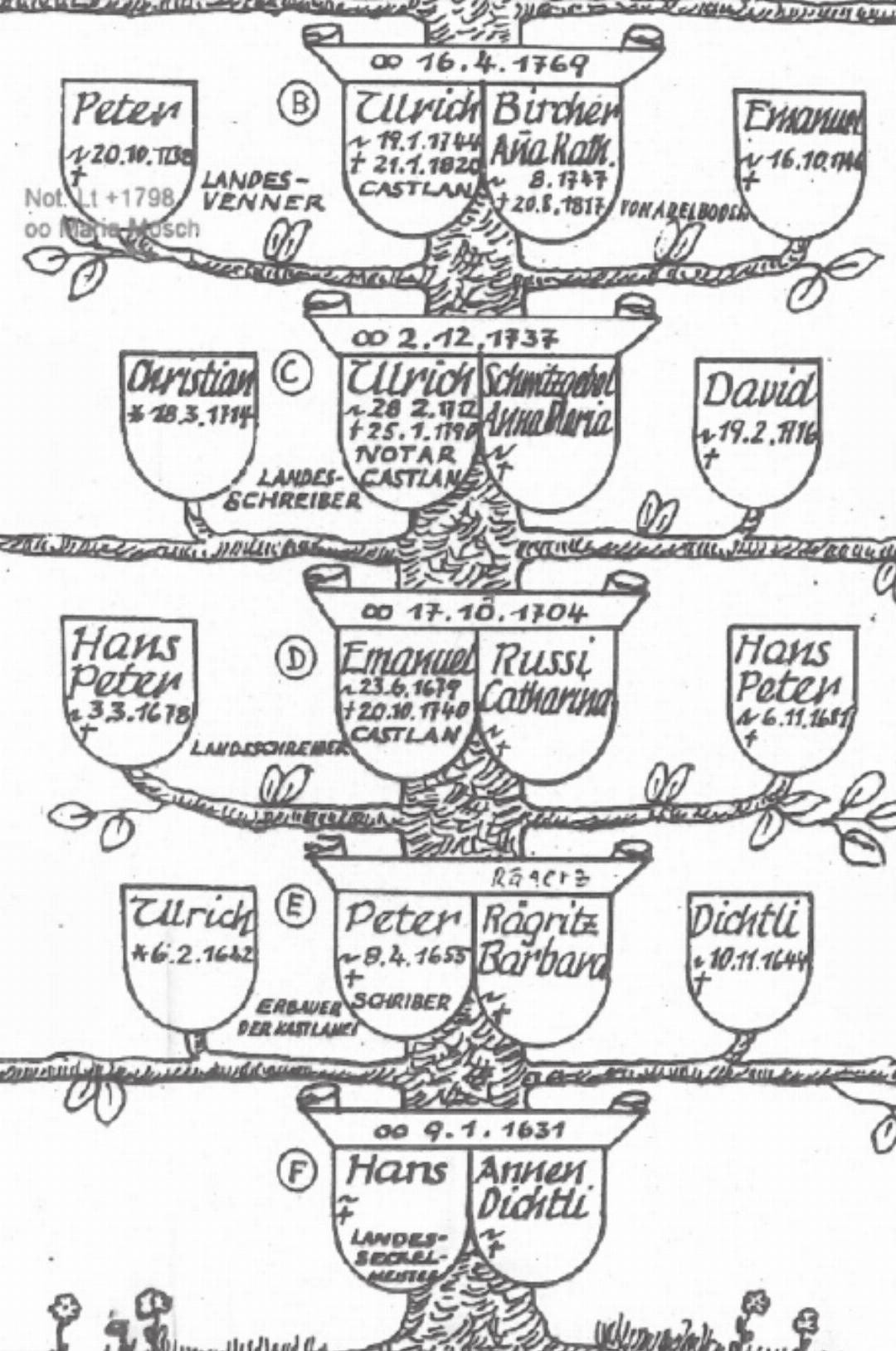
Peter Matti and his wife Barbara Rägerz – whose surname also appears in historical records as Rägritz or Regez – are considered the most likely builders of the Matti Kastlanei.
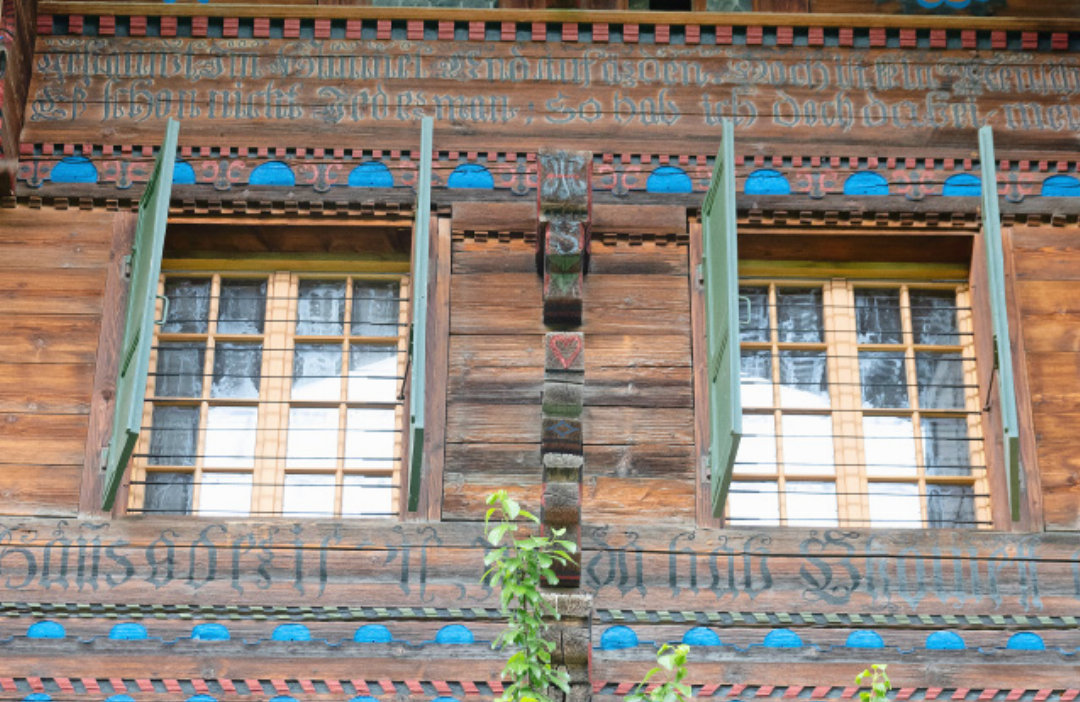
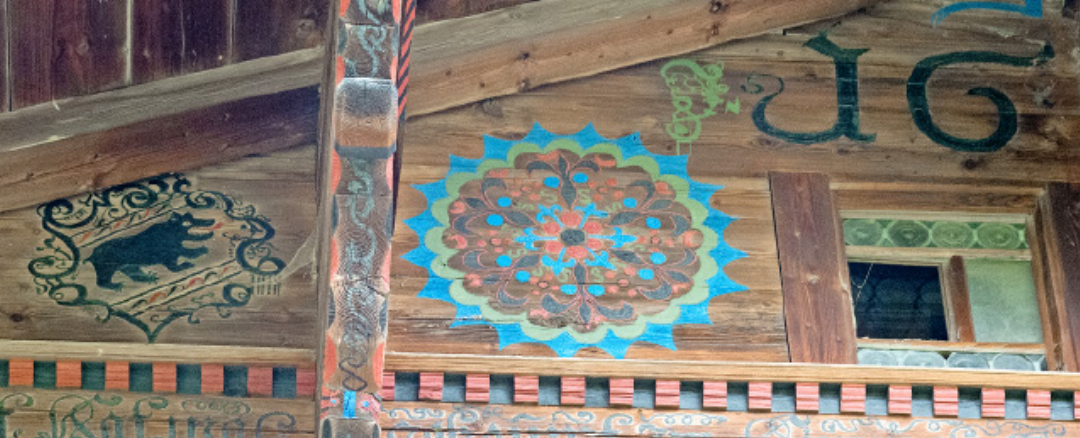
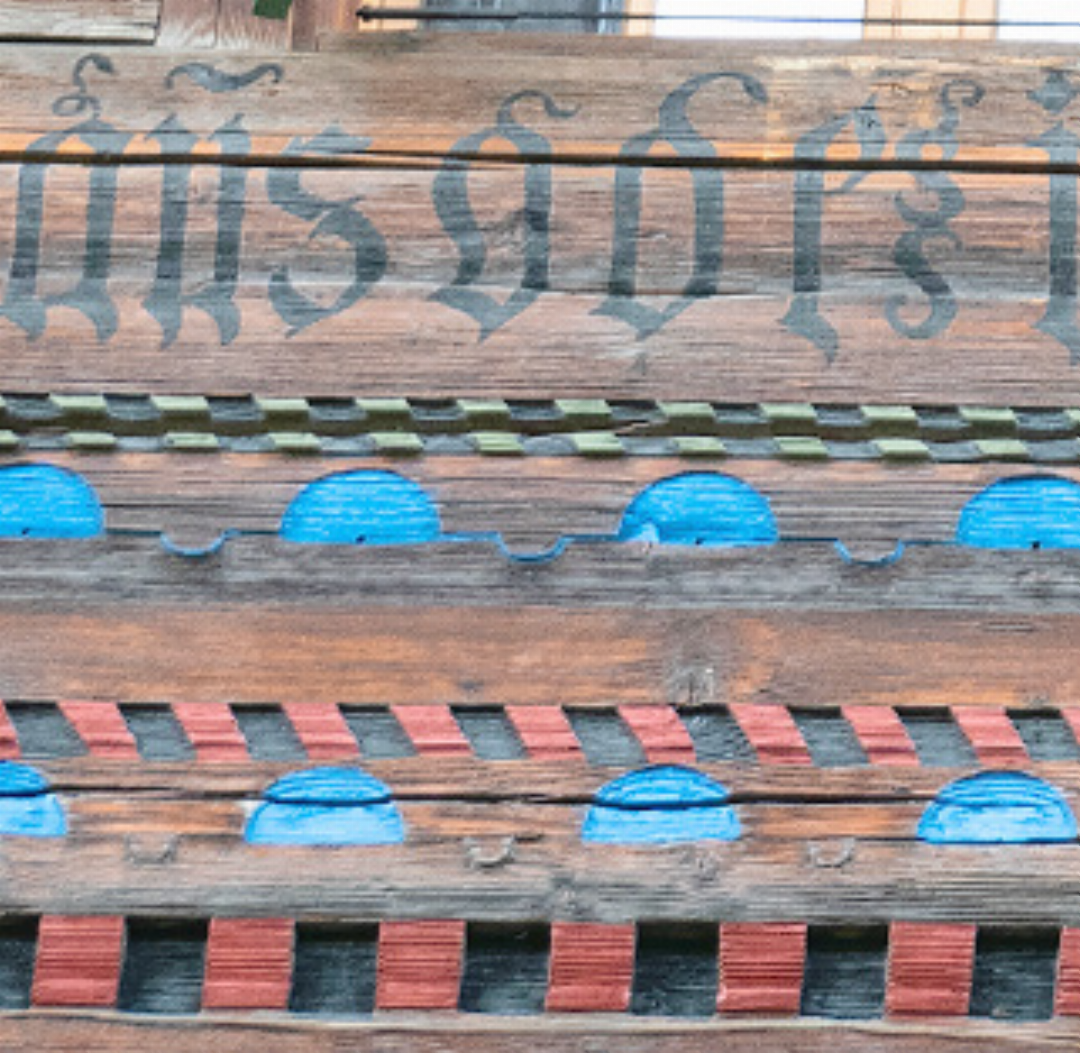
Much supports the theory, although the badly weathered inscriptions have stubbornly refused to reveal all their secrets. Even examined at night under angled light, they offer no absolute confirmation – nor do they identify the master carpenter responsible for the building.
Certain architectural details point towards Hans Tüller, the master carpenter behind the Old Kastlanei featured earlier in this series, although this too has never been conclusively established.
What is certain is that Peter Matti (1655–1709) was a prominent figure in Saanen. He served as Kastlan from 1704 to 1706 and held the positions of Landesvenner and Landesschreiber several times. Like many of Saanen’s leading families, the Mattis were successful farmers with substantial cattle and landholdings. But they were equally skilled with the pen.
Working as clerks and notaries gave members of such families the education and experience needed to pursue public office. Over the generations, the Mattis produced several Kastlane: Emanuel Matti and Ulrich Matti each held the position once, while another Ulrich Matti, the latter’s son, served twice.
In old Saanen, it seems, owning good pastures was useful. Knowing how to wield a quill could take you even further.
More than 300 years in one family
The property remained in Matti family ownership for more than three centuries, together with its Vorsass – the intermediate mountain pasture traditionally used between the valley and the high Alps – and its alpine grazing land. Eventually, in the ninth generation, it passed to Frieda Hildegard Matti (1913–1998), the final owner from this long and influential family line. In 1987, the Kastlanei became the property of the municipality of Saanen. According to Kaspar Westemeier, head of the municipality’s property department, the surviving records indicate that the municipality had not been actively seeking to acquire the estate. Instead, Frieda Hildegard Matti offered the house and its large surrounding meadow to the municipality for sale. Following negotiations, the two sides agreed on a price. Why the municipal council of the time decided to purchase it can now only be a matter of speculation, Westemeier says, although the property’s proximitZ to the village of Saanen is likely to have played an important role.
Nearly 350 years after it was built, the Matti Kastlanei therefore remains closely connected to the community whose political life its former inhabitants once helped to shape.
The offices of Kastlan, Landesvenner and Landesschreiber have long disappeared, and in 1987 the house passed out of Matti family ownership after more than 300 years. Yet the Kastlanei survives as a tangible link to a Saanen in which land, family, political influence and a well-handled pen were often closely intertwined.
MARTIN GURTNER-DUPERREX