

The Making of Winter Sports in Gstaad
23.01.2026 Sports & Leisure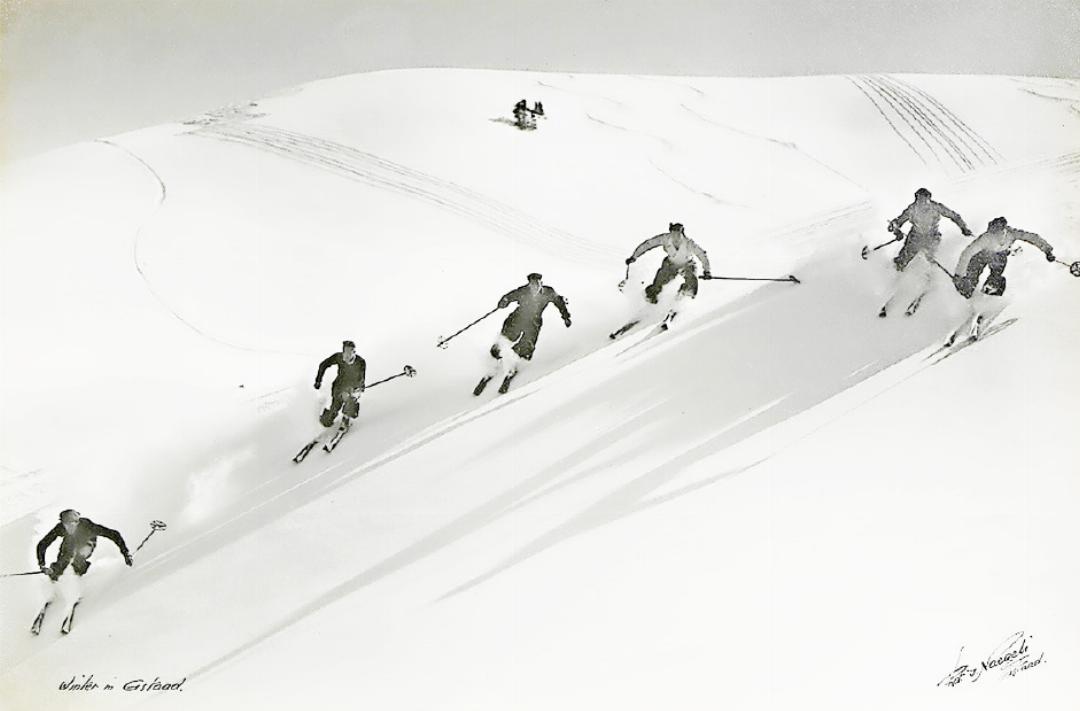
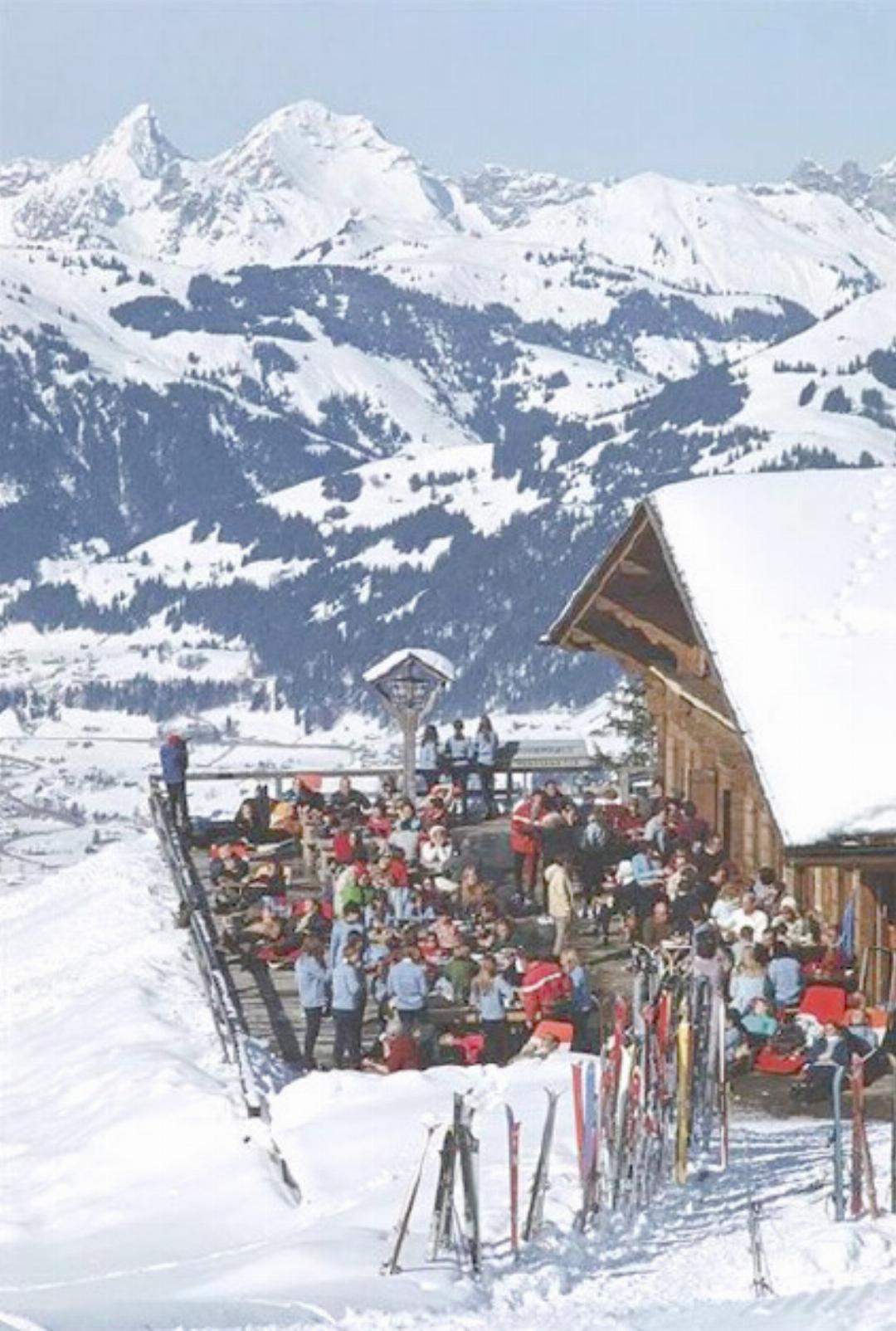
It is easy to assume that skiing has always been at the heart of winter in Gstaad. With dozens of ski lifts, a wide network of runs for all abilities and excellent mountain dining that people can reach directly from the slopes, you would be forgiven for thinking this is where it all ...
It is easy to assume that skiing has always been at the heart of winter in Gstaad. With dozens of ski lifts, a wide network of runs for all abilities and excellent mountain dining that people can reach directly from the slopes, you would be forgiven for thinking this is where it all started. But the beginning of winter sports here was far more prosaic, with no single “a-ha” moment. In fact, it was a combination of factors, such as new travel habits and a growing desire for more to do in the mountains that propelled Gstaad to the winter sports playground we know today.
The Railway
One of the first major steps came in 1905 with the opening of the Gstaad railway station on the Montreux– Oberland Bernois electric line. Until then, reaching the valley required determination and patience. Even today, with modern roads, it takes nearly an hour to reach the Saanenland from Thun, Bulle or Aigle. Imagine the trip in 1905: winding mountain roads, mud, rocks and snow. The journey alone would have been an adventure.
The new electric railway changed everything almost overnight. Visitors could now travel quickly and comfortably on what was then a pioneering piece of Swiss engineering. As more people began arriving in the village, winter sports quickly emerged as the natural answer for how to spend time in the colder months. The first official winter season took place in 1907–08 and the foundations of Gstaad’s winter culture were set in motion.
The growth of local hospitality added further momentum to this direction. When the Gstaad Palace Hotel opened in 1913, it brought a new level of tourism to the valley, attracting guests who stayed longer and who expected more variety. This raised a new challenge: how could the village keep an expanding winter clientele engaged for weeks at a time in midwinter?
The First Sports
At first, skating was the star attraction. Guests were far more likely to lace up skates than strap on skis. The village ice rink opened in 1907–08 and was, for a time, the second largest in Switzerland after Davos. With dedicated areas for curling, skating and hockey, plus dividing walls and a music pavilion, the rink became the social and sporting heart of winter.
Ice hockey matches quickly became part of village life and curling positively thrived. Instructors in formal dress guided players as they slid heavy stones across the ice while musicians played in the pavilion during matches. There was a sense of occasion to it, which gave the sport a social and prestigious feel.
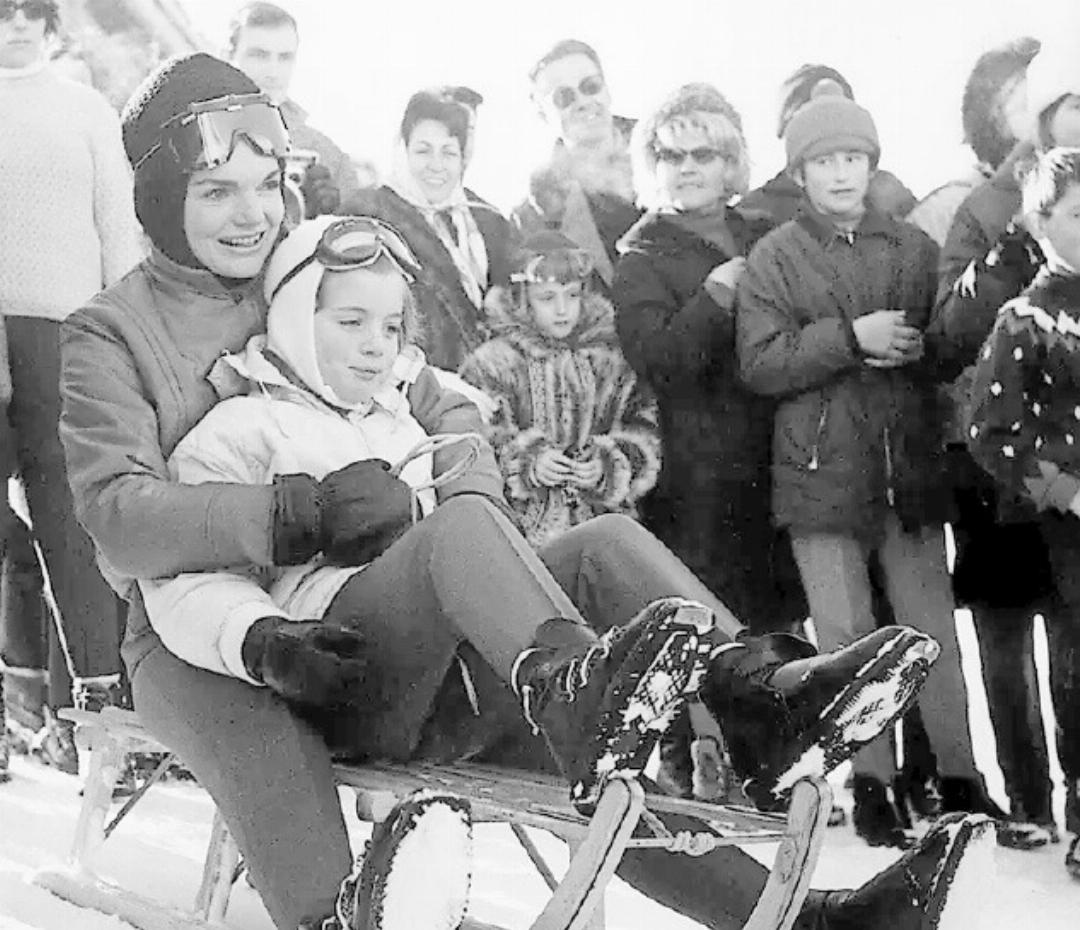
Sledging also played a role in the region’s early winter traditions. Before ski lifts existed, sledges were used for everyday tasks like hauling snow and transporting goods. They also naturally offered an easy, playful ride back down the mountains. Visitors began to hike up trails and enjoy long descents and many old photographs show families proudly gathered beside their sledges, albeit looking more appropriately dressed for a picnic than winter sports.
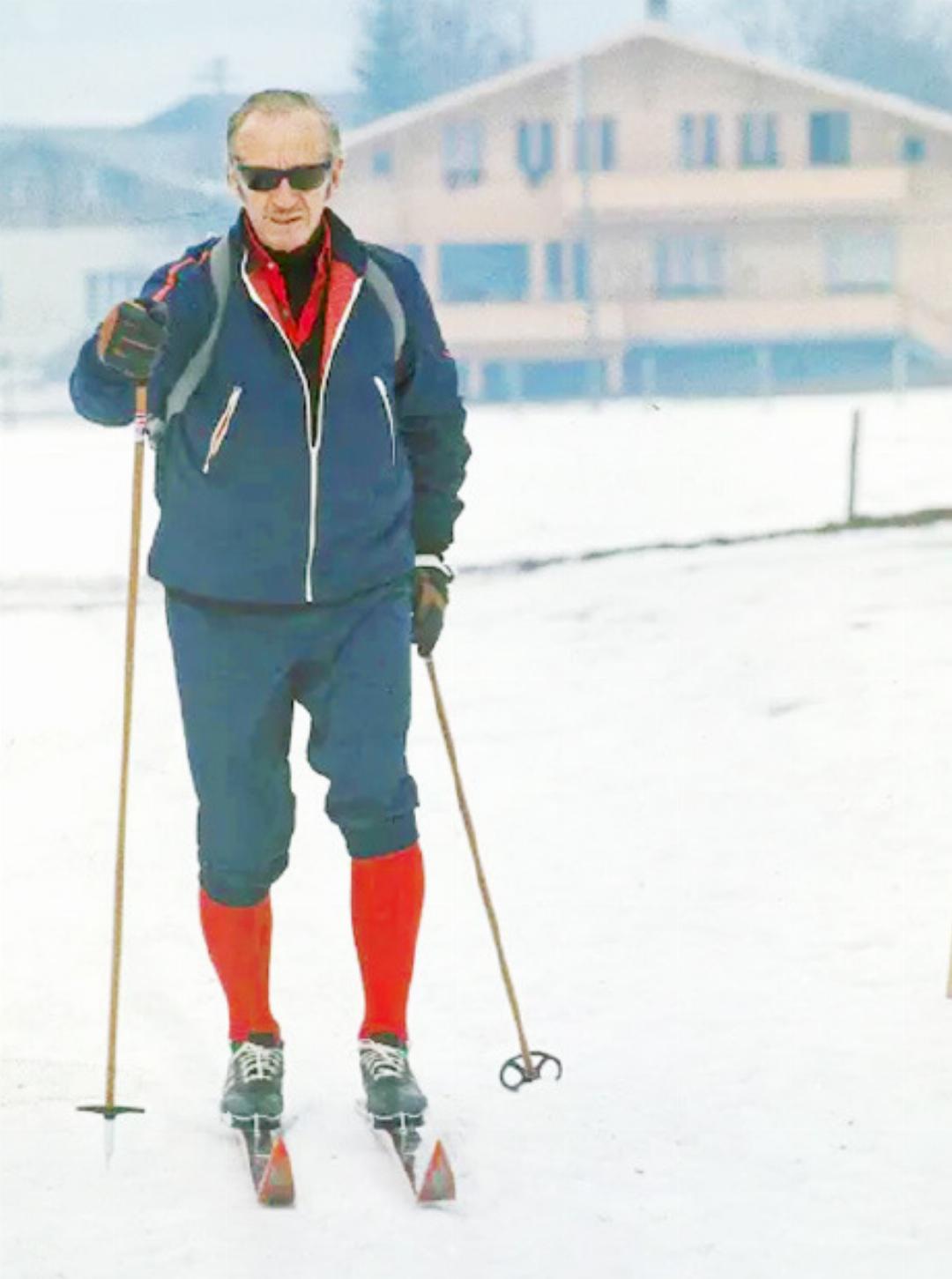
As these early activities flourished, skiing also began to gain momentum. In 1907, a group of locals and visitors founded Ski-Club Gstaad, organising outings and small competitions. The enthusiasm grew, even if equipment was rudimentary and the phrase “nerves of steel” likely describes the early technique better than anything else. By 1923 Gstaad had its first ski school which doubtless helped newcomers feel less intimidated.
The First “Funi”
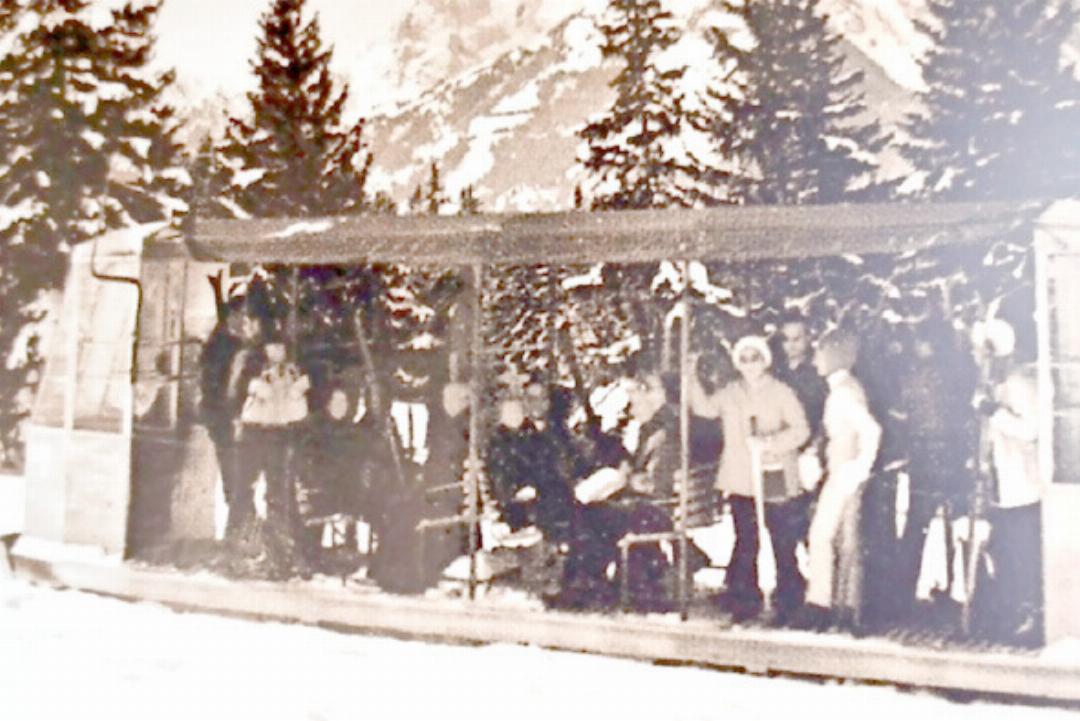
Mountain access improved through the 1930s and 1940s. The first simple lift, known as a “funi,” arrived in 1934. The Eggli funicular followed in 1938. Suddenly, reaching the slopes without a punishing climb became possible and skiing began to feel accessible to even more people, not just the fit and determined.
By the mid-century, Gstaad’s winter character had taken shape. Easy rail access, comfort-able hotels, ski lessons and mountain lifts all combined with the natural landscape which seemed made for the sport. The wide slopes and reliable winter conditions of the Saanenland naturally suited skiing and the sport grew year by year as infrastructure expanded and winter tourism slowly became part of the local economy rather than a seasonal experiment.
Style on Show
But winter here was never only about sport. Fashion and atmosphere also played a role. Winter in the Alps became something people wanted to experience and they wanted to look good while doing it. Old travel posters show elegant figures posing beside skis they may or may not have known how to use and early guests often appear dressed more for a formal outing than a mountain descent strapped to two pieces of wood.
As clothing became more practical and suited to the conditions, so too did the number of visitors willing to spend time on the slopes. In time the familiar après-ski style added a social and recognisable look to the season. Fur lined boots, patterned knits and bright colours became part of the experience.
Gstaad leaned into the social side of winter as naturally as it embraced skiing. The Palace and other grand hotels attracted guests who treated the season as a time to gather, dress well and enjoy mountain life whether or not they planned to ski.
Fashion did not create winter sports in Gstaad but it shaped how people experienced them. It made the season more visible, social and aspirational. Together with the new lifts, growing ski culture and improving access, it helped turn winter into something people travelled here for whether they hurtled down slopes or skated across the ice or not.
Many Small Steps
Winter sports in Gstaad emerged gradually as the region opened up, the population grew more mobile and visitors began returning in winter as well as summer. Over time people recognised that the valley’s location and terrain lent themselves naturally to winter activities and that infrastructure, habit and demand were getting stronger each year. What we now see as an established tradition was built step by step across several decades – a mix of sport, style and mountain life that grew into its own identity.
ANNA CHARLES