

Pampering - A red light glow at Le Grand Bellevue
23.01.2026 Lifestyle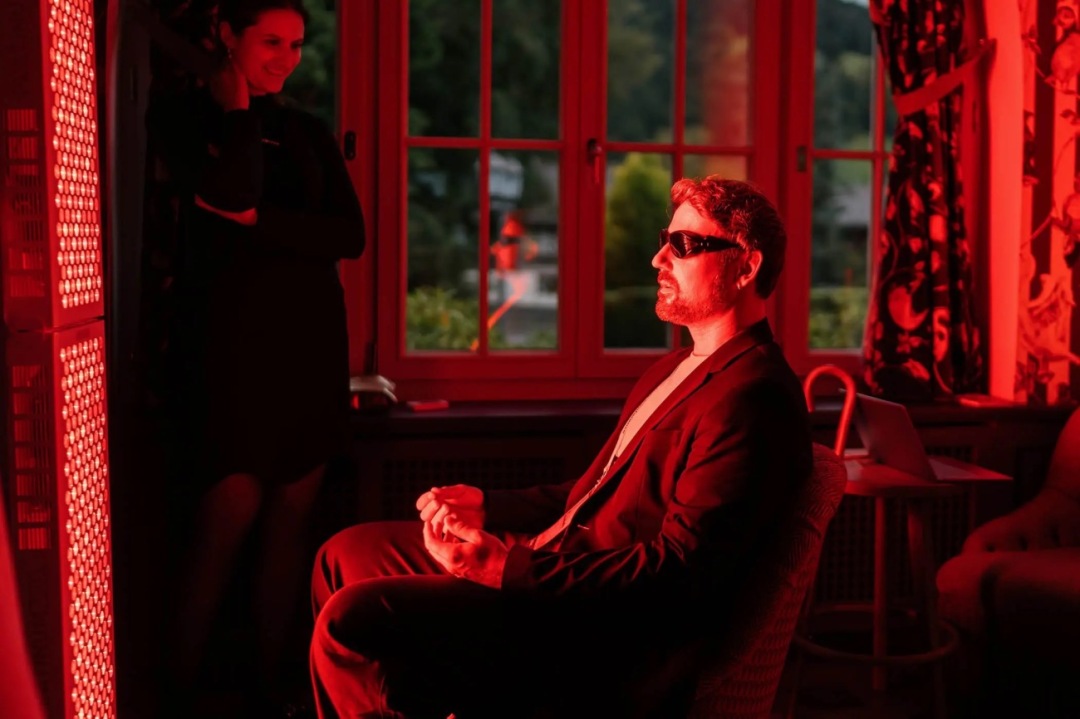
There’s a particular calm that sets in the moment you step through the doors of the Bellevue spa. The pace drops, voices soften, and the outside world stays firmly on the other side. I was invited for a 10-minute Brain Boost session, curious rather than convinced, and with just enough time ...
There’s a particular calm that sets in the moment you step through the doors of the Bellevue spa. The pace drops, voices soften, and the outside world stays firmly on the other side. I was invited for a 10-minute Brain Boost session, curious rather than convinced, and with just enough time to notice how beautifully the space does what a spa should do: ease you into stillness before anything else happens.
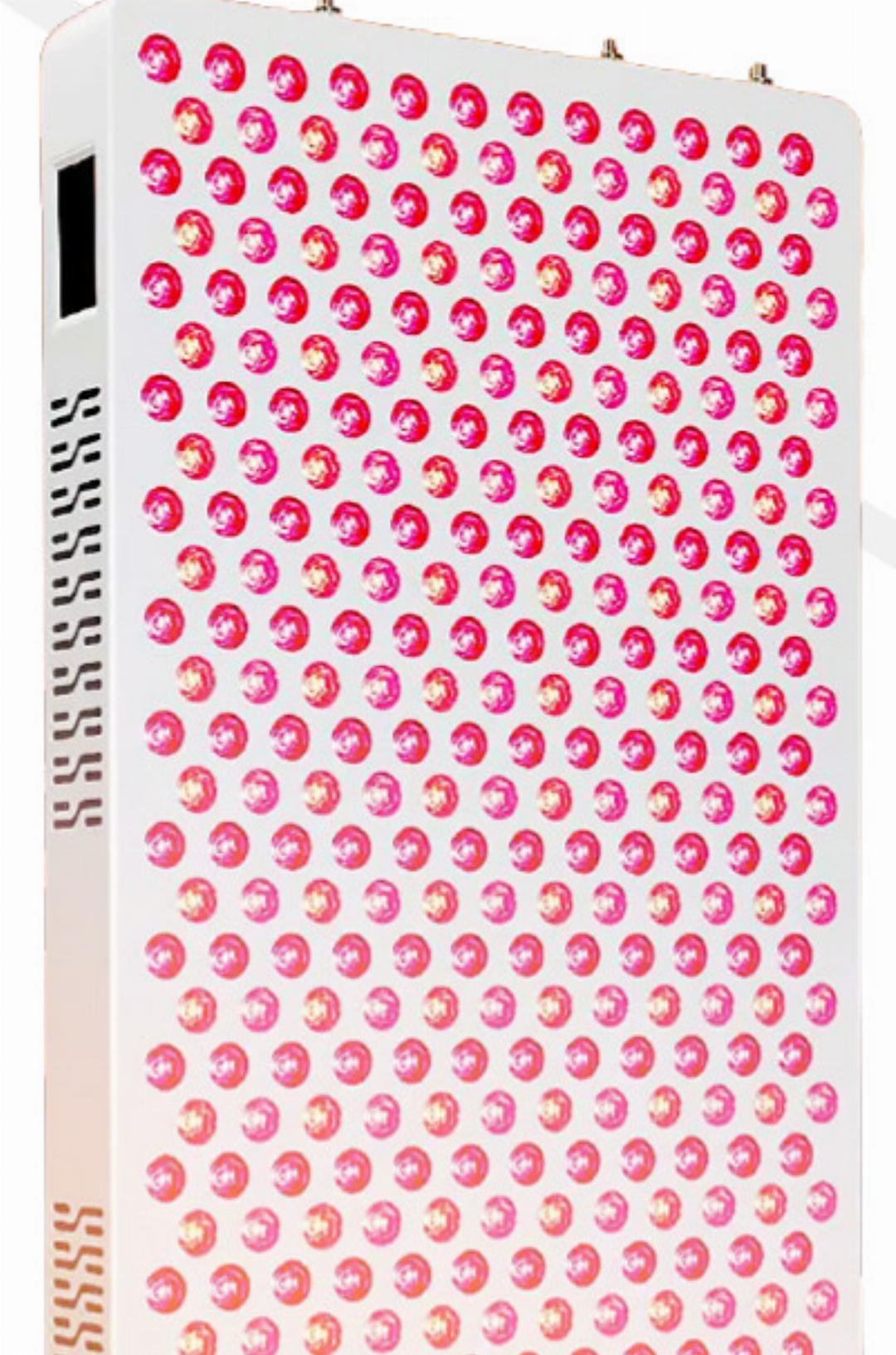
After a short introduction, I was led to a sleek, softly lit room lined with red-light panels. No futuristic theatrics, no wellness jargon thrown at you on entry, just a quiet explanation, a comfortable setup, and a gentle invitation to stand back and let the light do its work.
The session itself is disarmingly simple. You stand, eyes closed, as warm red and near-infrared light bathes the body. There’s no heat, no tingling, no effort required. Ten minutes pass quickly, yet when it’s over, you notice it. A subtle clarity. A sense of being more switched on, without the edge that coffee brings.
So, what’s happening in those ten minutes? In very accessible terms, red-light therapy works at a cellular level. The wavelengths used are thought to stimulate the mitochondria, often described as the power plants of our cells, helping them produce energy more efficiently. In longevity science, mitochondrial health is something of a quiet hero: when cells function better, tissues recover faster, inflammation may reduce, and cognitive processes can feel sharper. It’s not about instant transformation; it’s about gentle optimisation.
The Brain Boost session focuses on mental clarity and focus, but red-light therapy is also associated with muscle recovery, improved sleep quality, skin health, and overall resilience, reasons it has quietly found its way into elite sports, biohacking circles, and now, increasingly, thoughtful spa menus like the Bellevue’s.
What I appreciated most was the lack of overstatement. This isn’t presented as a miracle cure or a life overhaul. It’s a modern addition to the wellness toolkit: efficient, non-invasive, and surprisingly grounding. In Gstaad, where activity levels can run high and calendars fill quickly, ten minutes of doing absolutely nothing feels almost radical.
So does one session actually do anything?
Short answer: yes, but modestly.
From a scientific point of view, a single red-light session won’t “reprogram” anything, but it can create measurable, short-term effects. Studies show that even one exposure can temporarily increase mitochondrial activity, blood flow, and oxygen availability in tissues. Translated into lived experience, that’s why people often report: a mild lift in mental clarity, reduced tension, and a subtle sense of calm alertness That’s very much in line with how my
Brain Boost session felt: noticeable, but gentle. Think of it less as training for a marathon and more like a brisk walk, useful, but not transformational on its own.
What does the science say about frequency?
This is where expectations need adjusting. Most longevity and neuro-performance studies look at regular exposure, not one-offs.
The general consensus across clinical and sports-science research is: 2–4 sessions per week for cognitive or recovery benefits, with 10–15 minutes per session (longer is not necessarily better). Consistency matters more than intensity. Red-light therapy works by nudging cellular processes repeatedly, not by delivering a single dramatic hit.
So… is it worth doing at all?
Pragmatically? Yes, if you see it as part of a broader routine.
One session won’t change your life. But it can complement periods of high stress or mental load. It supports recovery during intense physical activity and finally and it slots neatly into a spa visit without demanding effort or downtime.
What makes the Bellevue setup particularly appealing is precisely that: low friction. Ten minutes. No recovery time. No “wellness performance” required.
My takeaway
Red-light therapy sits somewhere between indulgence and optimisation. It’s not spa theatre, and it’s not snake oil, but it is a long game. Best approached the way we approach movement, sleep, or good nutrition: small, repeated inputs that add up quietly over time.
For a one-off spa visit, it’s a pleasant and slightly energising addition. For those chasing cognitive resilience or longevity benefits, its consistency, not novelty, that does the heavy lifting.
JEANETTE WICHMANN
I visited the spa at the courtesy of Le Grand Bellevue. For further information and prices, please contact them directly on 033 748 00 00