

Homayra Sellier - Breaking the Silence
04.09.2026 Profile
For 27 years, the Saanen resident and founder of Innocence in Danger has fought to bring sexual violence against children out of the shadows. Is society finally ready to listen?
In Gstaad, Homayra Sellier is a familiar figure. A longtime Saanen resident, she is also the driving force ...
For 27 years, the Saanen resident and founder of Innocence in Danger has fought to bring sexual violence against children out of the shadows. Is society finally ready to listen?
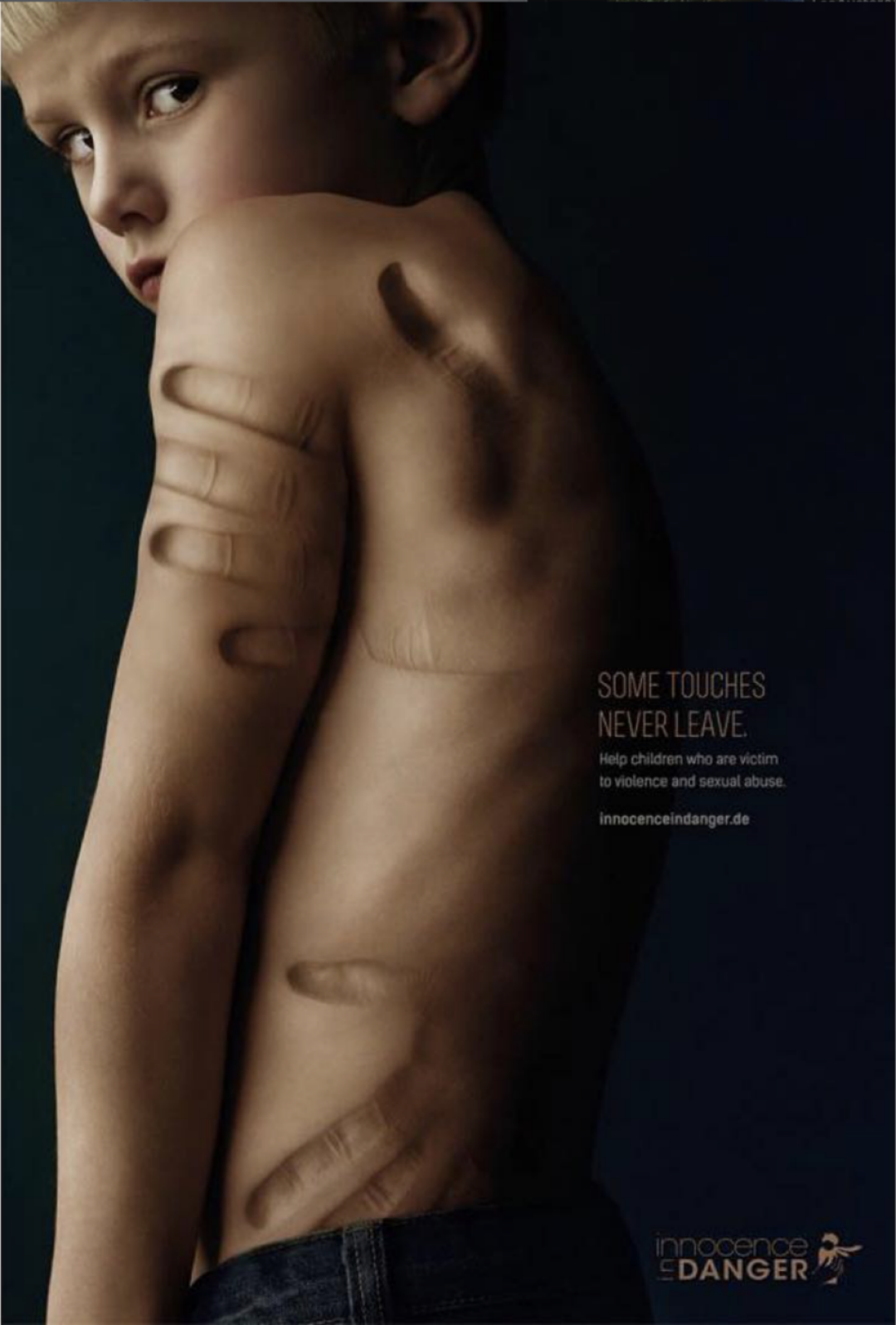
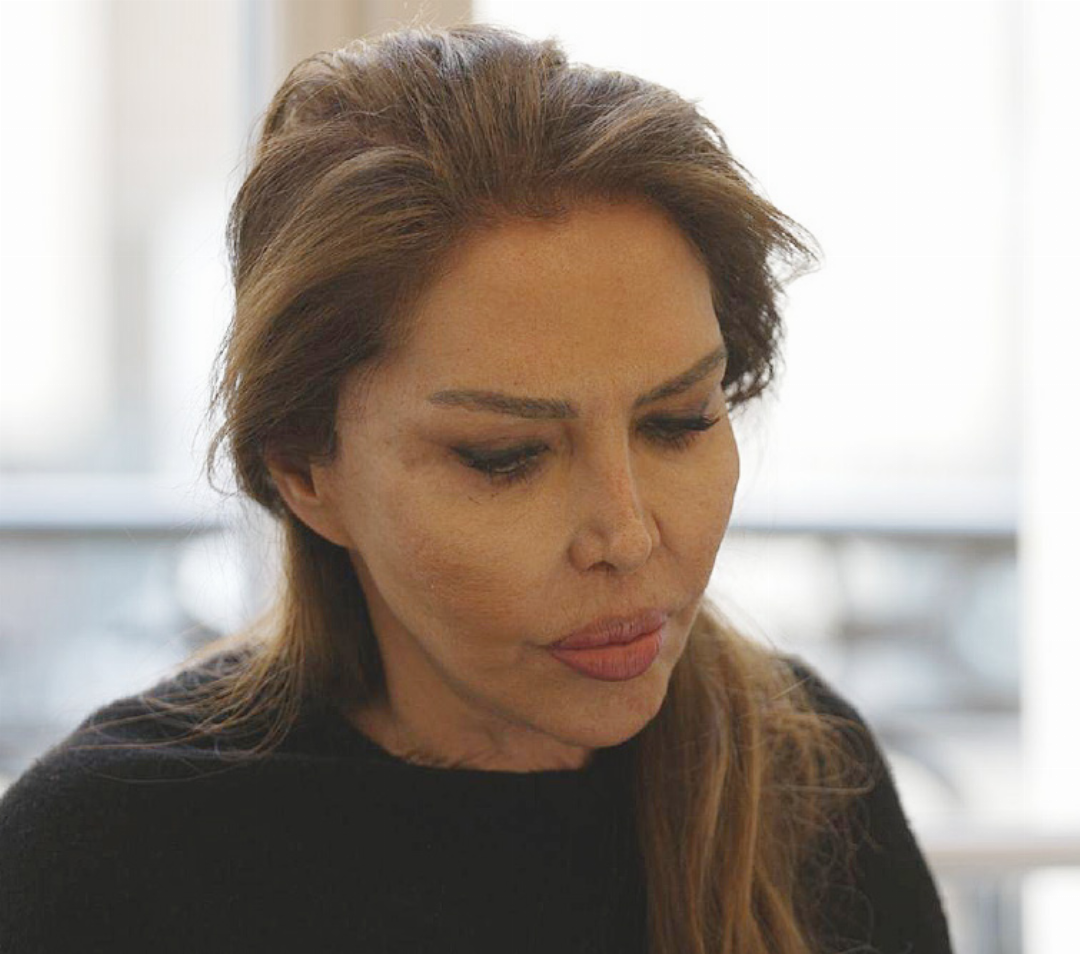
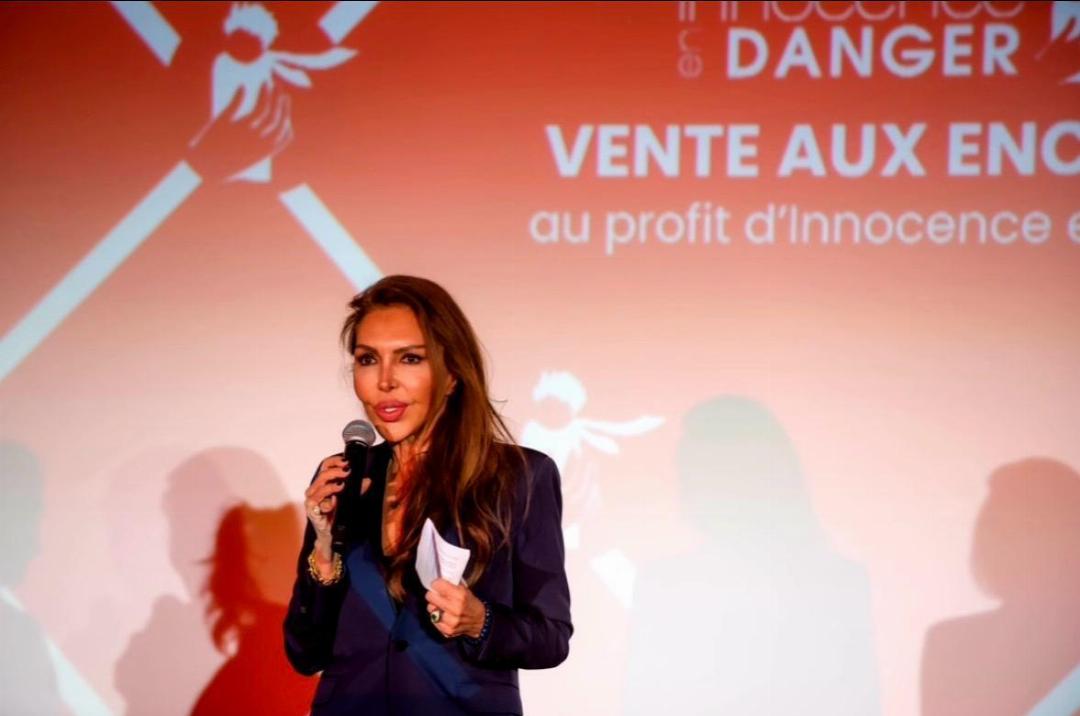
In Gstaad, Homayra Sellier is a familiar figure. A longtime Saanen resident, she is also the driving force behind Innocence in Danger, the organisation she founded in 1999 to protect children from sexual violence and exploitation.
Each year, Sellier brings together friends, supporters and members of the Gstaad community for a major fundraising event for the organisation. It is perhaps the most visible local expression of a mission that, behind the scenes, deals with some of the most difficult realities imaginable: helping children and their families through legal proceedings, providing therapeutic support and pushing institutions to act.
For Sellier, this work has been her life’s mission for the past 27 years. She has been involved in some of the most high-profile cases concerning sexual violence against children and has consistently argued that the subject belongs in public debate rather than behind closed doors.
Recent cases in France have brought renewed attention to the scale of the problem. They include allegations of sexual assault connected with extracurricular activities and the rape and murder this spring of Lyhanna, an 11-year-old French schoolgirl. Her alleged attacker had previously been the subject of a complaint for sexual assault against minors but had never been questioned. More than 60,000 people, most of them women, subsequently took to the streets across France to denounce failures within the justice system and demand greater protection for children.
With the issue receiving a level of public attention that campaigners have sought for years, we spoke to Sellier about whether children are finally having their own “Me-Too” moment – and what still prevents society from confronting the scale of sexual violence against them.
Is society finally becoming aware of the scale of sexual violence against children?
We can say that this moment is finally arriving, as long-silenced voices start to echo. For too long, victims hesitated, waiting for a society willing to embrace empathy and healing before stepping forward. Now, as each brave confession unfolds, the true magnitude of this phenomenon becomes impossible to ignore. Some are outraged and want to act and make a difference. Yet, there are those who choose silence and do not feel concerned. But the tide is shifting – and with it, the hope for change begins to rise.
Innocence in Danger has been involved in several cases that have recently made headlines. What action is the organisation taking?
Innocence in Danger has filed a lawsuit before the Judicial Court of Paris against the French State for “denial of justice” in the French strand of the Jeffrey Epstein case. Our association denounces what it describes as glaring inertia, excessive delays, and a lack of transparency in the investigation opened in Paris in August 2019 following its own reports to the Public Prosecutor concerning the French connections of Epstein’s network. Innocence in Danger has recently joined several cases as a civil party involving sexual assaults in the context of extracurricular activities.
The French press has spoken of a “Me-Too for children”. Why has it taken almost a decade longer than the Me-Too movement concerning sexual violence against women?
Because children need someone to relay their voices. We must not forget that a child does not necessarily know when something illegal is happening to them. Abusers use strategies to make children believe that what they are experiencing is normal. They can also make their victims believe that their loved ones will be harmed if they speak out. So, a child does not know what to do. If a child does not have someone who can bring the Me-Too movement to them, they may not be able to access that idea on their own.
Women made up the majority of demonstrators in France and are also strongly represented in organisations working in this field. Why are men less visible?
Male victims generally take longer to speak out. They face social pressure linked to expectations of masculinity. Several wonderful men provide this cause with their support. But more generally, I want to say to men that they were also children, they are fathers, brothers, and that we need the whole of society to move this cause forward.
Despite the recent revelations, many people still struggle to comprehend the scale of the problem. What do you see through the work of Innocence in Danger?
Within the framework of Innocence in Danger, we deal with between 300 and 400 new cases each year, which we refer to the justice system. These cases can involve as many as 1000 children. Why? Because when the abuser is, for example, a piano, tennis, or ski teacher, a school bus driver, or a leader of extracurricular activities, these people will not stop at just one victim when they have access to large numbers of children. More recently, in the context of extracurricular activities in France, for every parent who comes to our association seeking help, there are 10, 15 or 20 children in the same situation. It is a real pandemic. According to a survey by the Council of Europe, one in five children is a victim of sexual violence. Although Switzerland is not a member of the European Union, Switzerland is a member state of the Council of Europe, and in any case, this violence does not stop at borders.
Does the subject remain particularly difficult to discuss in Switzerland?
I have lived in Switzerland for several years, and I can say that journalists are not very interested in covering these issues. I am aware that journalistic ethics in Switzerland are strict regarding the publication of names and follow-up on legal cases, but this is the same as in any other country. But that does not prevent articles from being written, if only to raise public awareness. For me, this is a real issue. A talented journalist can perfectly well report on a case while guaranteeing the anonymity of the people involved. Sexual violence is not a private or interpersonal matter. It is a matter of public interest.
Why is it a matter of public interest rather than solely one of protecting individual victims?
Many victims manage to rebuild their lives thanks to their resilience and, in particular, through support provided by programs designed for this purpose, run by Innocence in Danger or other organizations. However, the cost of this violence to society is enormous. Because of the trauma they have suffered, some adults simply cannot work in the same way as someone who has not experienced such trauma. Some victims sometimes go on to reproduce the violence they suffered; a certain number become offenders, take drugs, fall into prostitution, or experience health problems. The consequences therefore come at a significant economic and human cost, as well as representing a profound loss to society as a whole. Numerous studies demonstrate that investing in comprehensive support for child victims’ costs far less than dealing with the longterm consequences of untreated trauma.
For readers who feel overwhelmed by the scale of the issue, where does meaningful action begin?
It is a serious and difficult subject, but we must not be afraid to face reality. Taking action means deciding what kind of future we want for our society and for those close to us. Predators are found in all socio-economic backgrounds, regardless of skin colour or religion. In other words, it can unfortunately happen to anyone, anywhere and at any moment. An alert and vigilant society can react more quickly when a child has been a victim. The first thing is to listen to children. We know that the earlier a child receives appropriate support, the greater their capacity for resilience will be.
The organisation holds resilience stays in Switzerland. What happens during these programmes?
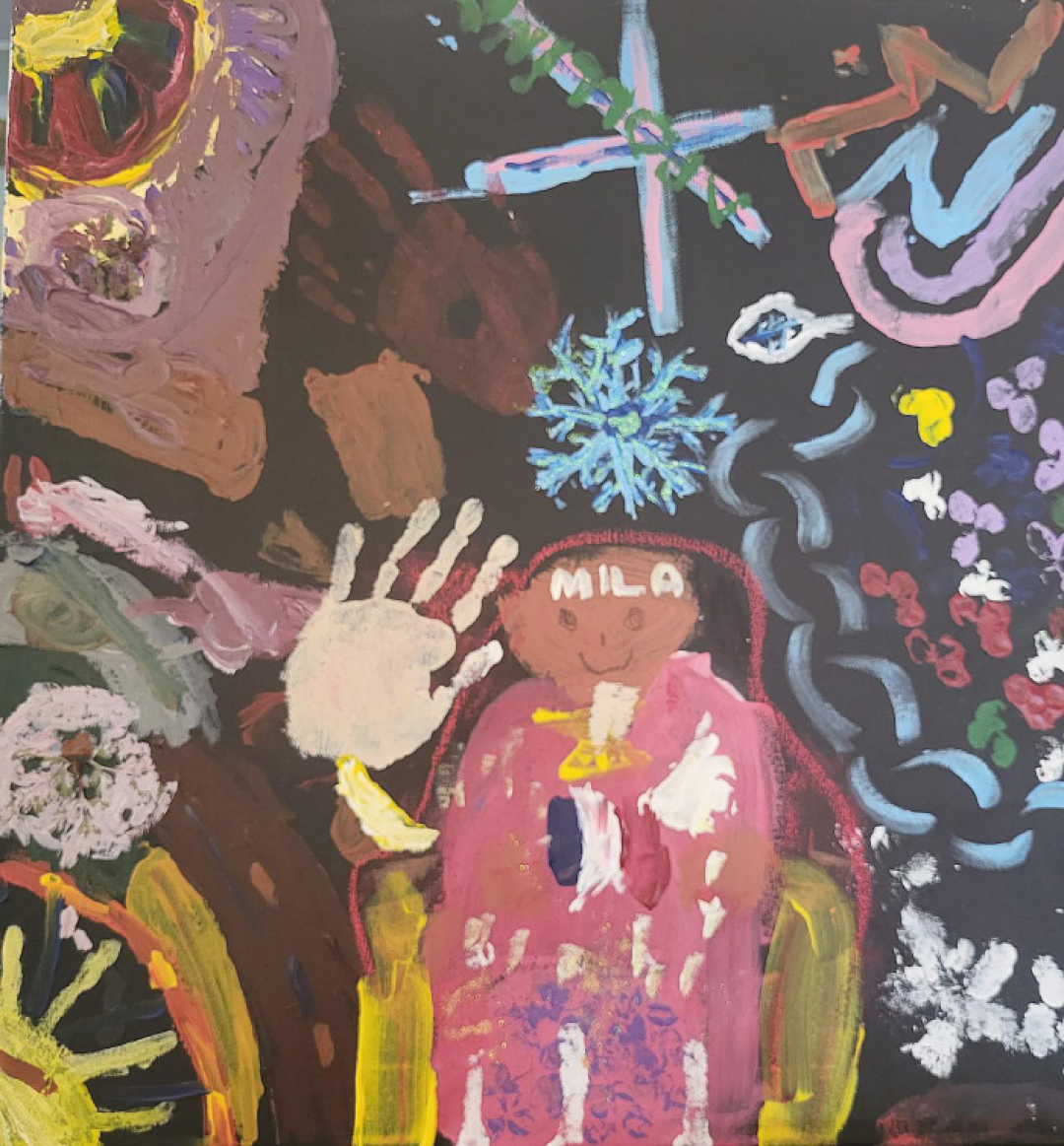
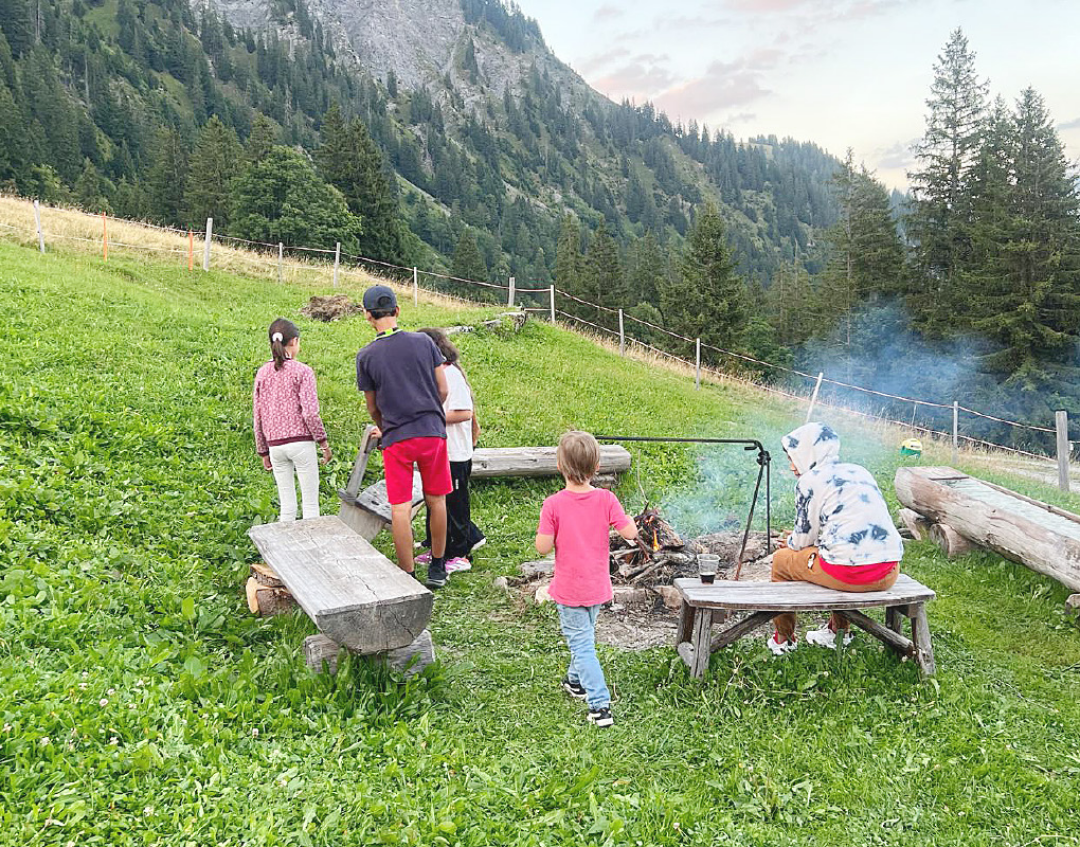
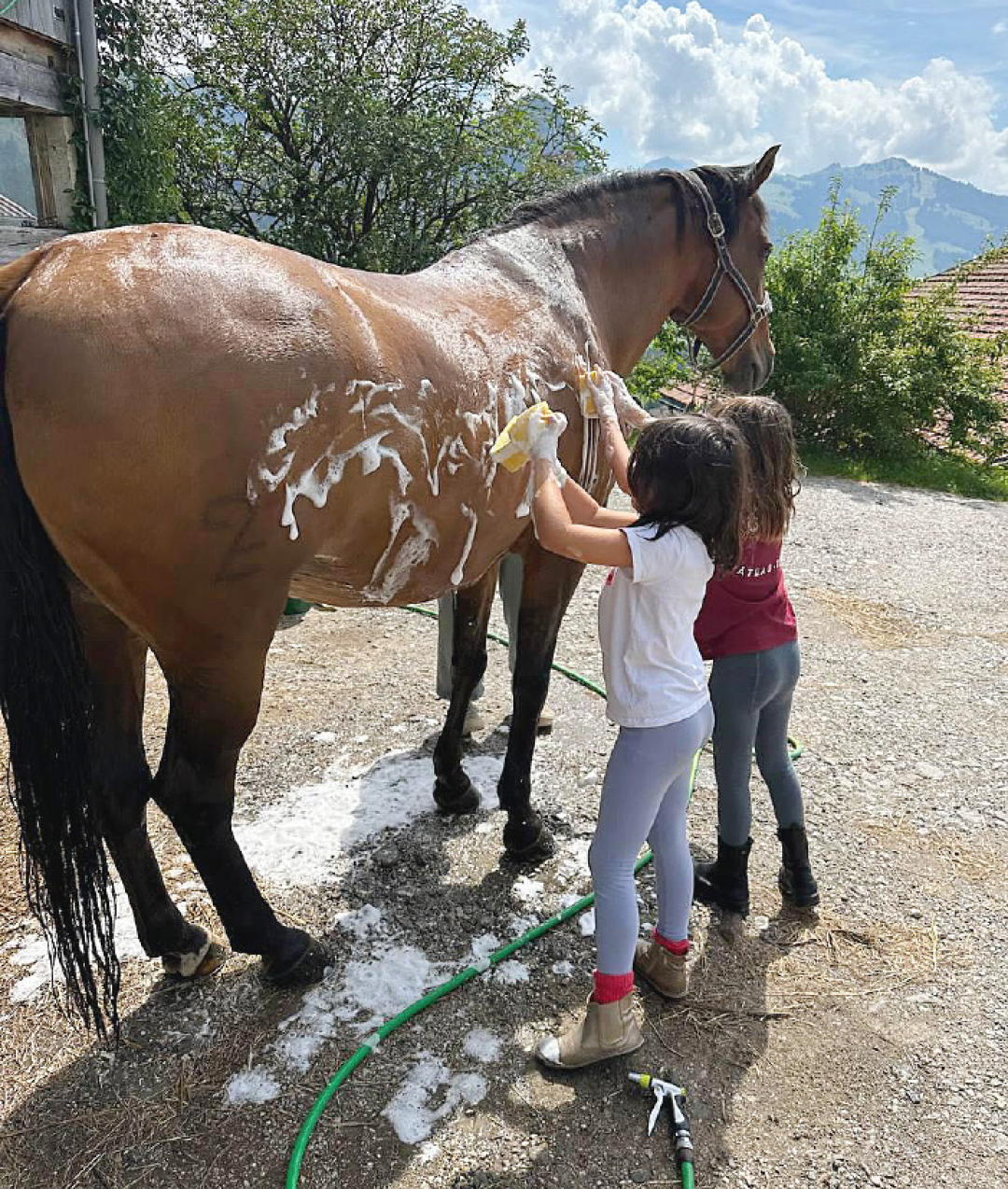
Every year, we welcome a few dozen children whom we have accompanied and supported through legal proceedings. During that week, they are accompanied by recognized professionals and therapists. We support children and their parents beyond the legal aspects, accompanying them on their journey towards healing and rebuilding trust. We offer a range of activities, including equine therapy, art therapy and self-defence, as well as recreational outings such as bowling and excursions. The aim is to help children reconnect with their carefree nature, rebuild their confidence and understand that they do not have to remain victims for life. Since its creation, the association has welcomed more than 5000 children who have been victims of sexual abuse to its therapeutic stays. A rigorous scientific study was conducted in Germany at the University of Koblenz. It assessed the positive impact of Innocence in Danger’s resilience programs and confirmed their therapeutic benefits.
What are the new challenges in the fight against sexual violence against children?
For several years now, we have been confronted with cyber grooming. Predators use online games and social media platforms such as TikTok, Instagram and Fortnite to approach and manipulate children under false identities for the purpose of sexual abuse. The misuse of photos to create sexually explicit deepfakes is also a growing scourge. I really encourage parents to refrain from posting photos of their children on social media.
MARY MEYER
INNOCENCE IN DANGER
Founded by Homayra Sellier in 1999, Innocence in Danger works to protect children against all forms of exploitation, including sexual abuse and the trafficking of minors. It is active in France, Switzerland, Colombia, Germany, Luxembourg and the United States.
The organisation provides legal support to victims and their families through a helpline offering legal advice, case reviews, victim identification, assessment of possible legal action and referrals to specialised lawyers. It also provides therapeutic support, including resilience stays for children it has accompanied through legal proceedings.
WANT TO HELP?
Innocence in Danger supports children and families through legal proceedings, therapy and long-term recovery. To find out more about its work or make a donation, visit innocenceindanger.ch