

Hello Betty
05.12.2025 Traditions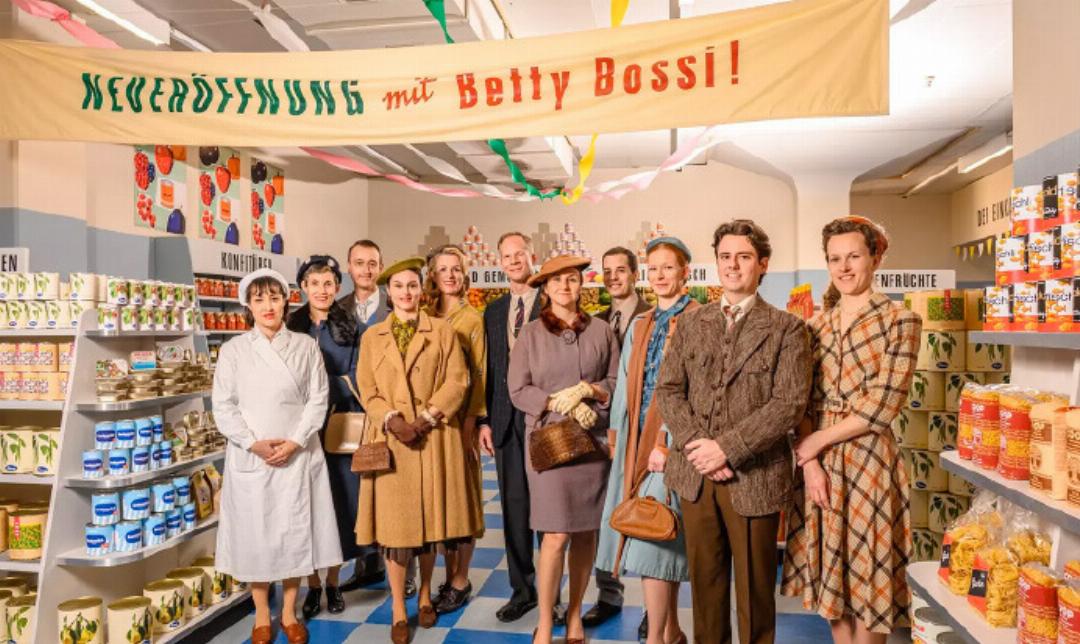
How a fictional housewife became Switzerland’s most famous cook
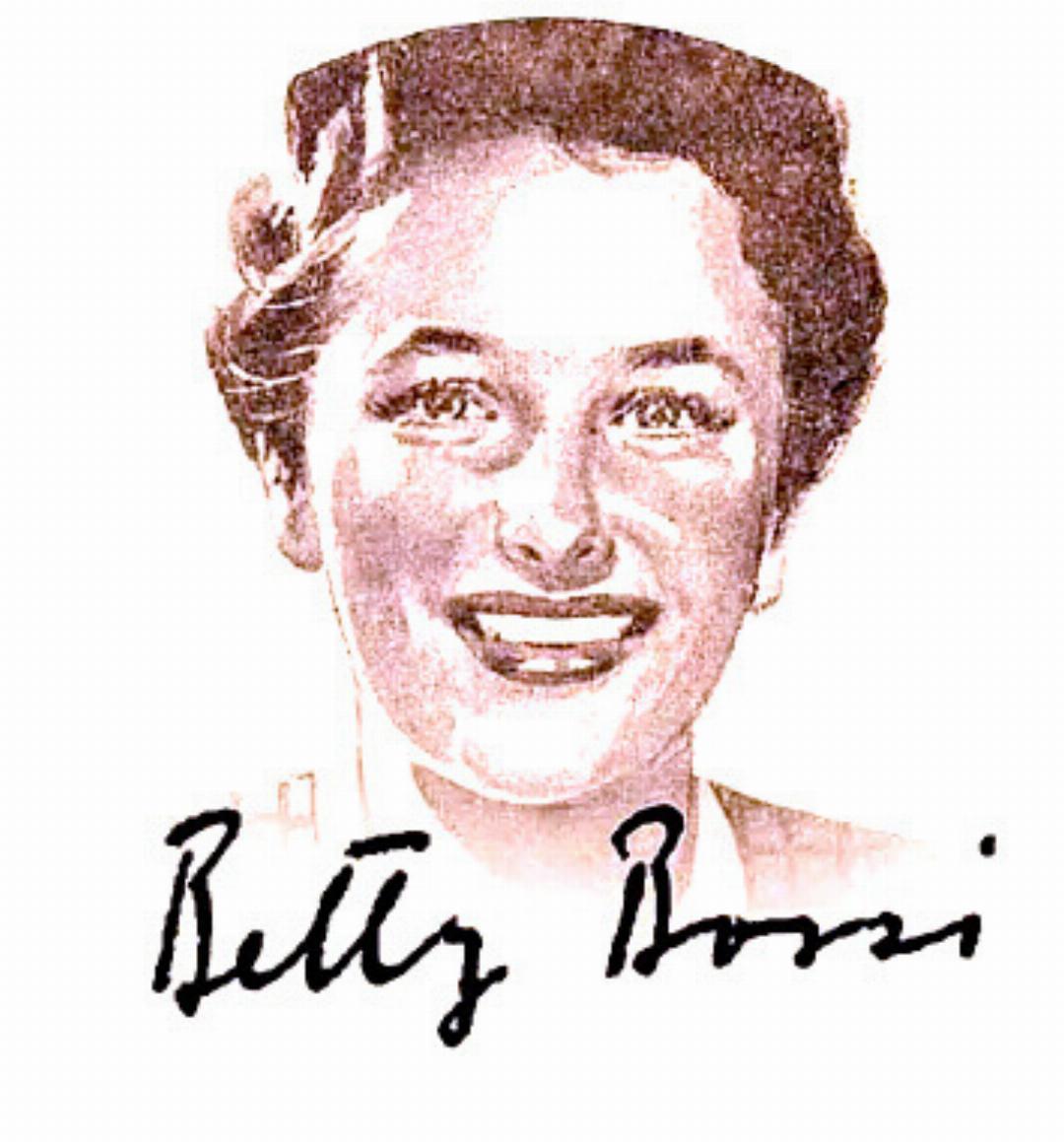
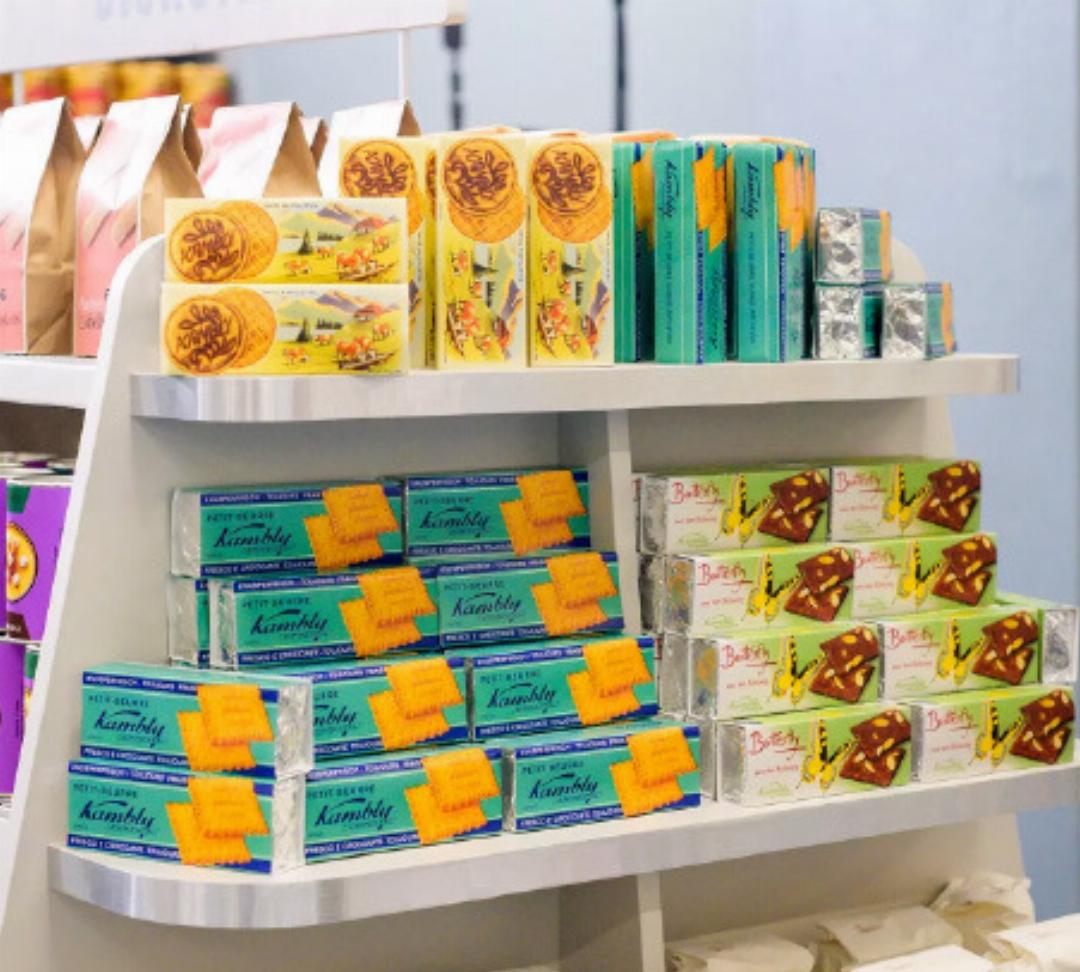
If you’ve ever browsed the shelves of Migros or Coop during your chalet stay, chances are you’ve seen the name Betty Bossi. Her cookbooks, ready-made pastries, and brightly branded kitchen gadgets are as Swiss as fondue and punctual trains. Yet few visitors, and even many locals, know that Betty herself never existed. She was invented.
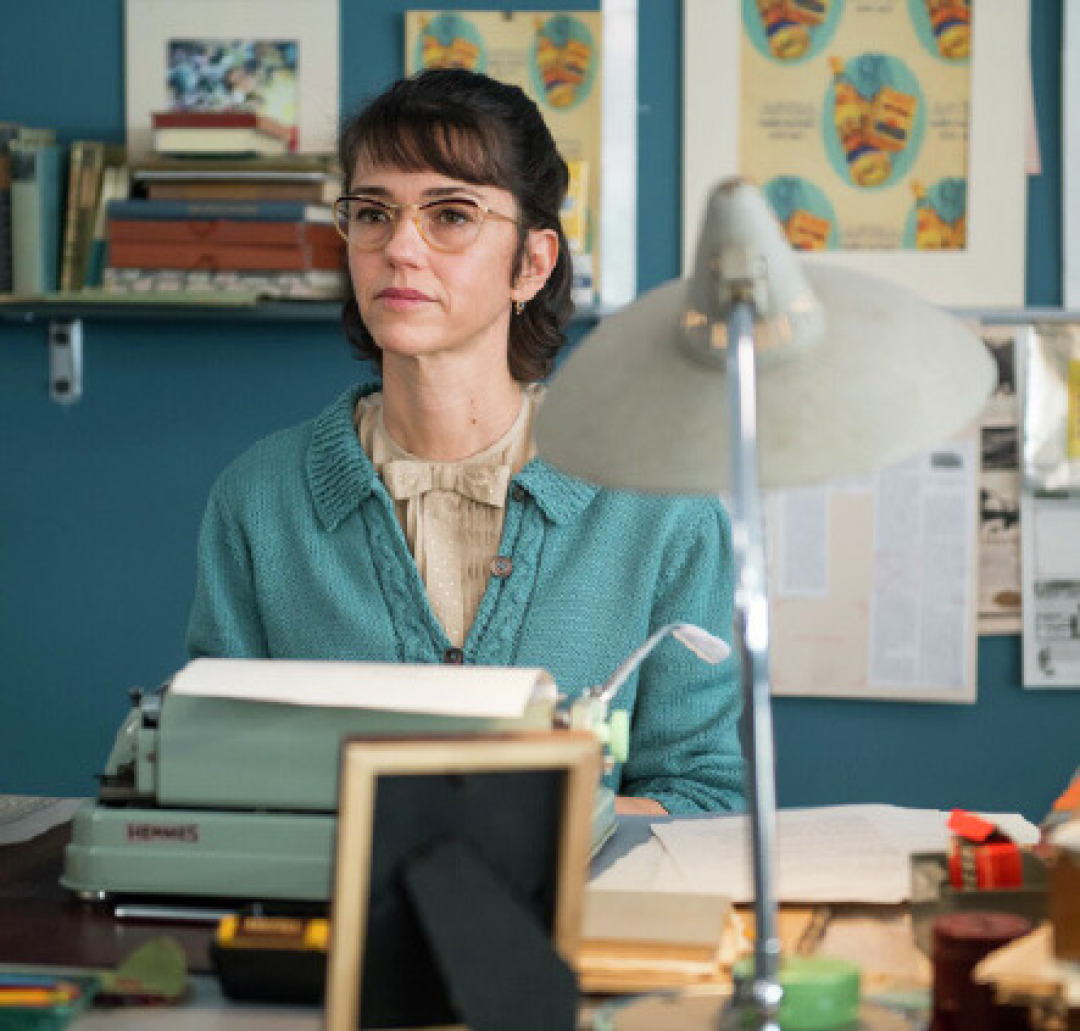
This winter, a new Swiss film,“Hallo Betty”, brings that story to life. Set in the 1950s, it follows copywriter Emmi Creola, a bright but overlooked woman working in advertising at a time when “good ideas” were generally assumed to come from men. When her customer, a cooking-oil manufacturer, needs a fresh way to reach Swiss households, Emmi creates a fictional character: a modern, friendly and trustworthy kitchen expert named Betty Bossi.
Betty becomes an instant hit.
As Swiss housewives begin to rely on Betty for tips, recipes, and household advice, Emmi finds herself facing a dilemma familiar to anyone who has ever created something wildly successful: the creation becomes more famous than the creator. Her fictional alter ego is celebrated as the competent authority she is never allowed to be in real life.
Like a Swiss slice of “Lessons in Chemistry”
The film resonates strongly with today’s audiences because the themes are universal. Like Lessons in Chemistry, it follows a talented woman who must navigate a world that is not yet ready for her ambitions. And like Mad Men, it offers a stylish, sharply observed look inside mid-century advertising, cigarette smoke, men in suits, typewriters clacking, and a woman with better ideas than the men around her.
But Hallo Betty also adds something distinctly Swiss: the slow, steady rise of a brand that would become part of everyday life.
In the decades that followed, Betty Bossi cookbooks became national bestsellers, shaping how generations learned to cook. Today the brand is owned by Coop, but the friendly, helpful Betty, the imaginary woman created by Emmi Creola, remains unchanged in spirit.
Why do chalet guests know the name, but not the story
Visitors to Gstaad and the Saanenland encounter Betty Bossi products constantly, from pre-rolled pastry dough to foolproof rösti mixes. The name suggests a real person, perhaps a Swiss Julia Child. In reality, she’s closer to a domestic superhero, designed, marketed, and brought to life by a creative woman who received little credit at the time.
The quiet revolution in an apron
Emmi Creola’s story is charming, funny, and at times bittersweet. It traces empowerment back to its modest beginnings, an idea committed to paper by a woman ready to claim her place.
So next time you reach for a Betty Bossi recipe while cooking in your chalet kitchen, remember: behind the smiling illustration is the real heroine, Emmi, who proved that even in the 1950s, women’s ideas could change a country’s kitchens forever.
JEANETTE WICHMANN