

GREENGO AT 55
23.01.2026 Lifestyle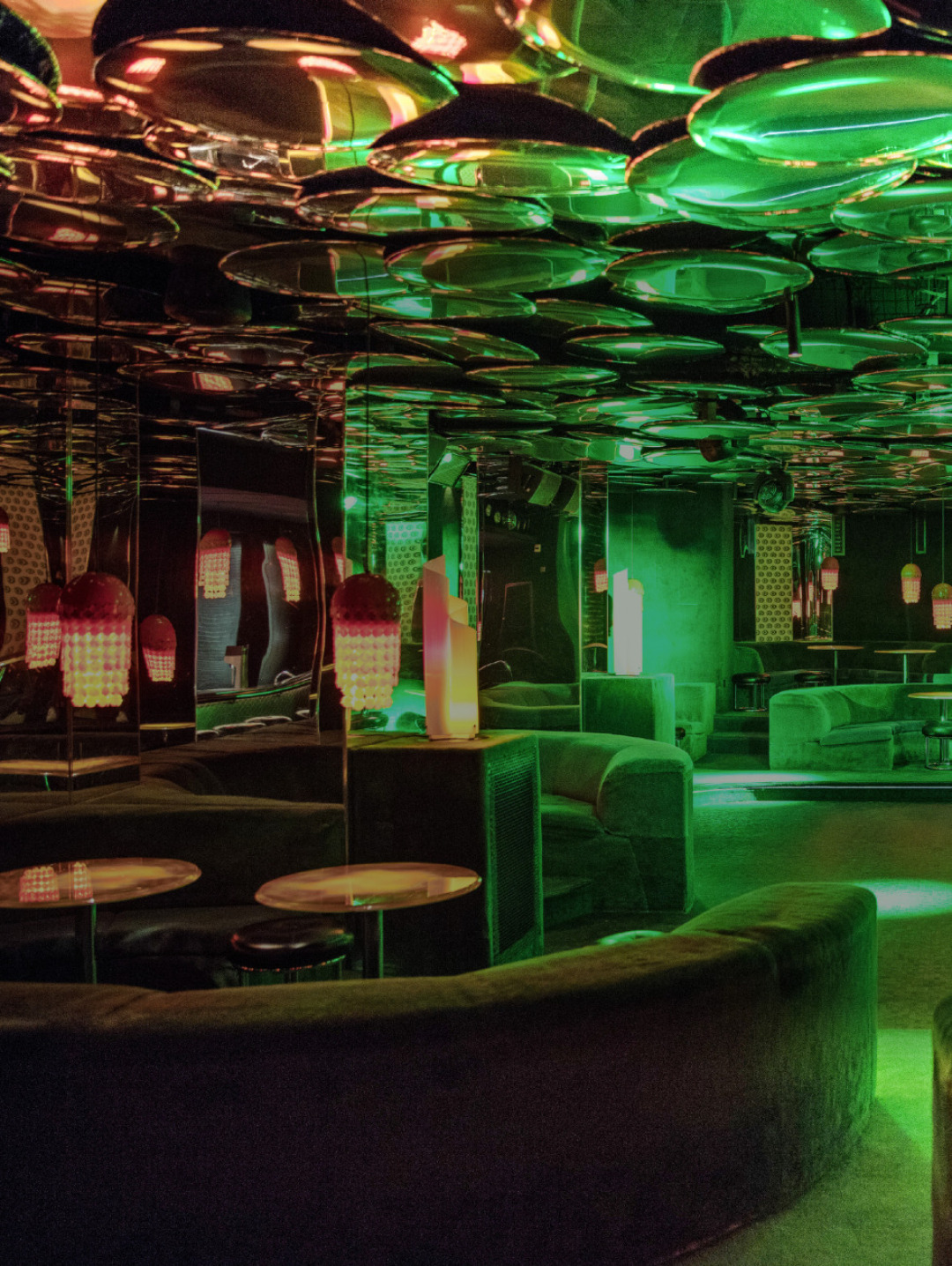
How Gstaad Palace’s nightclub continues to unite generations – without chasing trends
In 2026, GreenGo will turn 55. In the volatile world of nightlife, that is not just a milestone – it is an anomaly. Across Europe, ...
How Gstaad Palace’s nightclub continues to unite generations – without chasing trends
In 2026, GreenGo will turn 55. In the volatile world of nightlife, that is not just a milestone – it is an anomaly. Across Europe, clubs open, peak and disappear with predictable speed. Concepts age quickly, audiences move on, and what once felt electric can feel obsolete within a decade. Yet beneath the Gstaad Palace, GreenGo has quietly defied that cycle.
For Andrea Scherz, the reason lies less in strategy than in continuity – of place, of people, and of memory.
Where people return
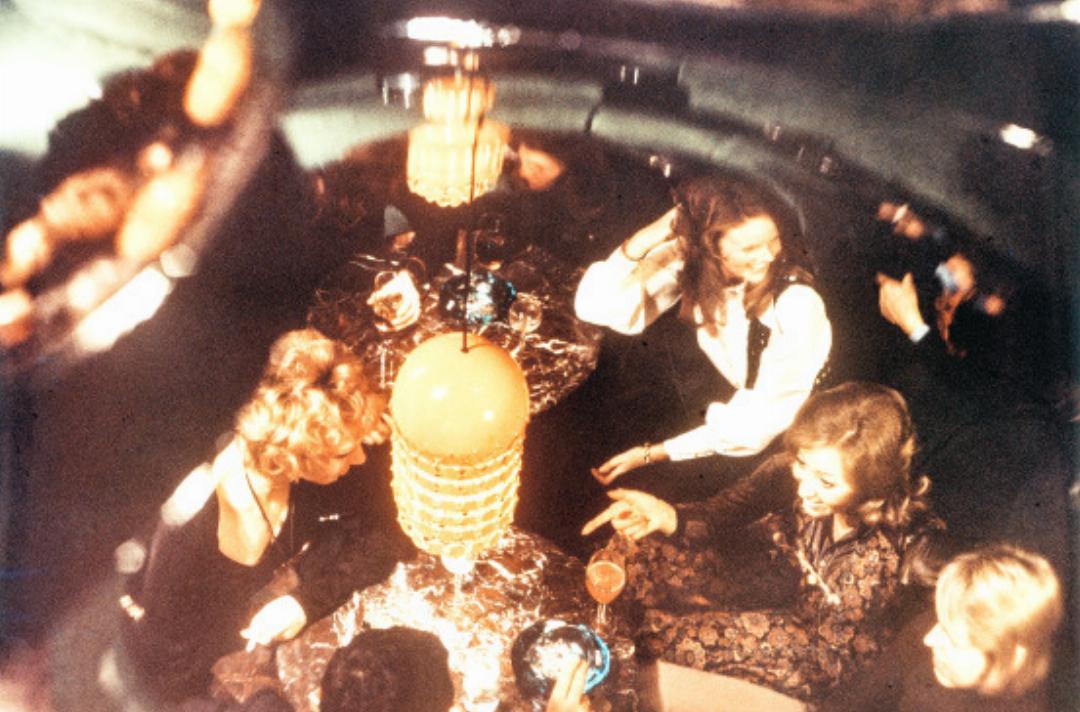
“There are many hotels that never survived 100 years,” he says. “What we have here is a very particular microcosm: the Palace, the chalet owners, the people who are attached to Gstaad. GreenGo holds an enormous amount of memories. I would love to know how many couples met here. How many had their first kiss here. How many came back years later.”
GreenGo’s story is inseparable from that of the Palace itself. Conceived in the late 1960s as part of a broader expansion that included the hotel’s indoor pool, the nightclub was never intended as a headline act. It was simply meant to complement the hotel, another layer of social life. “When my father built it, he had no idea how successful it would become,” Scherz recalls. “It was only later, in the 1980s, that it really expanded: when we added the dance floor over the water and invested more heavily in light and sound.”
A name found at the last minute
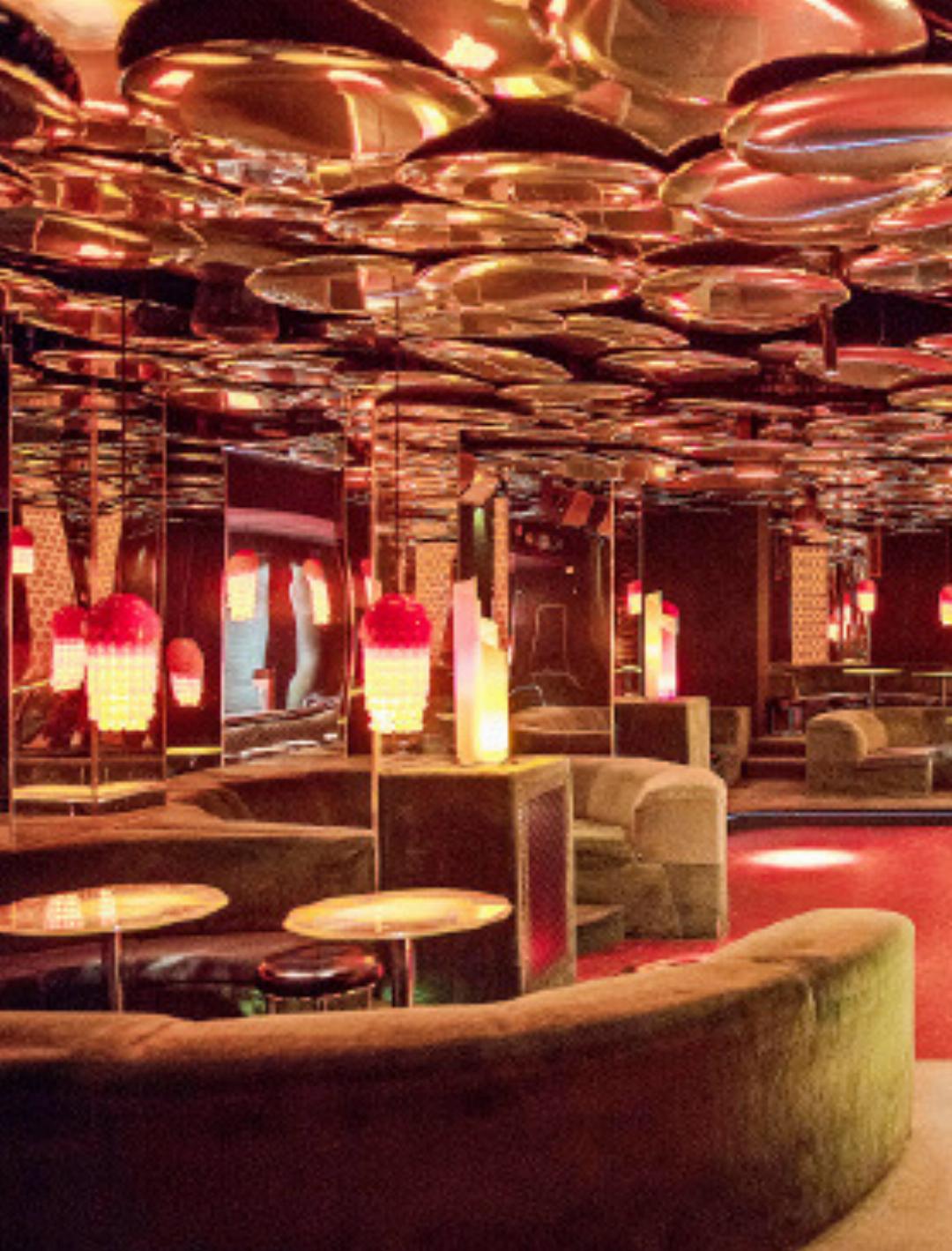
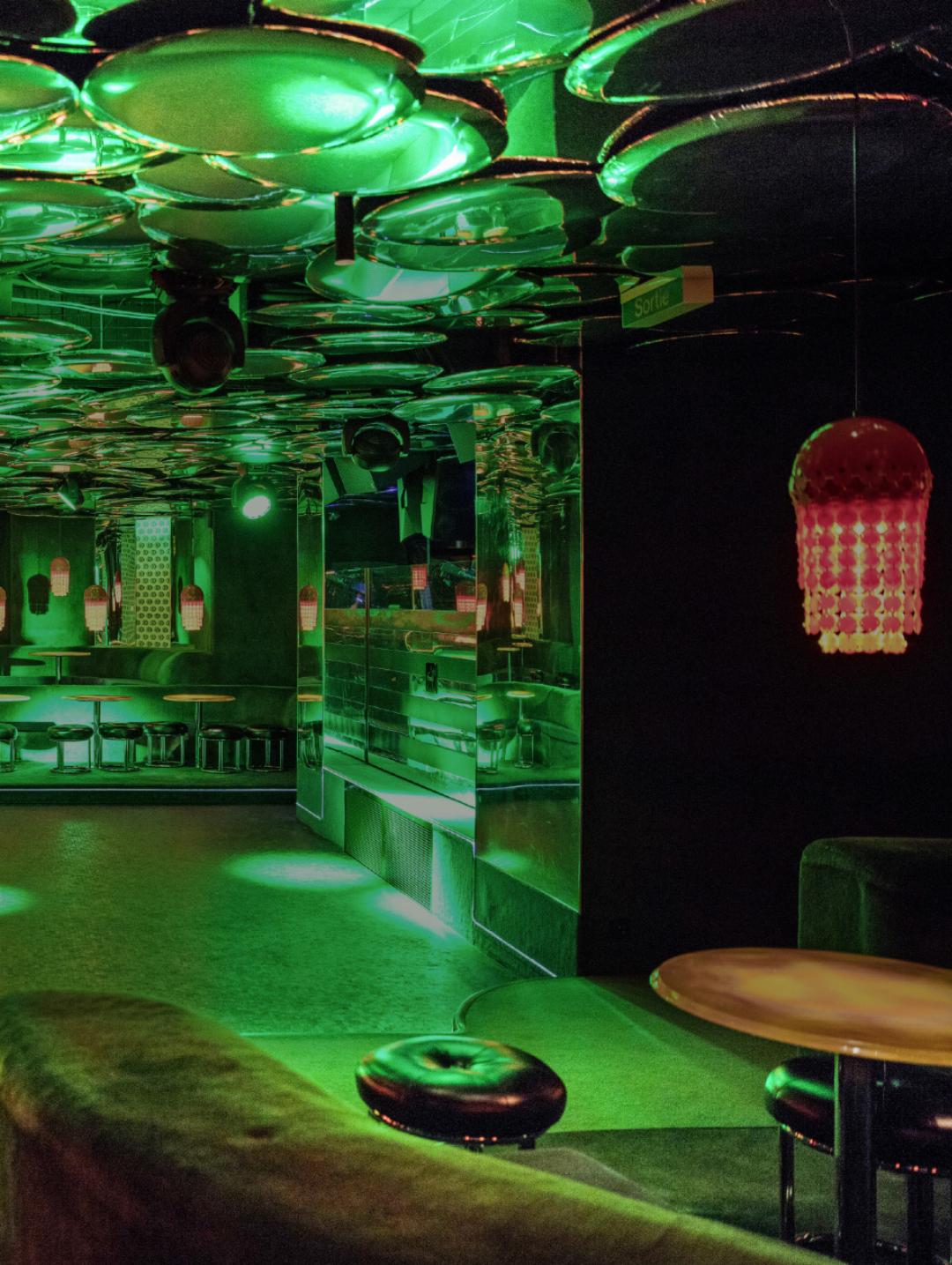
The name, too, came late in the process. Designed by Swiss interior legend Teo Jakob, the space was already finished when the question arose. “It was green everywhere,” Scherz laughs. “So Teo said, ‘Why don’t we just call it Green?’ My father replied, ‘Nice idea, but not cool enough. We need to make it more go-go.’ That’s how GreenGo was born.”
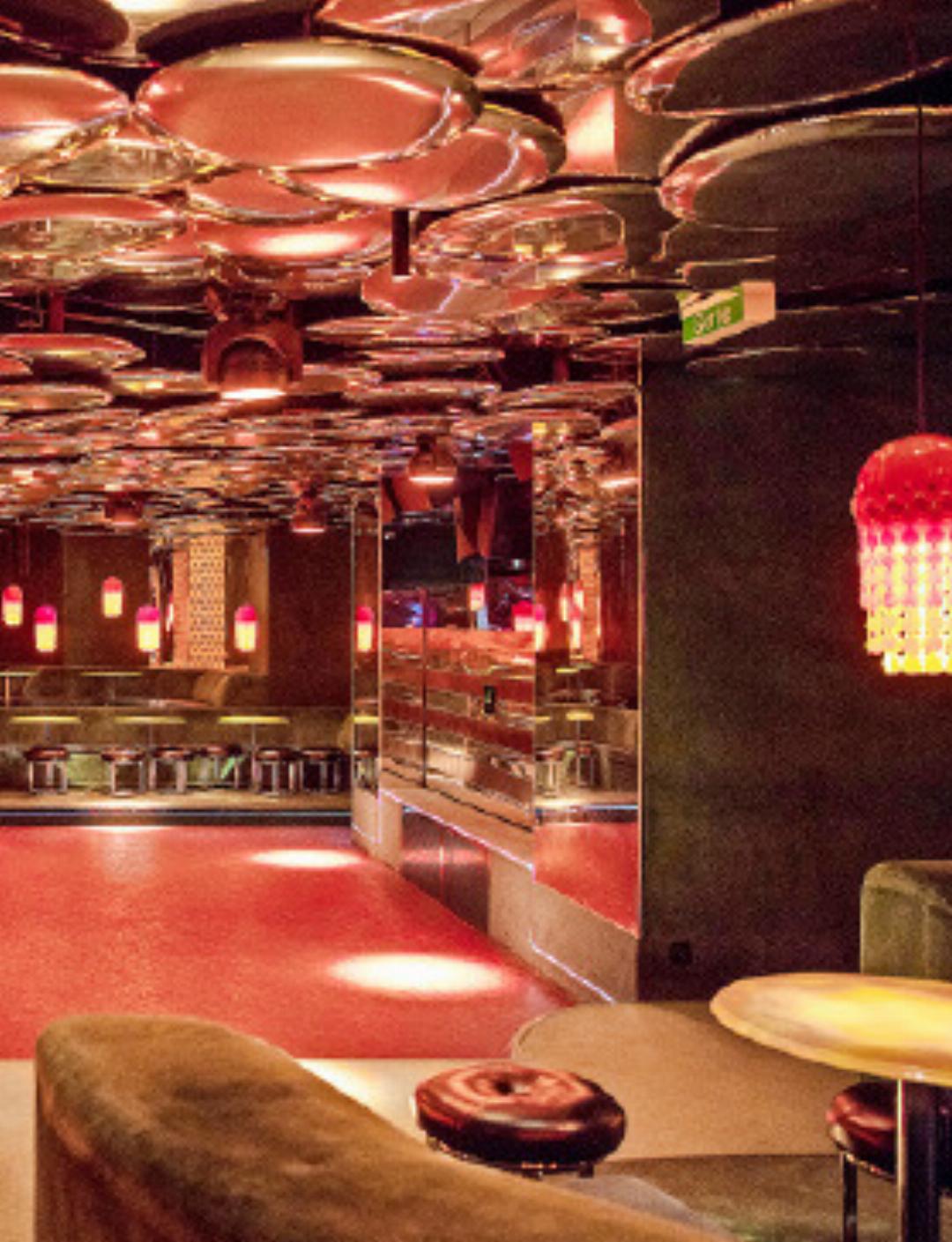
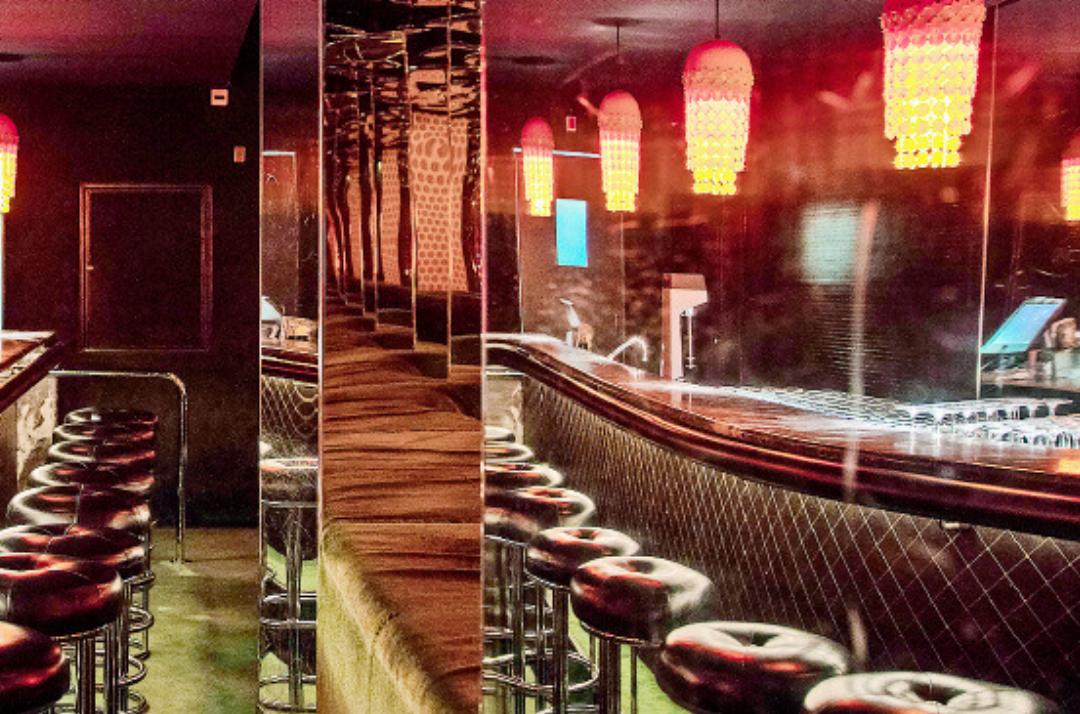
That slightly playful duality, classic but never stiff, still defines the club today. Twice fully refurbished from A to Z, GreenGo has resisted the temptation to modernise itself out of recognition. Its original design language remains intact, down to the painstakingly recreated lamps inspired by Paco Rabanne’s metal dresses. “It would have been much easier to replace them,” Scherz says. “But we decided to rebuild them exactly as they were. It’s part of the DNA.”
One dancefloor, many lives
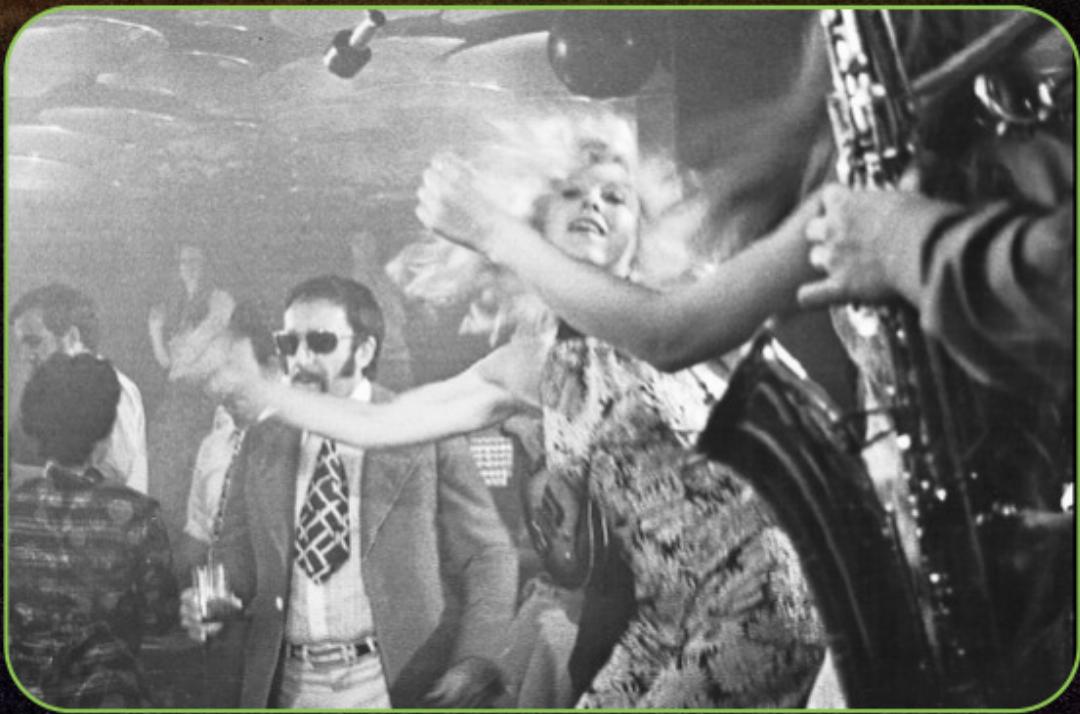
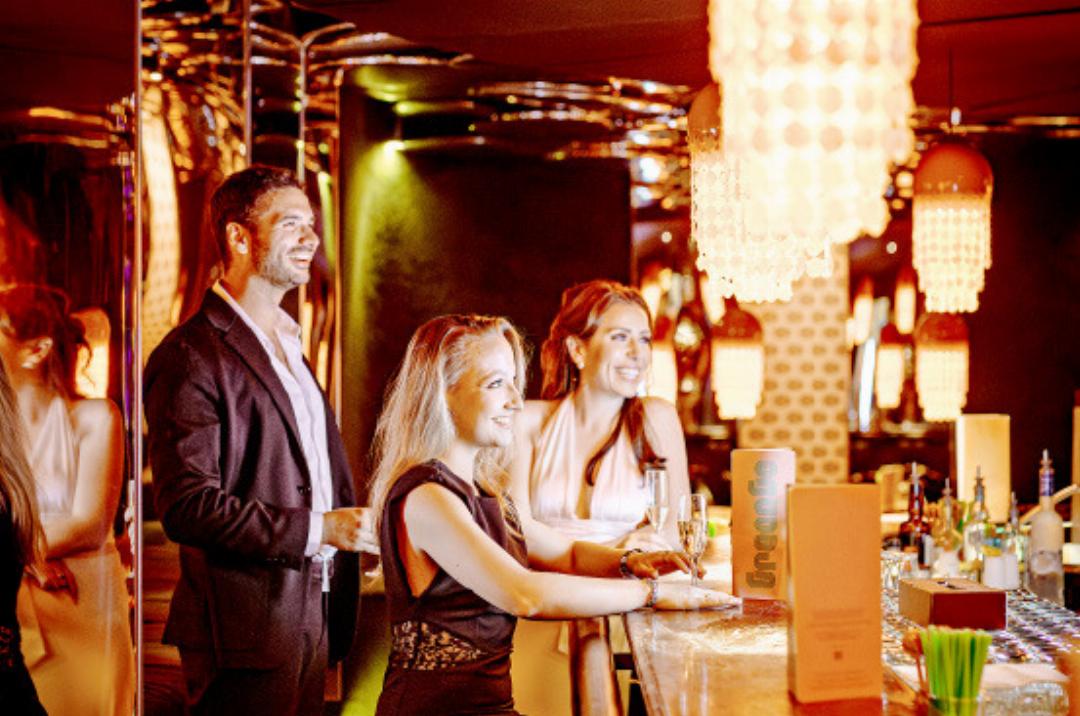
What truly sets GreenGo apart, however, is not its décor but its audience. On any given night, guests aged 18 to 80 share the same dance floor, often quite literally side by side. “You sometimes see mother and daughter dancing together in front of the DJ,” Scherz says. “That’s one of the most heartwarming things for me. You don’t see that often.”
Programming for such a broad demographic is a delicate balancing act. Music, Scherz insists, is the decisive factor, and it is no coincidence that his own fascination with sound began early. As a teenager, he DJed at boarding school parties, learned the mechanics of sound systems from British technicians, and even filled in behind the decks at GreenGo when a DJ failed to show up.
“A good party needs the right crowd,” he says, “but without the right music, there is no spark. The DJ has to feel the room.”
Playing the room, not the trend
That responsibility today lies largely with Jim LeBlanc, GreenGo’s long-time artistic director and resident DJ, who has shaped the club’s sound for more than 20 years. “DJs are artists,” Scherz notes with a smile. “And artists can be difficult. Jim understands the crowd. He doesn’t play for himself, he plays for the room.”
Keeping the sound current without chasing short-lived trends is a conscious choice. GreenGo has never been about headline DJs or hype-driven lineups. “It’s not about who is on the flyer,” Scherz says. “It’s about who is in the room.” In an era where nightlife increasingly revolves around spectacle and social media visibility, GreenGo remains deliberately understated.
That restraint extends to how guests experience the night. While social media is inevitably part of modern club culture, GreenGo’s atmosphere encourages presence rather than performance. Visual moments exist, recent art installations have subtly acknowledged the camera lens, but discretion still prevails.
Later nights, same ritual
Some things, however, have changed. Timing, for one. “When I started working here, GreenGo was busy at eleven and full by midnight,” Scherz recalls. “Now it starts to fill closer to midnight and only reaches capacity around one.” The evening has become more compressed, with guests arriving later but leaving at roughly the same time, a shift that makes operations more intense behind the scenes.
Generational habits also differ. Younger guests tend to make several stops before arriving: a drink in the village, a pause at the lobby bar, while older generations often follow a more classic rhythm: dinner first, then GreenGo. Yet the end point remains the same.
Beyond the Palace walls
Despite being housed within a five-star hotel, GreenGo is overwhelmingly a destination for non-residents. Around 90 per cent of guests come from outside the Palace – locals, seasonal residents, chalet owners, and visitors who have made GreenGo part of their Gstaad ritual. “In Gstaad itself, we are effectively the only nightclub,” Scherz notes. “That comes with responsibility.”
That responsibility has evolved. Security, once informal and minimal, is now an essential presence – not only to manage a busy night, but to ensure that guests feel safe and supported at all times. “Today, you have to think more broadly,” Scherz says. “It’s about structure, awareness and being prepared – whether that’s helping people leave in an orderly way, protecting the neighbourhood’s peace, or responding quickly and professionally if something unexpected happens.”
Small details, big shifts
Even logistics tells a story of changing times. Where guests once arrived on foot, moon boots in hand and evening shoes tucked under their arm, today they come by car – often several per group. “Nobody wants to walk anymore,” Scherz laughs. “I have old photos from the cloakroom that say everything.”
After decades of watching nights unfold beneath the Palace, Scherz still knows instinctively when an evening is working. “You feel it,” he says. “The flow, the energy, how people move together. It’s intangible, but very clear.”
Letting it grow older
Looking ahead, GreenGo’s next chapter will be guided by the same principle that has carried it this far: evolution without erasure. “It’s about protecting the DNA,” Scherz says, “while allowing subtle reinvention where it’s needed.”
At 55, GreenGo proves that longevity in nightlife is not about standing still, but about understanding people, reading the room, and letting a place grow older with its guests.
BY JEANETTE WICHMANN