Giving Gstaad’s international community a voice
25.10.2026 Local News, GYC - Gstaad Yacht Club, Sports & Leisure, Hôtellerie, Municipal - Politics, Gstaad Saanenland Tourism, Bergbahn Destination Gstaad, Clubs, Shopping, Skiing, OUTDOOR - HIKING - BIKING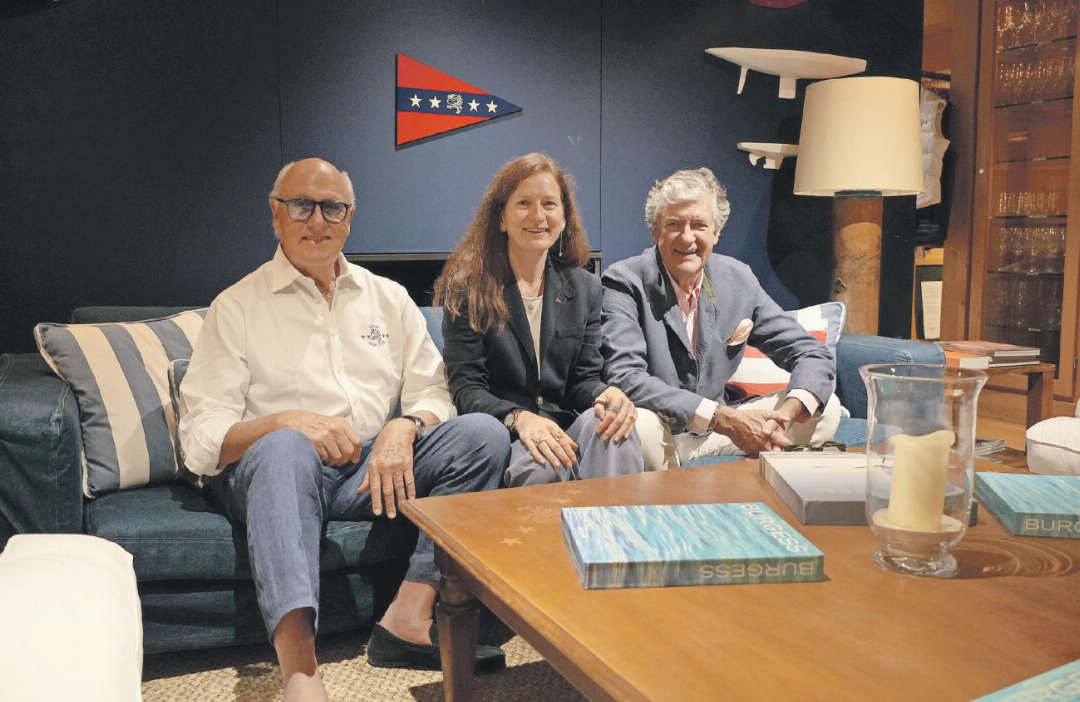
From a new winter tourism campaign and the forthcoming Four Seasons hotel to traffic ...
From a new winter tourism campaign and the forthcoming Four Seasons hotel to traffic congestion and mountain biking routes, the Gstaad Destination Council's latest meeting covered a wide range of topics. The Gstaad Yacht Club was among the participants and explained why it wants to strengthen its connections with the region and represent the interests of its international membership.
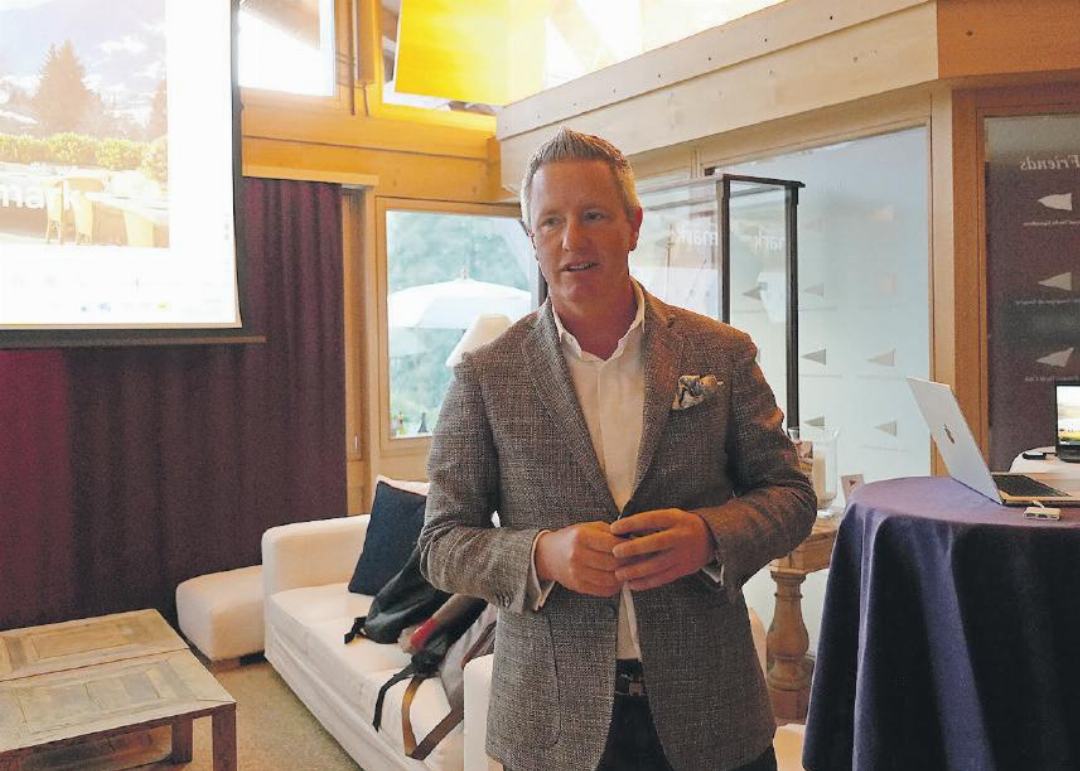
The Gstaad Yacht Club-hosted Gstaad Destination Council meeting demonstrated the value of exchanging ideas in both directions. Gstaad Saanenland Tourism (GST) and its partners presented updates on current projects, while council members raised practical concerns affecting businesses, residents and visitors. “For us, it is important to hear you, understand your concerns and discuss them through this platform,” said GST President Oliver Waser, describing the purpose of the council.
A new winter promise: Skiing from November to April
One announcement was a new campaign designed to reinforce Gstaad's reputation as a dependable skiing and winter holiday destination.
The slogan Pistengenuss von November bis April – roughly translated as Enjoy skiing from November to April – will appear on a new promotional stamp intended for use throughout the destination. The extended season is made possible by including Glacier 3000. The scientific study Kompass Schnee (Snow Compass) concluded that skiing in Gstaad would remain possible until at least 2050, although under changing climatic conditions and with corresponding investments.
GST nevertheless believes that the destination needs to strengthen perceptions of Gstaad as a reliable winter sports resort. Hotels, shops, mountain railway operators, and other tourism partners are encouraged to incorporate the new message into their websites, brochures, newsletters, email signatures, entrances, and vehicles.
“We need you as ambassadors,” GST Marketing Director Ariane Ludwig told council members. Tourism Director Flurin Riedi reinforced the point: if those working within the destination no longer believe in its winter offering, convincing visitors will become considerably more difficult. The campaign will be supported by continued investment in snowmaking facilities and mountain infrastructure. According to Bergbahnen Managing Director Matthias In-Albon, the planned water reservoir will improve the ability to produce artificial snow across larger areas of the ski region during short periods of sufficiently cold weather.
Four Seasons targets summer 2027 opening
Another update concerned The Park Gstaad, a Four Seasons Hotel, currently undergoing its transformation ahead of a planned reopening in summer 2027.
General Manager Reto Moser outlined the hotel's plans, which include 51 rooms, 18 suites and five residences. Rather than competing for guests already visiting Gstaad, Four Seasons intends to attract additional international visitors. North America is expected to be a particularly important market. The hotel also plans to maintain links with the local community. Its restaurants will be open to residents, while the spa will welcome day guests.
The property will need about 250 employees, an estimated 200 of whom will work seasonally. The property will renovate existing staff accommodation and plan additional housing. Although the hotel initially expects to operate seasonally, Moser hopes to extend its opening periods in the longer term.
Gstaad Yacht Club: Connecting an international membership with local life
The Gstaad Yacht Club, which joined the Destination Council earlier this year, hosted the latest meeting.
Managing Director Cindy Schönrich introduced the club's activities and international network. Its 405 members represent more than 45 countries, with about a quarter in the Junior Members category. The club also maintains relationships with around 45 reciprocal yacht clubs worldwide. Its activities extend from an international racing team and sailing competitions to junior training programmes, cultural events and social gatherings.
But why would a private members' club with an international outlook want a seat at the Destination Council?
Speaking after the meeting, Schönrich explained that many club members have close personal ties to Gstaad. They spend time in the region and regularly bring family members, friends and business associates with them. “We are ourselves part of tourism,” she said.
However, the club is neither a hotel nor a traditional local business and does not fit neatly into the destination's existing interest groups. Joining the council gives it a voice in regional discussions while offering the opportunity to connect more closely with other local stakeholders.
Many international members have longstanding relationships with Gstaad but cannot participate in municipal decision-making. Language barriers can also make it difficult for some to follow local developments or contribute to discussions. For Schönrich, the council therefore provides a valuable opportunity for dialogue in both directions.
The club is equally interested in strengthening its relationship with the local population and contributing something meaningful to the region. Its junior sailing programme already gives children from the Saanenland opportunities to learn teamwork, responsibility, and respect for nature alongside sailing skills.
Through its public Gstaad Cultural Encounters series, the club also brings personalities from different fields together to share knowledge and ideas with a wider audience. “Sharing is caring,” said Schönrich. Protecting members' privacy remains fundamental to the club's identity. Nevertheless, Schönrich believes discretion and openness can coexist. “Only by opening up can you also be welcomed.”
Traffic congestion remains a pressing concern
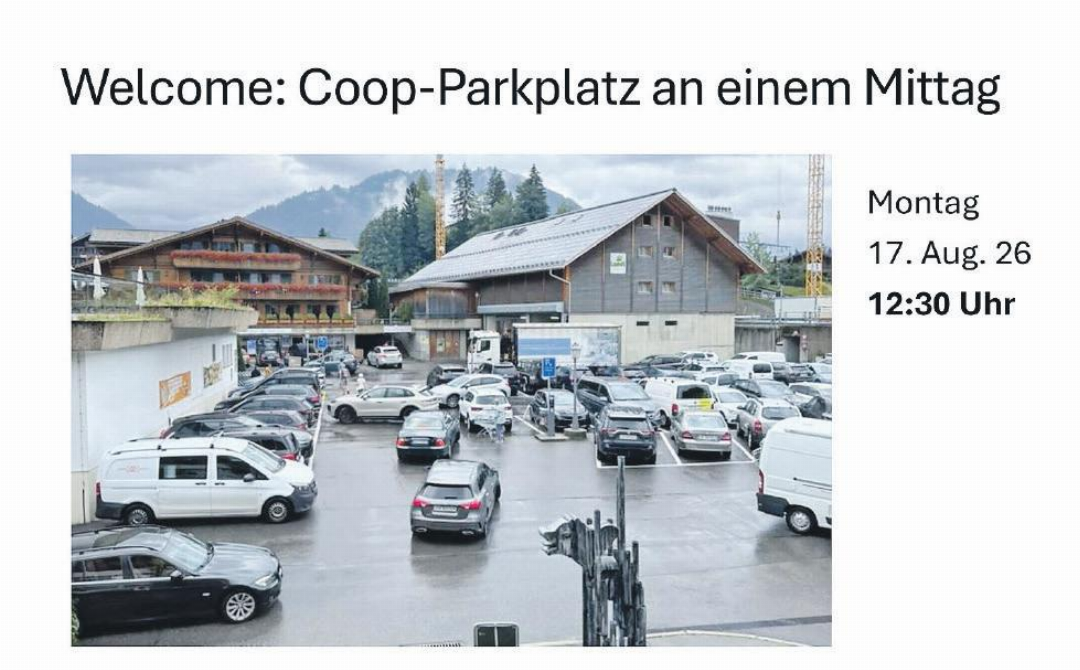
The Destination Council also gives members a platform to raise practical issues. Local businessman Philipp Reber presented a detailed overview of traffic problems in Gstaad, supported by photographs illustrating congestion at key locations. Particular concerns included access roads, the frequently overcrowded Coop car park, and areas where pedestrians and vehicles conflict. Coaches, delivery vehicles and incorrectly parked cars add to the difficulties.
The municipality is already working on a traffic concept, while a separate working group involving local authorities, GST, mountain railway operators, hoteliers and business representatives is addressing visitor and traffic management. Reber acknowledged these efforts but argued that action too often comes only after problems have arisen.
He identified five areas requiring attention: pedestrian safety, keeping pavements accessible, improving parking management and information about available spaces, directing coaches more effectively, and regulating delivery traffic through designated time windows. Reber also called for an emergency traffic management plan for the coming winter season, particularly during peak periods. Possible measures could include temporary parking areas outside the village centre and manual traffic control at especially congested locations. His guiding principle was straightforward: “Act in the short term. Manage in the medium term. Plan for the long term.” He also urged the authorities to communicate more openly with residents, even when solutions were still being developed.
Riedi described the presentation as valuable input and said he would bring the suggestions to the existing working group. Tanja Röthlin raised another practical concern: the lack of bicycle parking in Gstaad's public car parks. Riedi agreed to raise the matter with the group.
Mountain biking and private landowners
The development of mountain biking infrastructure prompted further discussion. David Perreten, president of a private road association, questioned how the authorities intend to deal with trails and access roads maintained by private landowners but increasingly used by mountain bikers.
Although supportive of efforts to manage mountain biking routes, he expressed frustration at the lack of answers to concerns he had raised repeatedly. Without proper consideration of maintenance responsibilities, access rights and compensation, he warned, the agricultural community's willingness to accommodate cyclists could diminish.
Officials acknowledged that the planning process was taking longer than anticipated. Officials are addressing questions about rights of passage, route alignment, and compensation as part of the ongoing development of the bike route network.
Other developments from the Destination Council
A positive summer – with one exception
An informal survey among council members indicated a largely successful summer season, with most participants rating it either good or very good. The exception was the Montreux Oberland Bernois railway (MOB), which reported approximately 10% fewer passengers than during the previous summer. Director General Yves Marclay attributed the decline to geopolitical factors, the fading novelty of the GoldenPass Express and operational difficulties, including construction work, timetable disruptions and cancellations.
Fireworks restrictions under consideration
The four municipalities have been considering possible fireworks restrictions but intend to wait for the outcome of the federal vote at the end of November before proceeding. In the meantime, GST will increase its efforts to encourage more restrained fireworks use.
Twelve kilometres of new mountain biking trails
Approximately 12 kilometres of new mountain biking trails are planned in the Horneggli area. According to Jan Brand, Head of Infrastructure and Projects at GST, detailed planning is now 80–90% complete. Despite lengthy procedures, he is confident the project will offer something attractive for a broad range of cyclists, from recreational riders to more demanding mountain bikers. The building application is expected to be submitted, if possible, during the autumn.
How much tourism does the region want?
GST and the four municipalities plan a representative survey to assess how residents view tourism and identify areas of concern. The survey is expected to begin later this autumn.
Source: Anzeiger von Saanen, Sonja Wolf