

Colour Work: Interview with Anja Brand
04.09.2026 Gstaad Living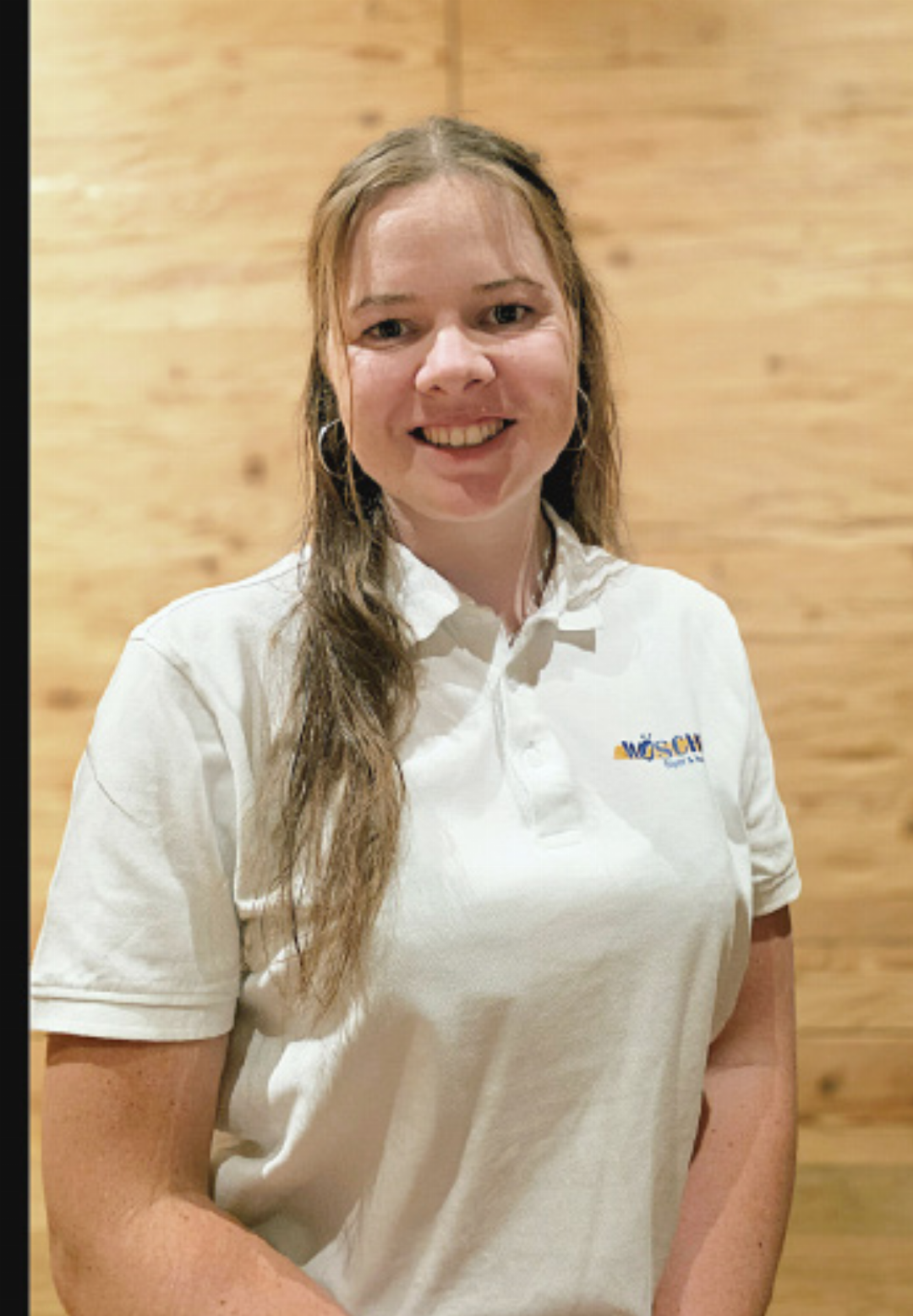
CELEBRATING CRAFTS
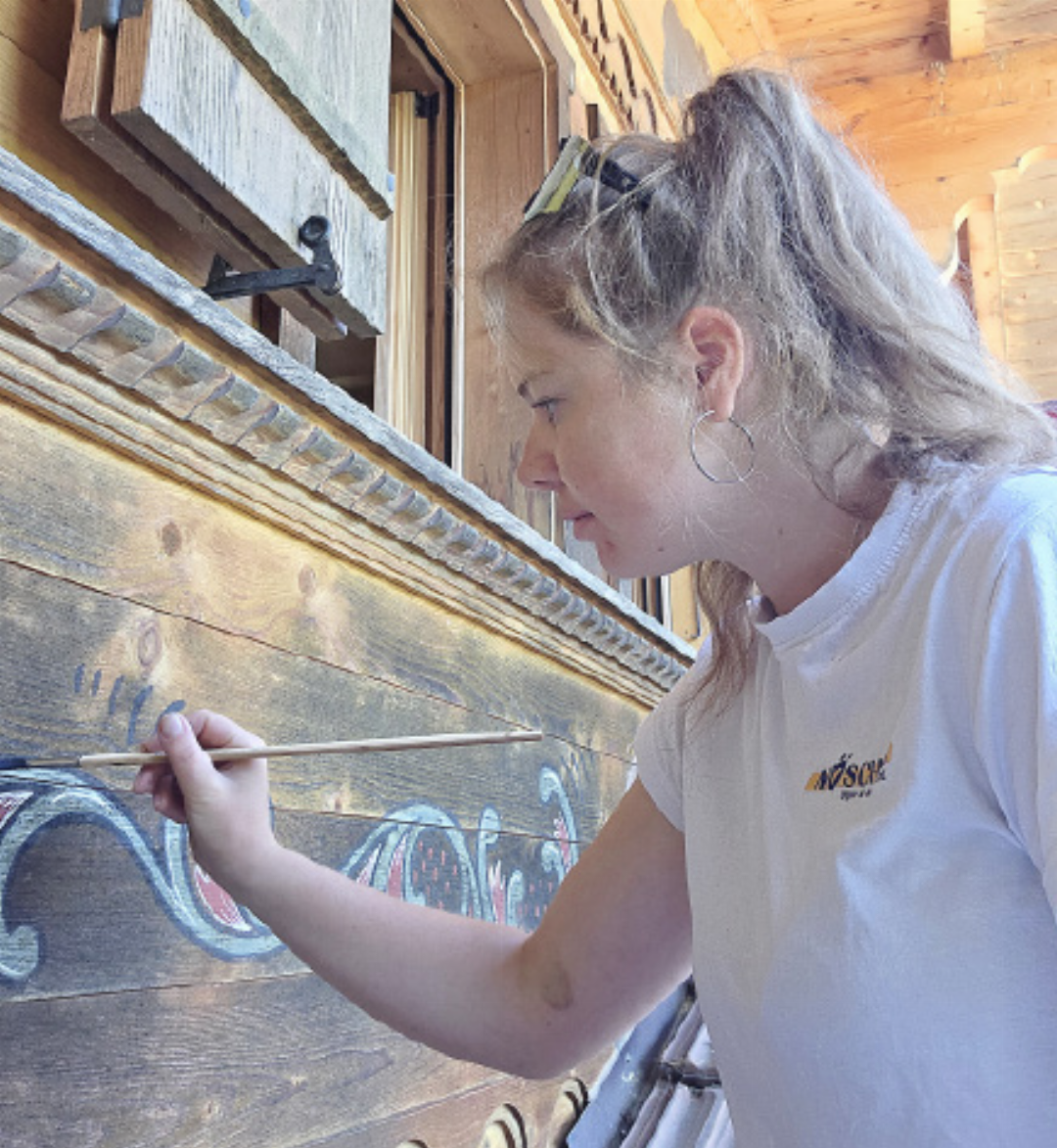
Anja Brand is a painter and newly qualified project leader at Mösching Gipser & Maler AG at Gstaad. Trained in Solothurn, she returned to the Saanenland two and a half years ago. Anja spoke to GstaadLife about colour, precision and ...
CELEBRATING CRAFTS
Anja Brand is a painter and newly qualified project leader at Mösching Gipser & Maler AG at Gstaad. Trained in Solothurn, she returned to the Saanenland two and a half years ago. Anja spoke to GstaadLife about colour, precision and what women bring to the painting trade.
What drew you to painting?
I always wanted to work in a skilled trade, either with wood or paint. I looked at other professions, but painting was the one I chose. I completed my training in Solothurn before returning here to my home region. Happily the right opportunity came along at exactly the right time.
What do you enjoy most about your work?
The sheer variety, because no project is the same. Sometimes we’ll repair a small section of wall, other times we’ll work on an entire chalet or a hospital. A job can take months or a few hours. We work with so many different people and materials that we are constantly learning. You see a building from the inside and outside, sense the story behind it and continue that story in some way. We also see the finished result: the transformation from old to new, from worn-out to beautiful. That is the best part of it.
What skills does this craft demand?
An eye for colour and precision is absolutely essential. People immediately notice when something is not quite right on a wall, even while having dinner in a restaurant. You need a steady hand for clean lines and a genuine enjoyment for working with your hands. Patience matters too, though in moderation as the job has to get finished on time. What many people don’t know is that there is no such thing as just one ‘white’. We generally work with around five different shades of white. We often use two or three tones in a single room because these contrasts can make spaces appear larger, smaller or higher.
How has the painting trade changed for women?
Previously it was almost entirely men, like most skilled trades. When I started in 2019, my vocational school class was already split fifty-fifty. But look at the next year group: suddenly there were twelve women and three men. You can really see that more and more women are entering the profession. The challenge is more about staying in it: many leave because construction sites, with noise and fumes, can be difficult during pregnancy and motherhood. But the stereotype of it being a purely male profession is slowly fading, and that’s a good thing
What do women bring to this line of work?
I would say women tend to bring a little more precision when it comes to detailed work. Of course, that does not mean men cannot do this too. Equally, there is the opposite stereotype that women are not strong enough for physically demanding tasks. There may be a small grain of truth in both assumptions. Ultimately, we are different, yet complement each other extremely well. I think the modern painting profession needs both.
How do you see the future of your profession?
From my perspective, there's no robot that can build a house or paint a wall as well as a person can. I've seen machines that can spray or paint, but it's not the same. A great deal would have to change before that becomes a real competitive threat. Skilled trades are not dying out, because without tradespeople no one would have a roof over their head.
What do you love most about life here, beyond work?
I grew up here, so the Saanenland is my home. What I find most fascinating is how closely rich and poor live side by side and how calmly everyone accepts this. A farmer and a multimillionaire live right next door to each other and that is completely normal. People treat each other with genuine mutual respect. The biggest problem most days is when someone takes your parking space!
ANNA CHARLES