



COCKTAIL RINGS ALL THE RAGE IN OUR ROARING TWENTIES
30.12.2025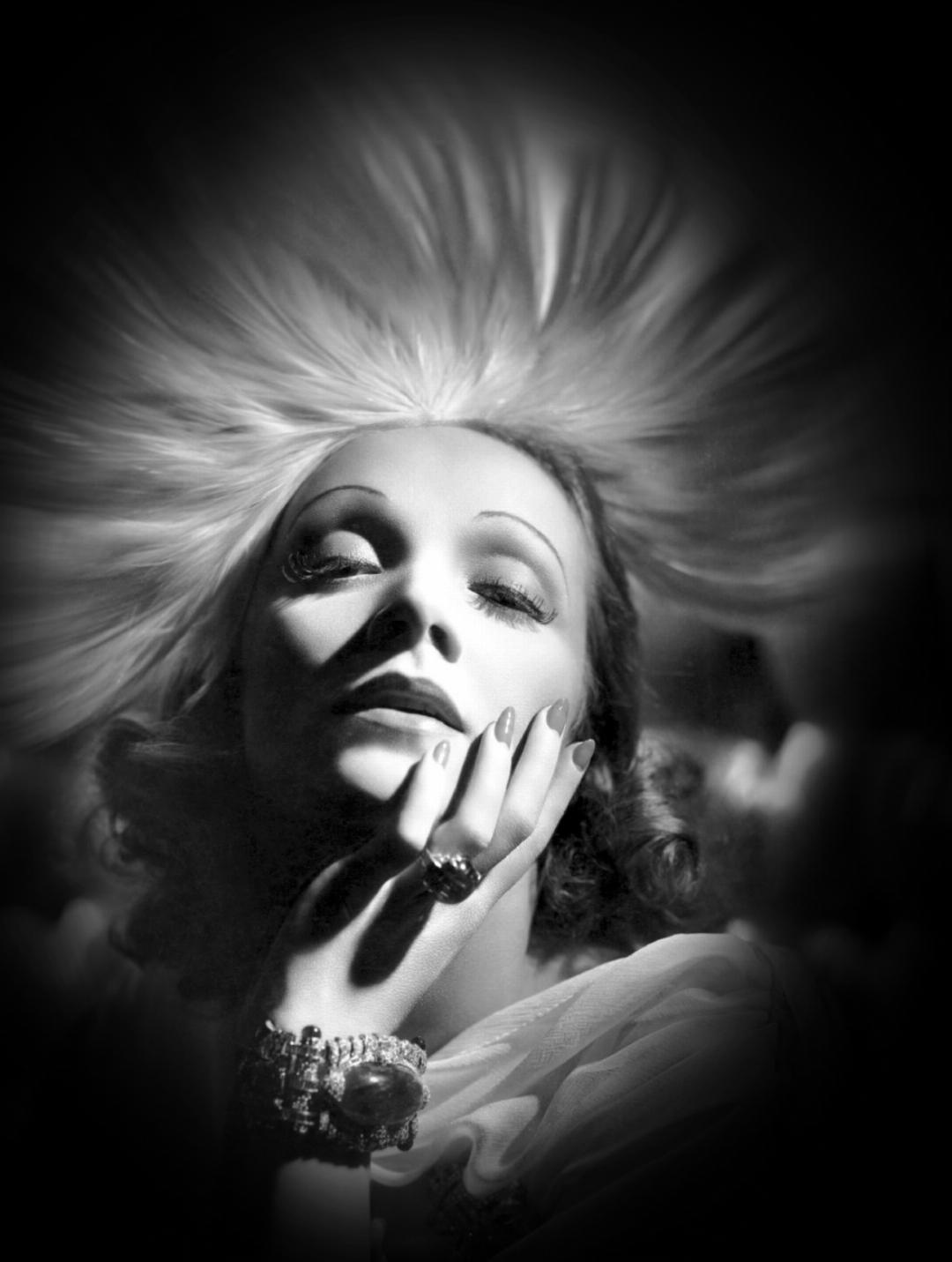
At the mention of the iconic flappers of the 1920s, it's easy to bring to mind the image of a slender young girl with bobbed hair, dancing the Charleston in a short, dropped-waist dress, a cigarette holder in one hand and a cocktail glass in the other. What is less well known about these ...
At the mention of the iconic flappers of the 1920s, it's easy to bring to mind the image of a slender young girl with bobbed hair, dancing the Charleston in a short, dropped-waist dress, a cigarette holder in one hand and a cocktail glass in the other. What is less well known about these emblems of the free-spirited Jazz Age is a singular accessory that completed the ensemble, while also making a brash statement about the new Western woman: the cocktail ring.
Sparkling and flamboyant, cocktail rings came to prominence in a decade of tremendous societal change. The rise of the studio system in Hollywood, the new affordability of cars, the freedom of jazz, and American prohibition were influencing the way Westerners lived. This was felt even more keenly for women.
Thanks to the absence of men off fighting in Europe, urban women were joining the workforce in droves, which gave them their own source of income, often for the first time, and they were thrilled with their independence. There was no turning back.
These new working women made radical changes: they threw out their corsets, wore dresses that revealed their legs, cut their hair short, and wore conspicuous makeup as well as an abundance of jewellery. Throwing caution to the wind, women scandalously smoked, drank, danced, and, for the first time in history (with the exception of prostitutes and actresses), frequented bars. The flappers were the first generation of truly independent women, entering spaces previously only accessible to men – flouting tradition with abandon.
In the early 1920s the world was recovering from World War I as well as the Spanish Flu pandemic, which infected half a billion people worldwide. After years of pain and grief, Westerners were ready for some joy in their lives, but the American Congress threw cold water on the celebration. It passed the National Prohibition Act in October 1919, which banned the production, distribution, sale, and consumption of alcoholic beverages.
Since it was now illegal to drink alcohol, an underground industry of bars known as “speakeasies” flourished. A personal contact or a secret password were necessary to access the party, but once inside you joined a roaring party.
Extravagantly ornate, cocktail rings usually comprised a large stone surrounded by smaller ones, a prominent show of female independence. They let it be known that its wearer had bought it with her own money. Moreover, flappers were specific in the way they wore them: on the index finger of the right hand, so no one could mistake it for an engagement or wedding ring.
The opulent lifestyle of the 1920s came to a screeching halt when the stock market crashed in October 1929, and even though Prohibition was repealed in 1933, the reality of the economic hardships of the Great Depression quickly became oppressive.
Now, over a century after their introduction, cocktail rings are once again to be found gracing the hands of independent women the world over.
ALAN NAZAR IPEKIAN
© Everett Collection Inc. Actress Marlene Dietrich (1901-1992) ca. 1937. In 1920s Weimar Berlin, Marlene Dietrich, herself in her twenties and a Berlin native, was initiated into its infamous nightlife, with its cabarets, photographed in flapper style, and influenced by the era's fashion as well as that city’s forward-thinking spirit.