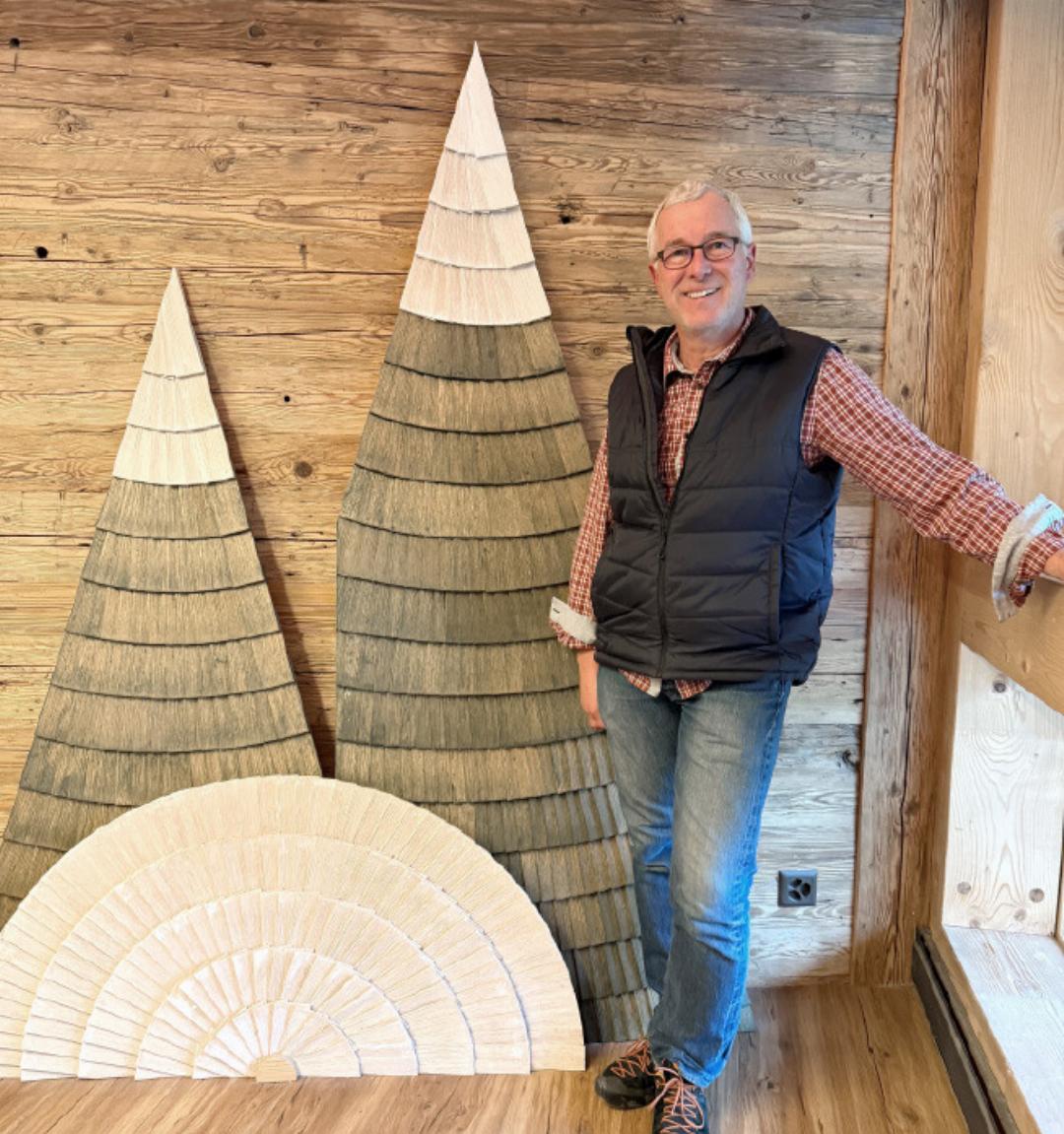
Colin Karlen has worked with traditional tavillon shingles since 1994. His family business covers construction, carpentry, interior fittings, furniture making and renovation, yet one of its most distinctive specialities remains this centuries old roofing technique. GstaadLife spoke with ...
Colin Karlen has worked with traditional tavillon shingles since 1994. His family business covers construction, carpentry, interior fittings, furniture making and renovation, yet one of its most distinctive specialities remains this centuries old roofing technique. GstaadLife spoke with him about the craft, the rhythm of the seasons and the tradition known as the bottle of death.
How did you get into working with tavillon shingles?
After finishing my carpentry studies I wanted to do something others were not doing. In the Pays d’Enhaut there were no active shingle craftsmen. A few older people still knew the technique but were no longer practising it. Most of the work here was done by people from Fribourg or Gruyères. I learnt from one of the older craftsmen and that was the start.
What makes tavillon shingles special?
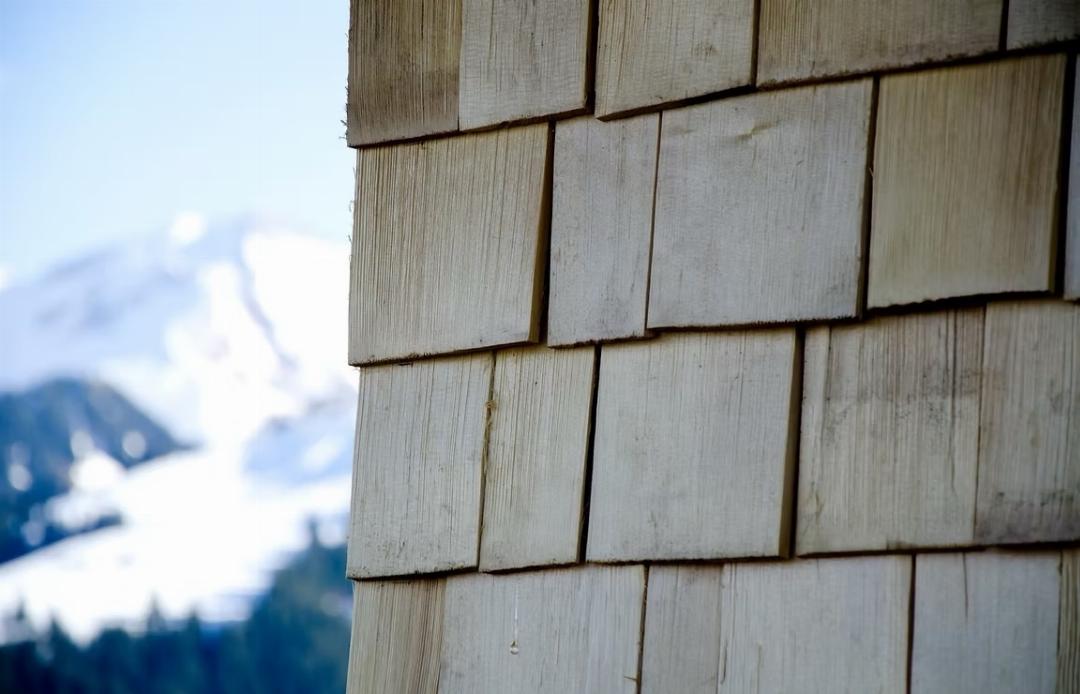
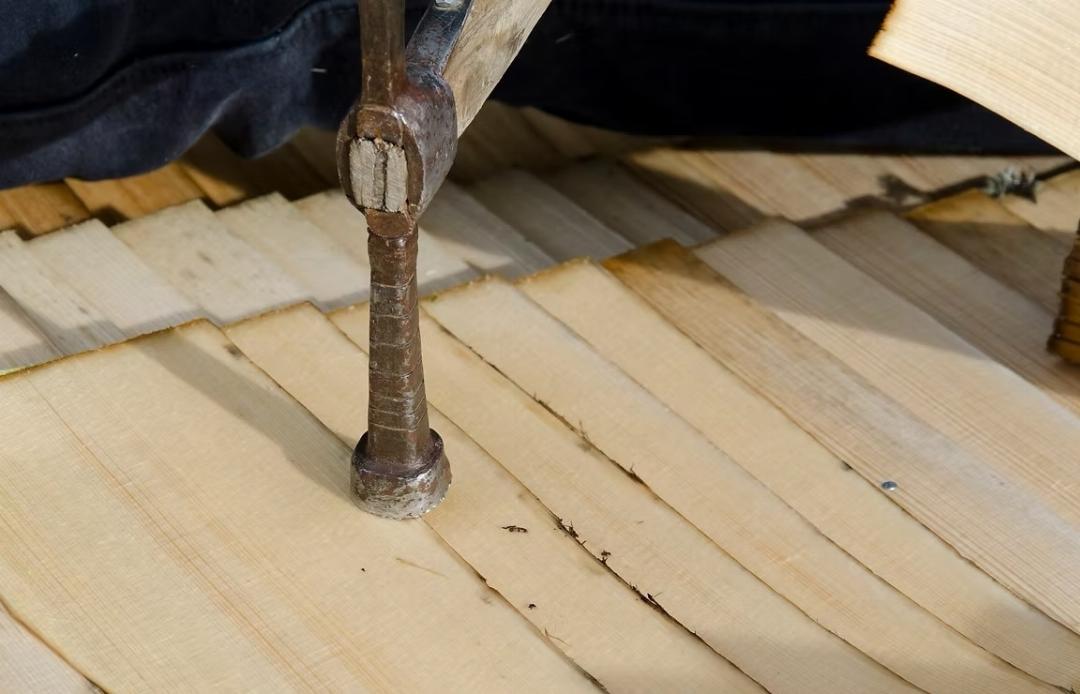
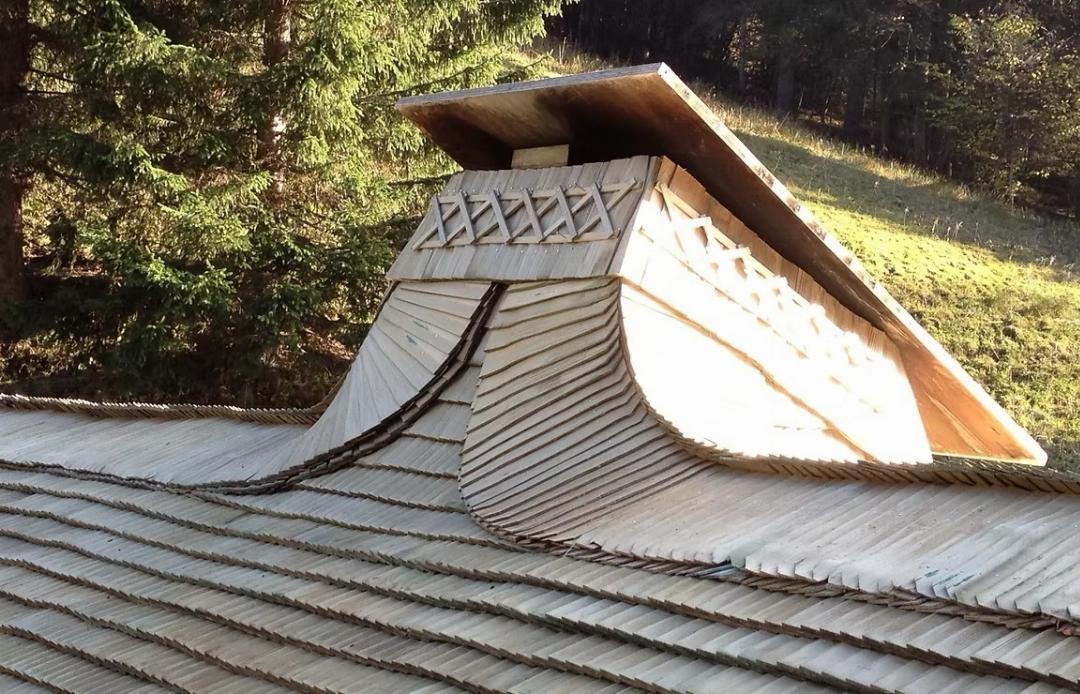
A tavillon is a thin wooden shingle, split by hand, and the traditional roof covering of the Pays d’Enhaut and Gruyères. Each square metre takes around three hours of work, from preparing the wood to placing every shingle by hand. Machines can help with cutting and forging nails, but installation of the shingles is still done exactly as it was a century ago.
What qualities does someone need for this work?
You need to enjoy the work! You are on roofs in all weather and it can be very hot or very wet. From the ground it looks idyllic, but it is demanding. Some roofs we work on are very steep, like the Saanen church, and you are carrying all the shingles up with you. You need to like being outdoors, enjoy working with wood and have a head for heights. We are seeing renewed interest from younger people which is good for the future of the craft.
How has your work changed over time and what does the job look like through the year?
The work still follows a clear seasonal rhythm. From late October to December we cut and prepare the wood. From December to April we fabricate the shingles, then from spring to autumn we place them on the roofs. Some parts of the process have modernised, but the essential skill of placing each shingle by hand has not changed. Choosing the wood is still important too. With experience you learn which trees will work well.
What challenges does the trade face today?
We have to navigate different fire insurance rules by canton. For example, in Vaud, shingle roofs are allowed in villages, but not in Bern. Cost is another factor, as traditional shingles are about three times more expensive than other materials, though still good value considering the craftsmanship involved. Finally, winters tend to be milder, so the shingles spend less time protected under snow and ice. With more rain the wood stays wet for longer which speeds up aging. The enemy of wood is water!
You mentioned a tradition called “the bottle of death”. What is that?
When we finish a roof, we may share a bottle of wine with the owner. Then we write the names of the people who worked on the roof, put the paper in the bottle, replace the cork and hide it in the roof. About forty years later, when the roof is renewed, the next team might find it. We call it the bottle of death because by the time it is discovered we are often no longer here. We do occasionally come across these bottles when working on an old roof. In that case we read the paper, add our names and place it back in the bottle for future craftsmen to find.
ANNA CHARLES
To learn more about Colin Karlen Charpente-menuiserie Sàrl, visit www.colinkarlen.ch