

Between tradition and modern life: inside the world of Freemasonry
05.04.2026 Traditions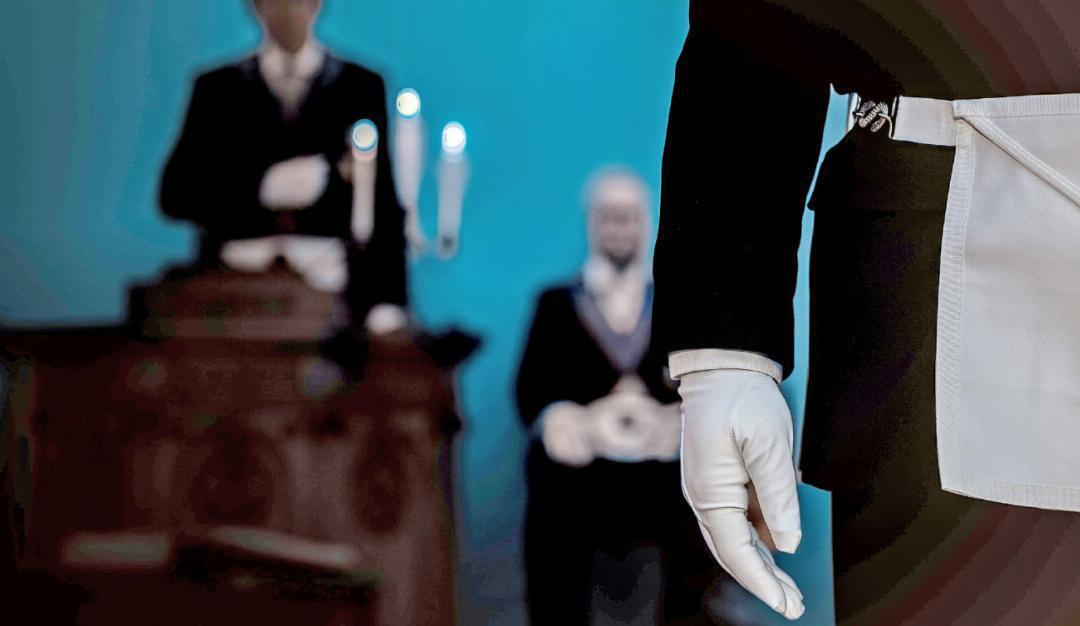
In early March, the lodge Phönix im Orient von Thun opened its doors at Schloss Thun for a rare public information evening. The event offered a glimpse into a centuries-old community — one that continues to frame itself around dialogue, reflection and personal ...
In early March, the lodge Phönix im Orient von Thun opened its doors at Schloss Thun for a rare public information evening. The event offered a glimpse into a centuries-old community — one that continues to frame itself around dialogue, reflection and personal development.
Freemasonry is often associated with secrecy, symbols and closed doors. In reality, at least on this March evening in Thun, the focus was on something more grounded: conversation.
Members of the lodge chose not to reveal identities — anonymity remains part of the tradition — but they spoke openly about values, rituals and the role Freemasonry plays today. The central question behind the evening was simple: what can a centuries-old fraternity offer in a world that feels increasingly fast, fragmented and transactional?
A space defined by symbolism
Those who enter the lodge in Thun encounter a setting shaped less by architecture than by intention. The main room is arranged with care: seating lines the sides for the “brothers,” while the “Master of the Chair” presides from the end of the table. A smaller temple room serves as a place of reflection.
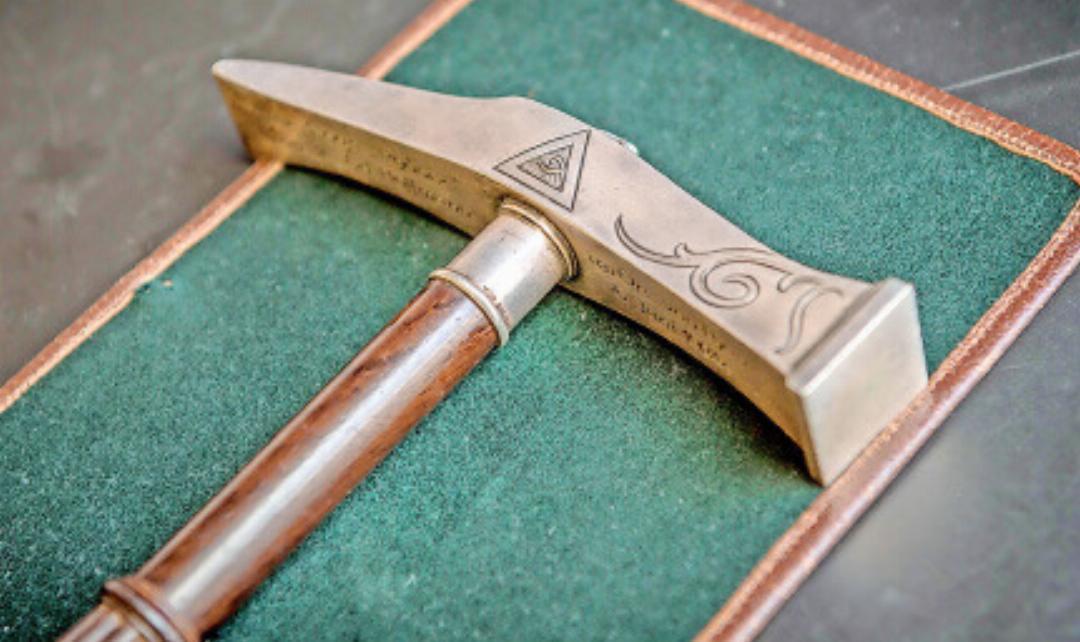
The space is deliberately restrained, yet filled with meaning. Tools such as the compass, square and hammer are not decorative elements but symbols — representing ethical principles and personal work. Three pillars — wisdom, strength and beauty — define the philosophical framework.
It is a setting designed for pause rather than performance.
Unchanged values, shifting context
At the centre of Freemasonry lie values that have remained largely unchanged for more than 300 years: freedom, equality and brotherhood. Rooted in the spirit of the Enlightenment and echoed in the ideals of the French Revolution, they continue to shape the lodge’s outlook.
Where the emphasis has shifted is in interpretation. Historical moments — particularly the period leading up to the Second World War — forced Freemasonry to defend its place in society. In Switzerland, the so-called Fonjallaz Initiative, which sought to restrict freedom of association, also targeted the movement. Its clear rejection at the ballot box became a defining moment.
Today, the focus has moved away from national identity and towards the individual: personal development, tolerance and the ability to engage with differing viewpoints.
Ritual as structure, not spectacle
Freemasonry is often described as ritualistic, yet within the lodge, ritual functions less as ceremony and more as structure. Meetings follow a deliberate rhythm. Members take time to reflect before speaking, formally request the floor, and contribute in a measured way.
The aim is not debate in the conventional sense, but dialogue — without slogans, without escalation. Even when opinions diverge, the emphasis remains on listening and respect. The evening in Thun reflected this approach: conversation continued informally long after the structured part had ended.
A quiet approach to impact
Unlike many modern networks, Freemasonry does not position itself as a platform for business or visibility. Its impact, members suggest, is intended to be quieter — expressed through individual conduct rather than public messaging.
This extends to charitable work. Support for social and cultural causes is part of the lodge’s activities, though typically without public promotion.
Who joins – and why
The traditional description of a Freemason remains telling: “a free person, of good reputation and with noble intent.” Today, this is interpreted less literally and more as a mindset — openness, integrity and a willingness to reflect.
New members begin as apprentices, progressing over time through different degrees. The structure is not about hierarchy, but about experience. As one member put it during the evening: the process never truly ends — one remains, in a sense, a lifelong apprentice.
A place in today’s world
Freemasonry defines itself neither as a religion nor as a business network, but as a global fraternity. Lodges maintain connections across countries, from Switzerland to Finland, Scotland and the United States, often transcending language and cultural barriers.
In a broader sense, its role today may lie precisely in contrast to the pace of modern life. Where much of contemporary interaction is immediate and reactive, the lodge offers a slower, more structured form of exchange.
The open evening at Schloss Thun provided a rare opportunity to observe this dynamic firsthand – not as an abstract idea, but as a lived practice.
The information event took place on 5 March 2026 at Schloss Thun.
Based on AvS | MICHAEL SCHINNERLING/FRUTIGLÄNDER