Winning is only the beginning
10.11.2026 Arts & Culture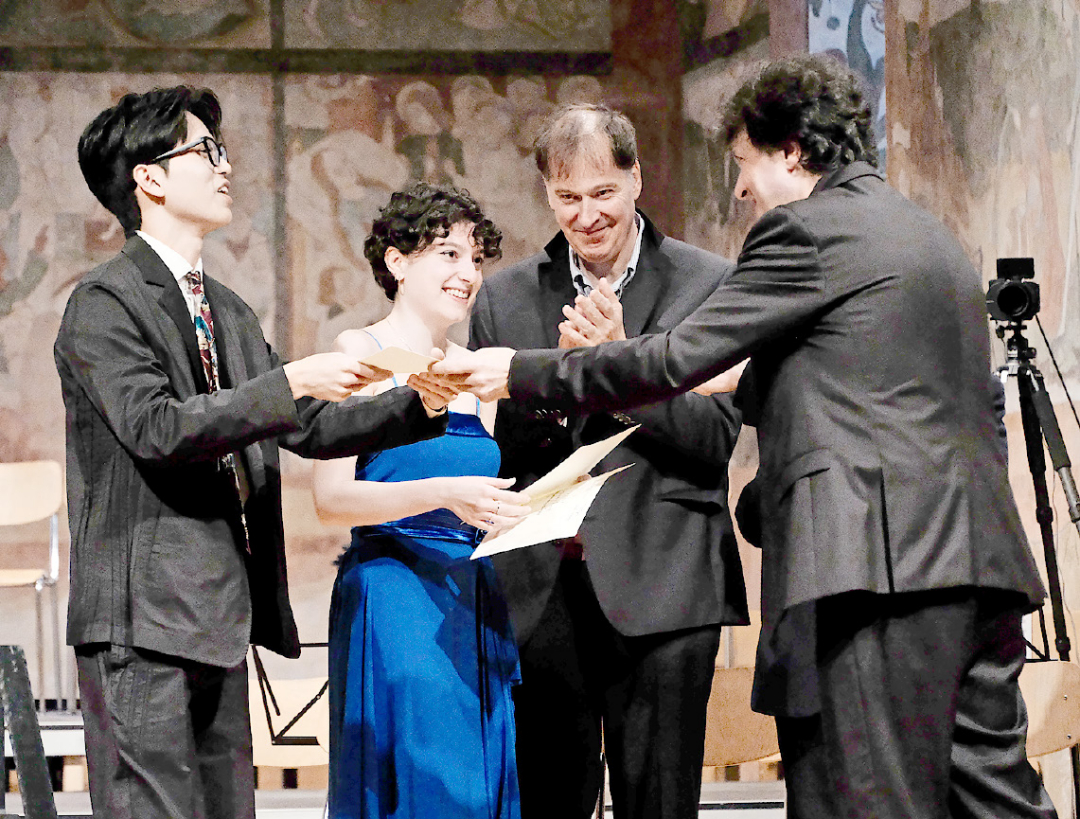
Beyond the first prize: Gstaad’s role in shaping the next generation of musicians
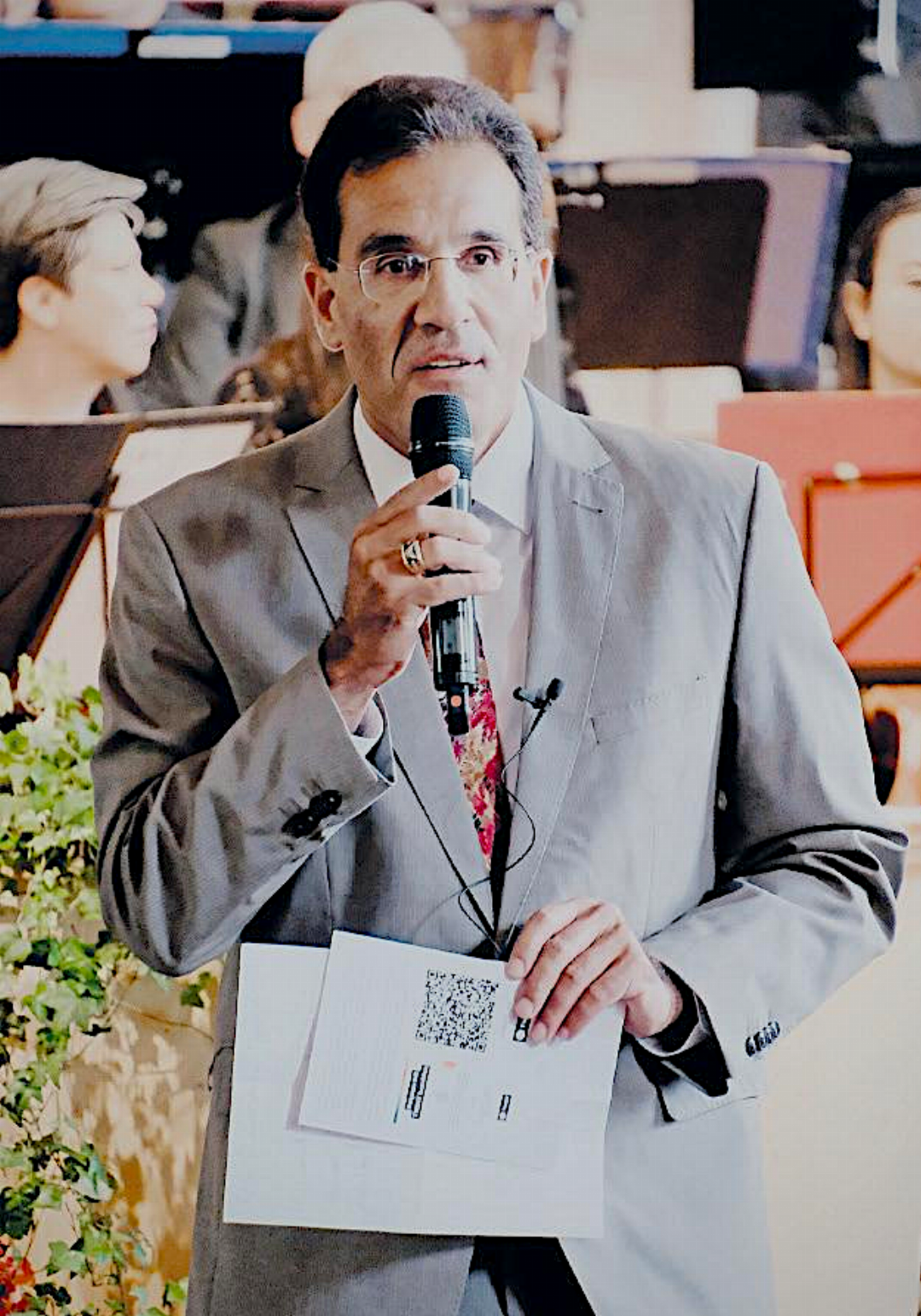
Two young violinists shared the top prize at the fourth Alberto Lysy International Violin Competition in Saanen. But winning a competition no longer guarantees a successful career. Organiser Çetin Köksal explains why supporting young musicians involves far more than awarding prizes.
From 183 applications representing 44 nationalities, 22 musicians were initially selected, although five were ultimately unable to attend the fourth Alberto Lysy International Violin Competition, held in Gstaad and Saanen from 8 to 10 October.
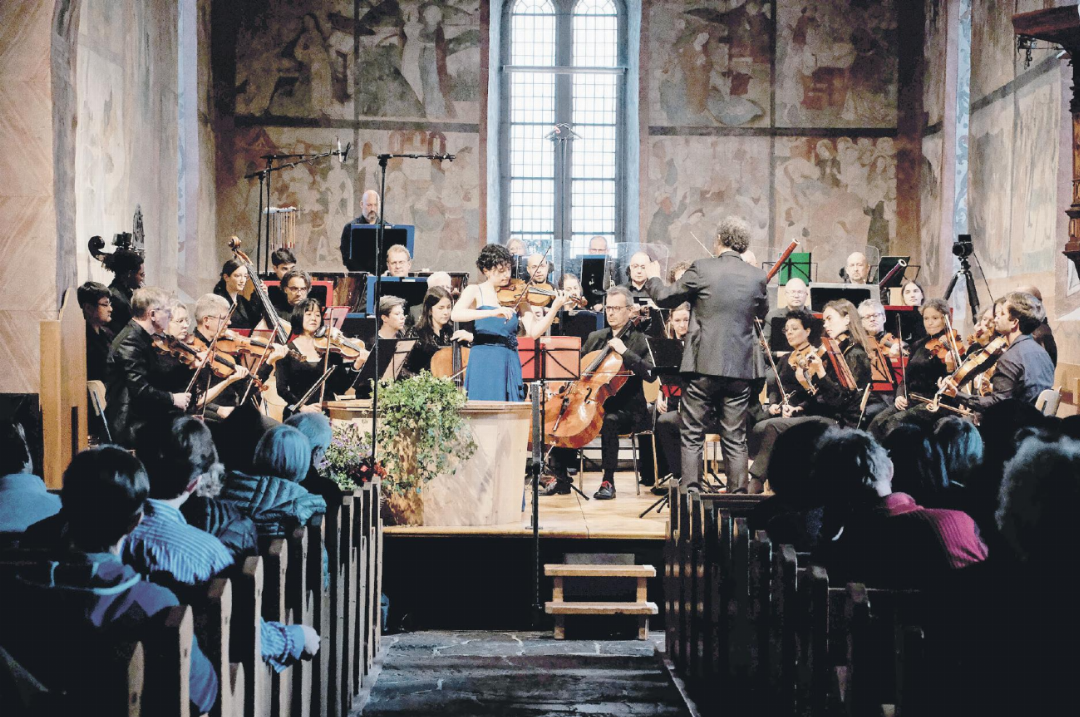
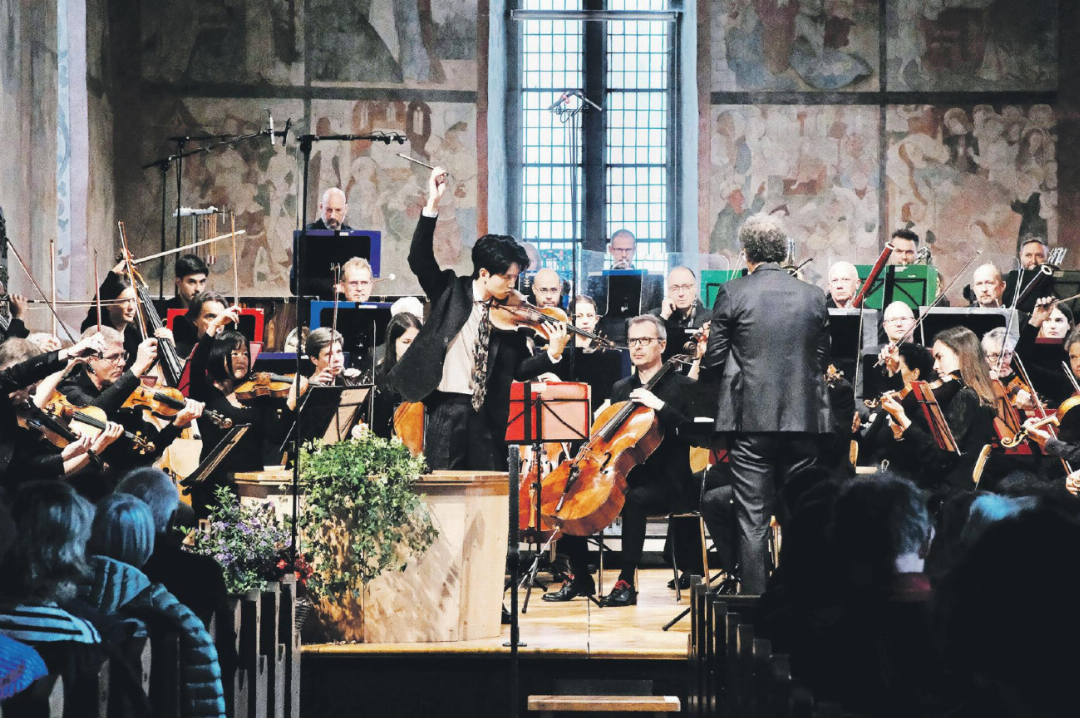
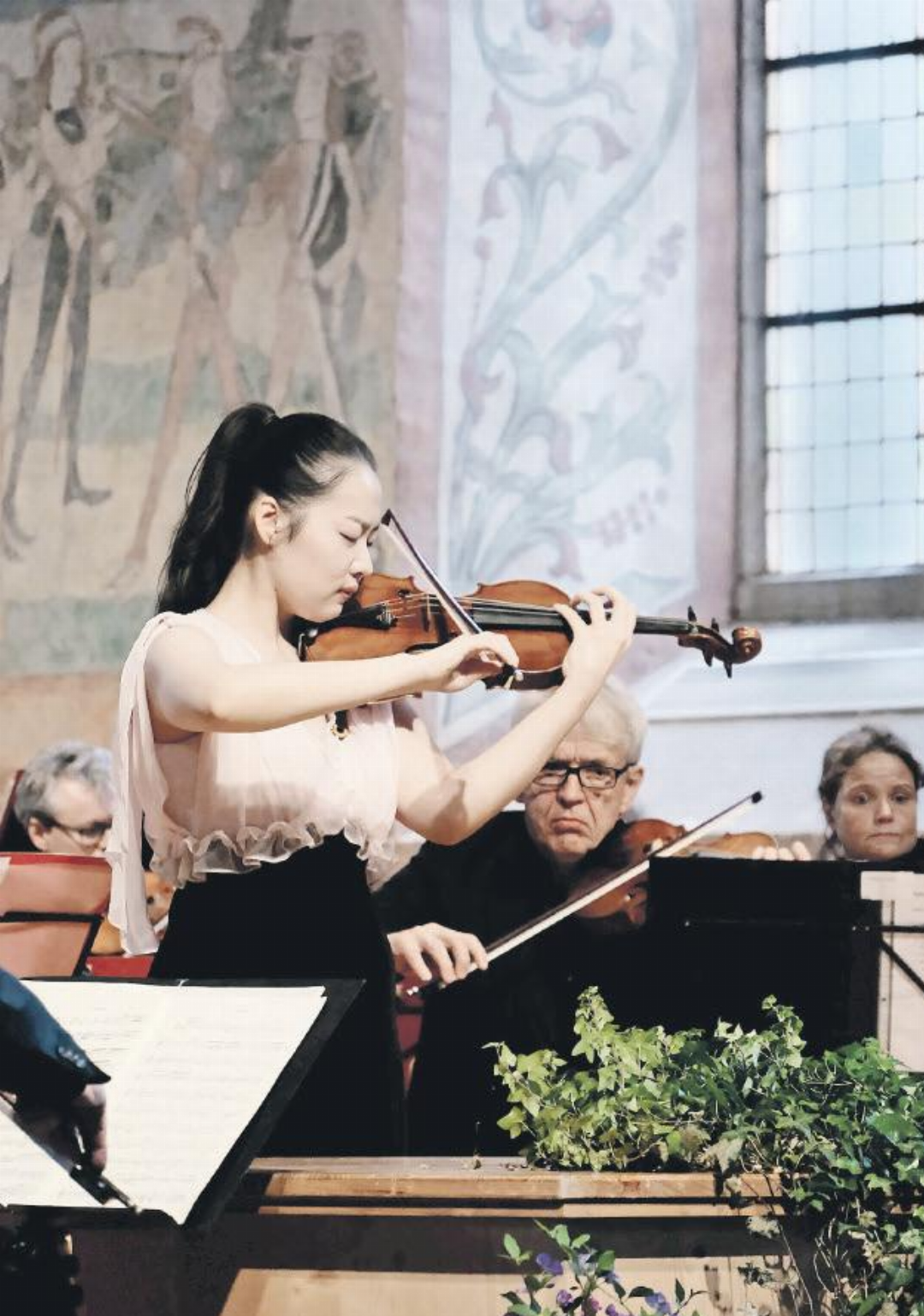
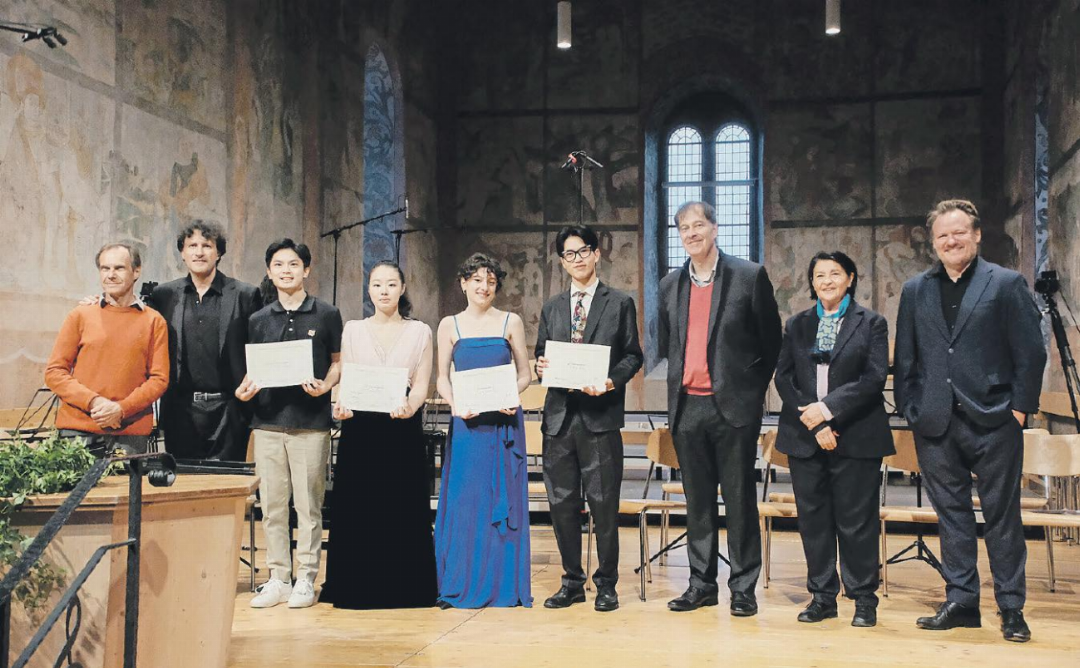
The final, staged in the historic Saanen Church, brought three young violinists together with the St Gallen Symphony Orchestra, conducted by Pietro Rizzo. Sara Isabelle Ispas of Australia and Zi Yang Low of Malaysia were awarded joint first prize, while South Korea's Yuna Sung, just 16 and the youngest competitor in this year's edition, took second place.
The decision to award a joint first prize reflected the jury’s assessment that Ispas and Low had reached the same overall artistic level, although their strengths were quite different. According to Köksal, Ispas stood out for her nuanced, subtle musicality, while Low impressed the jury with his interpretative mastery.
Ispas also received the Audience Award, securing an invitation to perform at the Menuhin Festival in summer 2027.
For young musicians, however, the competition's significance extends well beyond the final results.
A career built one opportunity at a time
Winning an international music competition can open doors. Recognition from a distinguished jury, opportunities to perform with established orchestras and introductions to influential figures in the classical music world can all help young artists establish themselves professionally.
The Alberto Lysy Competition combines financial awards with performance opportunities. The announced first-prize package includes CHF 10,000 and the four-year loan of a violin made by the renowned 19th-century French instrument maker Jean-Baptiste Vuillaume.
Beyond the awards, Sara Isabelle Ispas will perform at the Menuhin Festival's Young Talent Series next summer, while Zi Yang Low has been invited to the NUME Festival in Cortona, Italy.
But what happens when the applause has faded?
In an interview with GstaadLife, competition organiser Çetin Köksal explains that his involvement with the musicians does not necessarily end once the prizes have been presented.
He stays in touch with former participants and laureates, keeping them in mind when selecting musicians for other concert series or projects associated with the Menuhin Centre.
In some cases, this relationship develops into a form of personal mentorship, although Köksal stresses that it is not a formal part of the competition's prize structure. Much depends on the opportunities available and whether the relationship works on a personal as well as a professional level.
For promising musicians, such continuing relationships can be particularly valuable in a profession where talent and recognition do not automatically translate into regular engagements.
The legacy of Alberto Lysy
The competition has its roots in the vision of Alberto Lysy (1935–2009), the Argentine-born violinist and educator whose work was closely associated with Yehudi Menuhin and the region's musical institutions.
Lysy believed deeply in nurturing young musicians and envisaged an international competition that would give emerging artists an opportunity to develop and demonstrate their abilities. Although that ambition was not realised during his lifetime, it was subsequently taken forward by the Association Rencontres Musicales Camerata Lysy, based in Château-d'Oex.
Until now, the competition has been funded predominantly by the Association Rencontres Musicales Camerata Lysy. This year marked the St Gallen Symphony Orchestra's first participation in the final, an important artistic development but also a considerable additional expense and organisational undertaking for the small team. To establish the competition more firmly on the international circuit, Köksal says it will need further support, whether from public institutions, private organisations or individual patrons.
Today, the competition seeks to preserve not simply Lysy's name but his approach to music-making.
For Köksal, this raises a fundamental question about the very nature of musical competitions. While they reward artistic excellence, he is unconvinced that music can be judged in the same way as competitive sport.
Technical ability can be assessed, he explains, but musical interpretation, expression and individuality are far more subjective.
Indeed, he readily acknowledges that even the most conscientious jury cannot be entirely objective. Personal preferences inevitably influence artistic judgement, although the competition strives for transparency and fairness.
What the organisers can influence, however, is the atmosphere in which the young musicians compete.
Köksal recalls arriving at this year's opening reception and finding all the participants sitting together around one long table, eating, drinking and talking as friends rather than rivals.
The sense of camaraderie continued throughout the event. Unusually, many of those who had not progressed to the final chose to remain in Saanen to hear their fellow musicians perform.
Creating this kind of supportive environment, Köksal believes, is very much in keeping with Yehudi Menuhin's philosophy.
The competition also offers participants the opportunity to receive individual feedback from jury members after each round. Even for those who leave without a prize, the experience can provide valuable insights into their performance and artistic development.
Talent is only the beginning
Perhaps the greatest challenge facing young musicians today is the transition from exceptional student to working professional.
Köksal has witnessed considerable changes in the classical music industry over the past two or three decades.
In the past, winning one of the major international competitions could virtually guarantee the beginning of a solo career. Today, even prize winners from prestigious competitions may struggle to secure enough engagements to earn a living.
He recalls talented young musicians who, despite significant international competition success, have subsequently had to audition for ordinary orchestral positions.
The problem, he explains, is partly one of supply and demand. There are simply more outstanding musicians than the professional market can accommodate.
Competition success may lead to an invitation to perform with an important orchestra, but without effective management and professional follow-up, that opportunity can remain an isolated engagement.
Yet there are encouraging examples among former competitors. Bohdan Luts, winner of the second Alberto Lysy Competition, went on to win the prestigious Henryk Wieniawski International Violin Competition in October 2026. Another former laureate, Elias David Moncado, has secured solo engagements across Europe, Asia and the United States. Their progress illustrates the potential of the competition as an early step in a wider musical career, even if no prize can guarantee what follows.
For this reason, Köksal places considerable importance on helping young artists understand the practical realities of their profession.
His advice begins with artistic integrity. Rather than imitating established performers or relying on superficial effects, musicians should study their repertoire thoroughly, respect the composer's intentions and develop their own interpretative voice.
Yet artistic excellence alone is insufficient. Reliability, professionalism and consideration for others are equally important.
For concert organisers managing complex programmes, an artist who respects deadlines, communicates clearly and provides the necessary information without repeated reminders is considerably easier to work with.
Köksal has seen young musicians distinguish themselves by anticipating these practical requirements, submitting programmes, biographies and photographs promptly and demonstrating an understanding of the work involved in organising a concert.
In a highly competitive profession, such qualities can influence whether an artist is invited back.
His underlying message to young musicians is simple: "Be yourself." Developing an individual artistic identity, while remaining dependable and professional, offers a stronger foundation for a lasting career than competition results alone.
From Menuhin to a new generation
Gstaad's association with classical music stretches back generations, most visibly through Yehudi Menuhin and the festival that bears his name.
The Alberto Lysy Competition adds another dimension to that heritage. While the Menuhin Festival attracts established international artists and audiences each summer, the competition focuses on musicians at the beginning of their professional journeys.
Its connections with the Menuhin Festival and other musical organisations in the region offer opportunities to bring artistic education, performance and professional development together.
For Sara Isabelle Ispas, whose musical education includes the International Menuhin Music Academy founded by Lysy, the victory carries particular personal significance.
As she explained in an earlier interview with Anzeiger von Saanen, winning a competition named after Alberto Lysy, who taught her former teachers at the Menuhin Academy, holds particular significance and affirms the musical values passed down through generations of musicians.
Her achievement also marks the end of an exceptionally demanding period. The Australian violinist won three competitions in succession while maintaining a practice schedule averaging four to five hours a day.
Yet the Audience Award in Saanen was especially meaningful to her because it confirmed that her musical interpretation had connected with listeners.
Ispas hopes to establish herself as a soloist and chamber musician, performing internationally and making a living through music. After her competition successes, she now intends to focus on developing new repertoire and preparing for upcoming concerts.
The next chapter
The fourth Alberto Lysy International Violin Competition has concluded, but Köksal's continuing contact with its participants reflects an important aspect of the competition's purpose.
For Sara Isabelle Ispas, the next chapter already includes a return to Gstaad in summer 2027. Zi Yang Low will have an opportunity to perform at the NUME Festival in Italy, while other young participants may also benefit from connections established during their time in Saanen.
Looking ahead ten years, Köksal hopes the competition will have earned an established place among the world’s respected international violin competitions. He envisages an organisation that runs smoothly, is recognised for fair and transparent judging and continues to offer the humane atmosphere he associates with Menuhin. A modest expansion is possible, he says, but not at the expense of its relatively intimate character. Above all, he wants its prize winners to be able to pursue successful musical careers.
Competition results may provide recognition and open doors. Keeping those doors open, as Köksal knows from experience, requires artistic conviction, professional discipline and people willing to support young musicians beyond the concert stage.
You can watch the 2026 competition final at www.albertolysy.ch/competition.php and meet the laureates here.
Jeanette Wichmann