

What does the editor do in the off-season?
02.10.2026 Lifestyle, Charity & Support, Editors Picks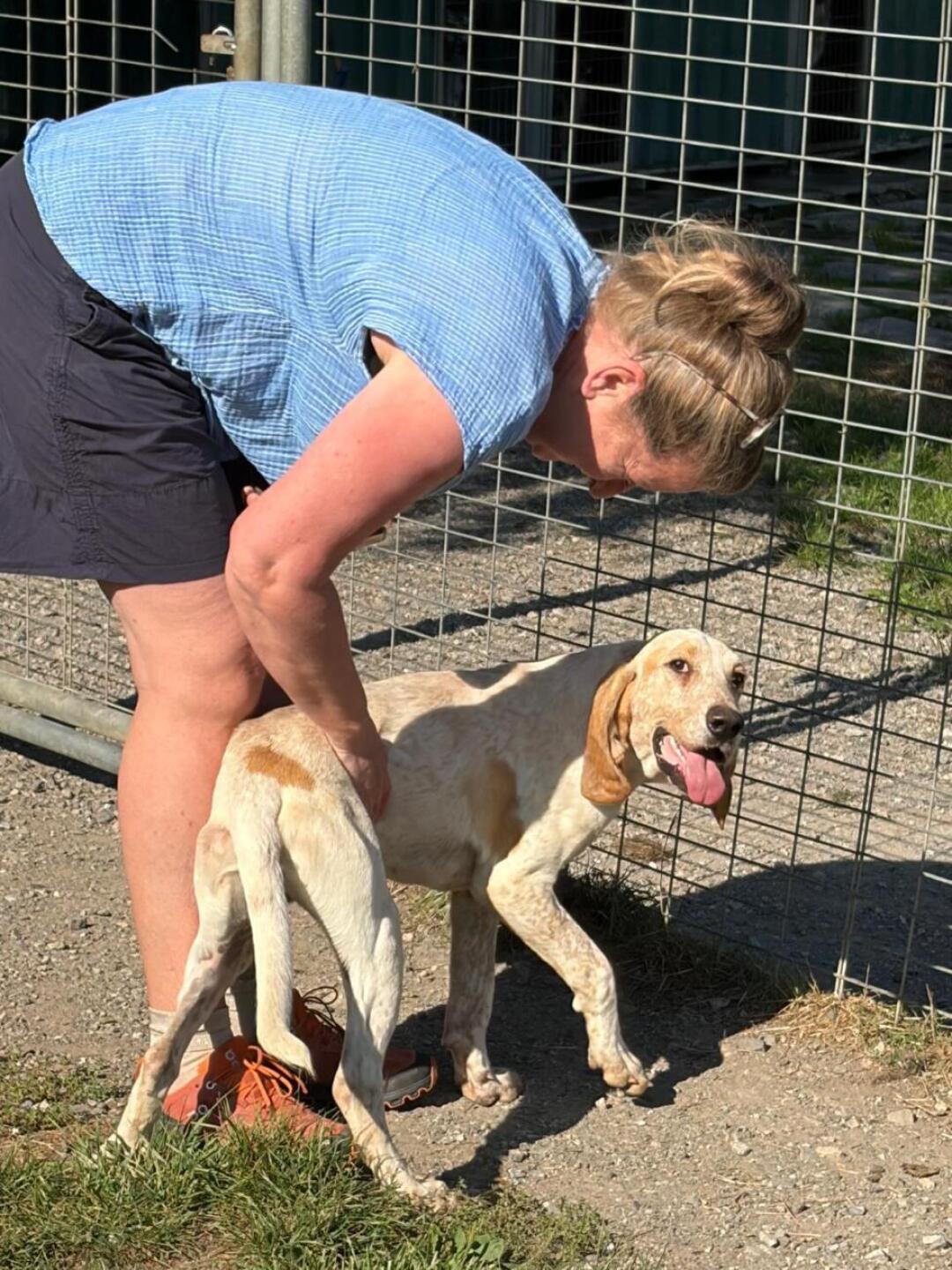
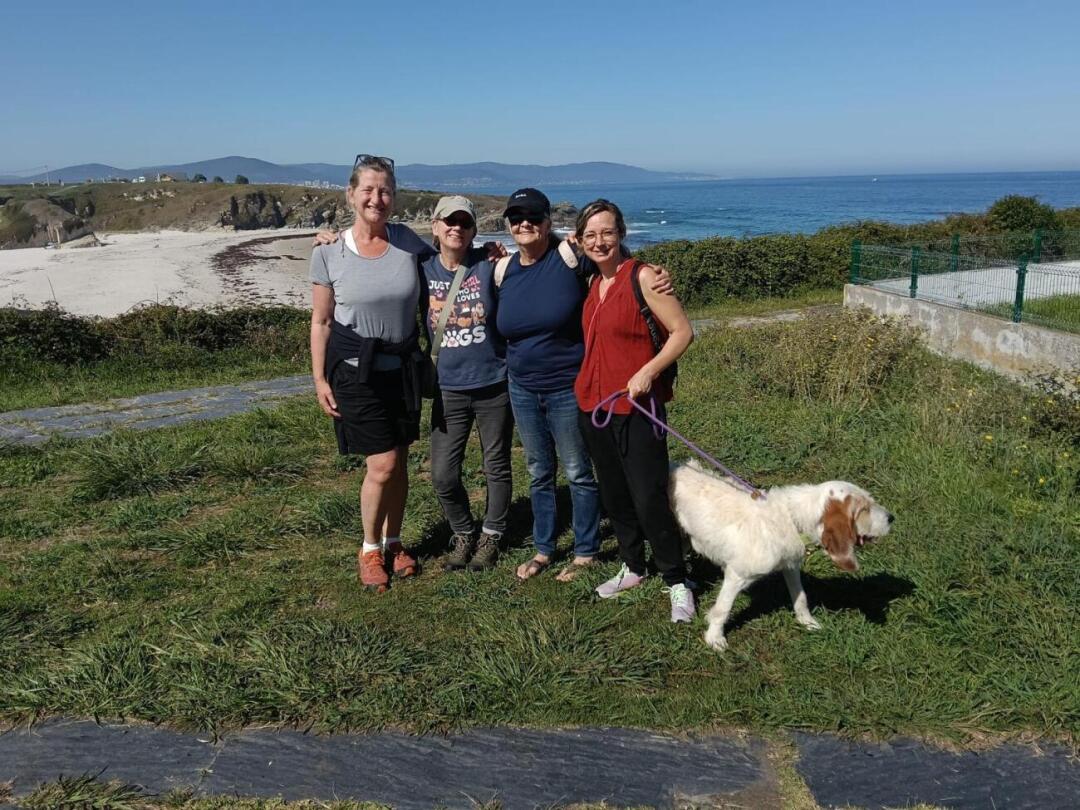
When the September issue of GstaadLife is printed and the newsroom goes slightly quieter, people occasionally ask what I do in the off-season. This year, the answer was simple: I went to Spain to rescue dogs.
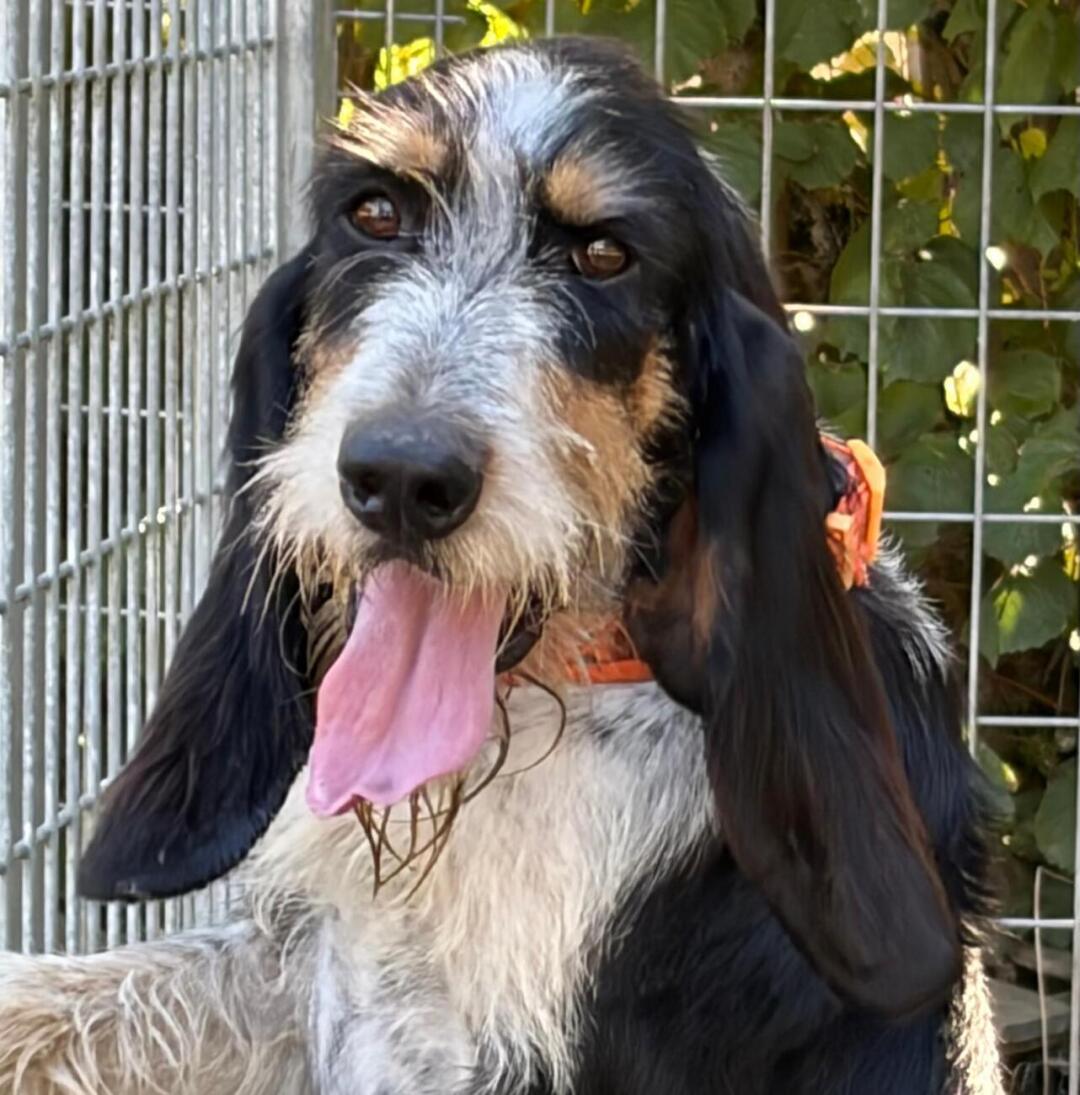
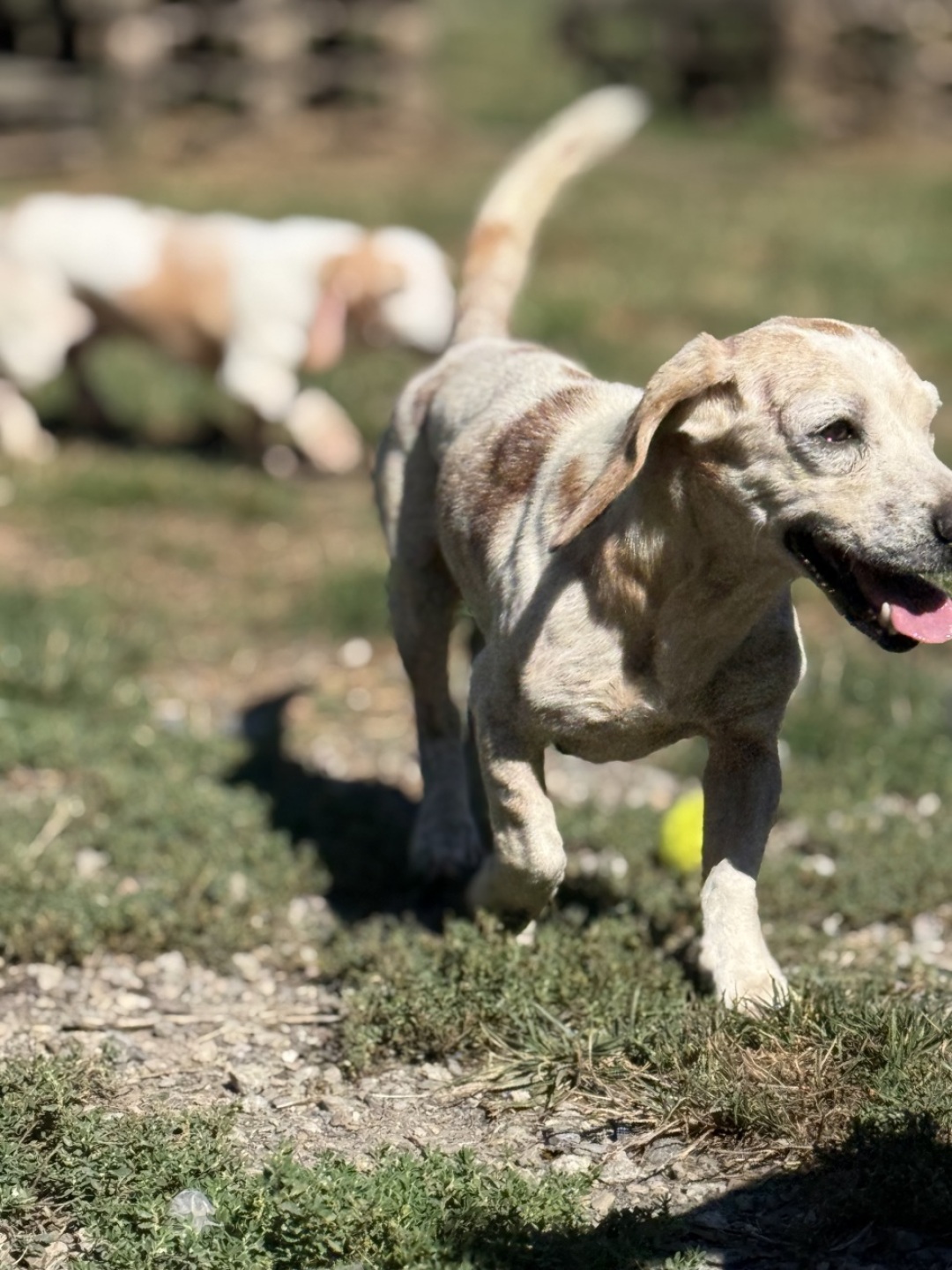
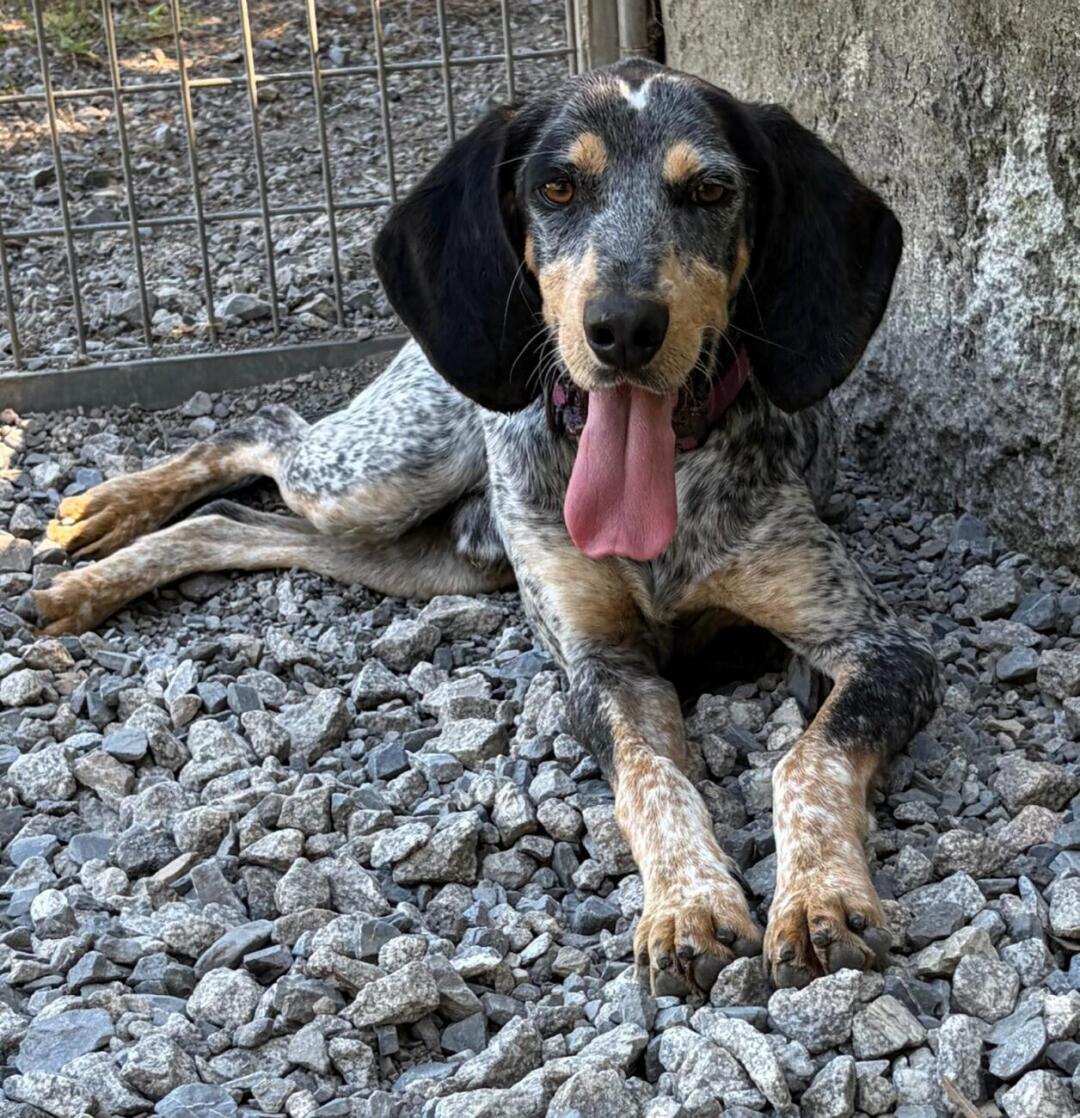
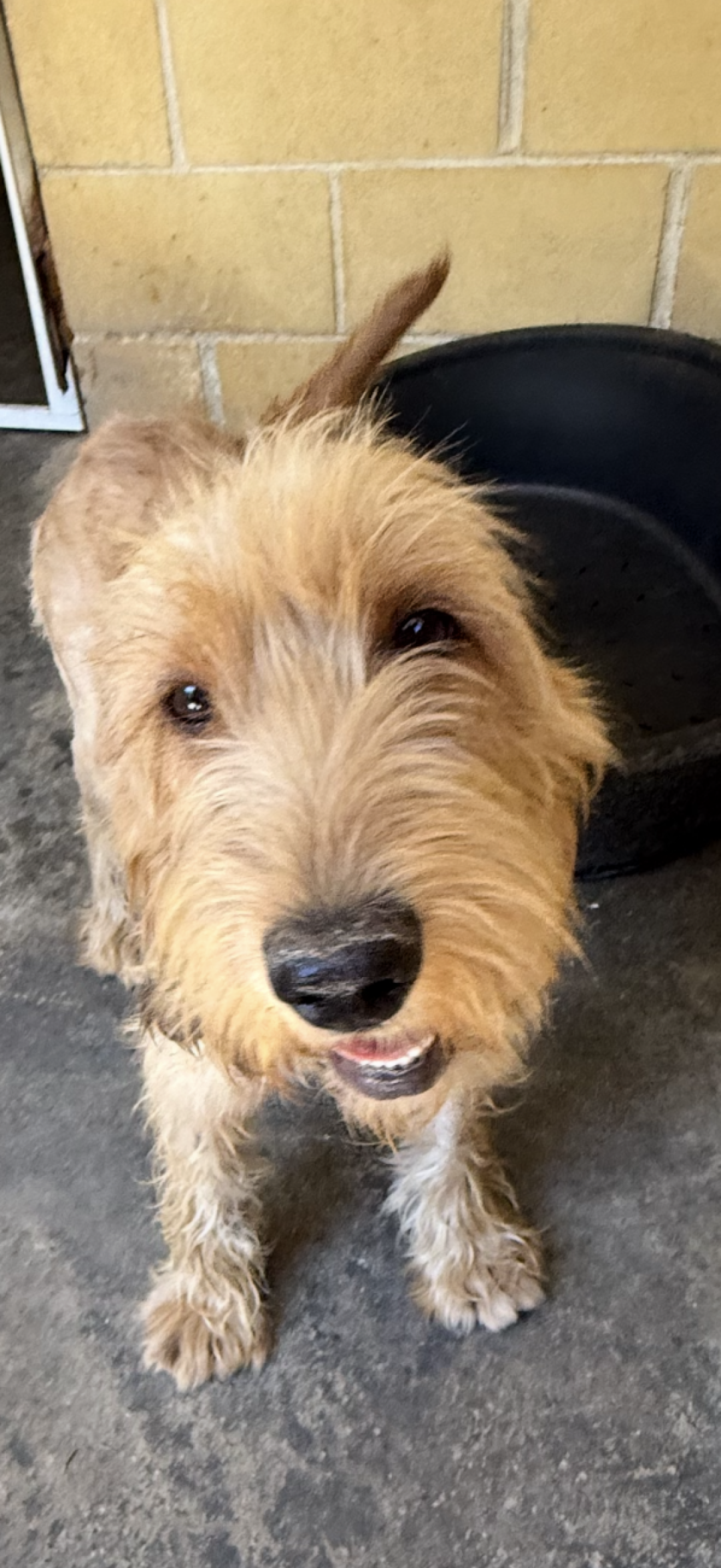
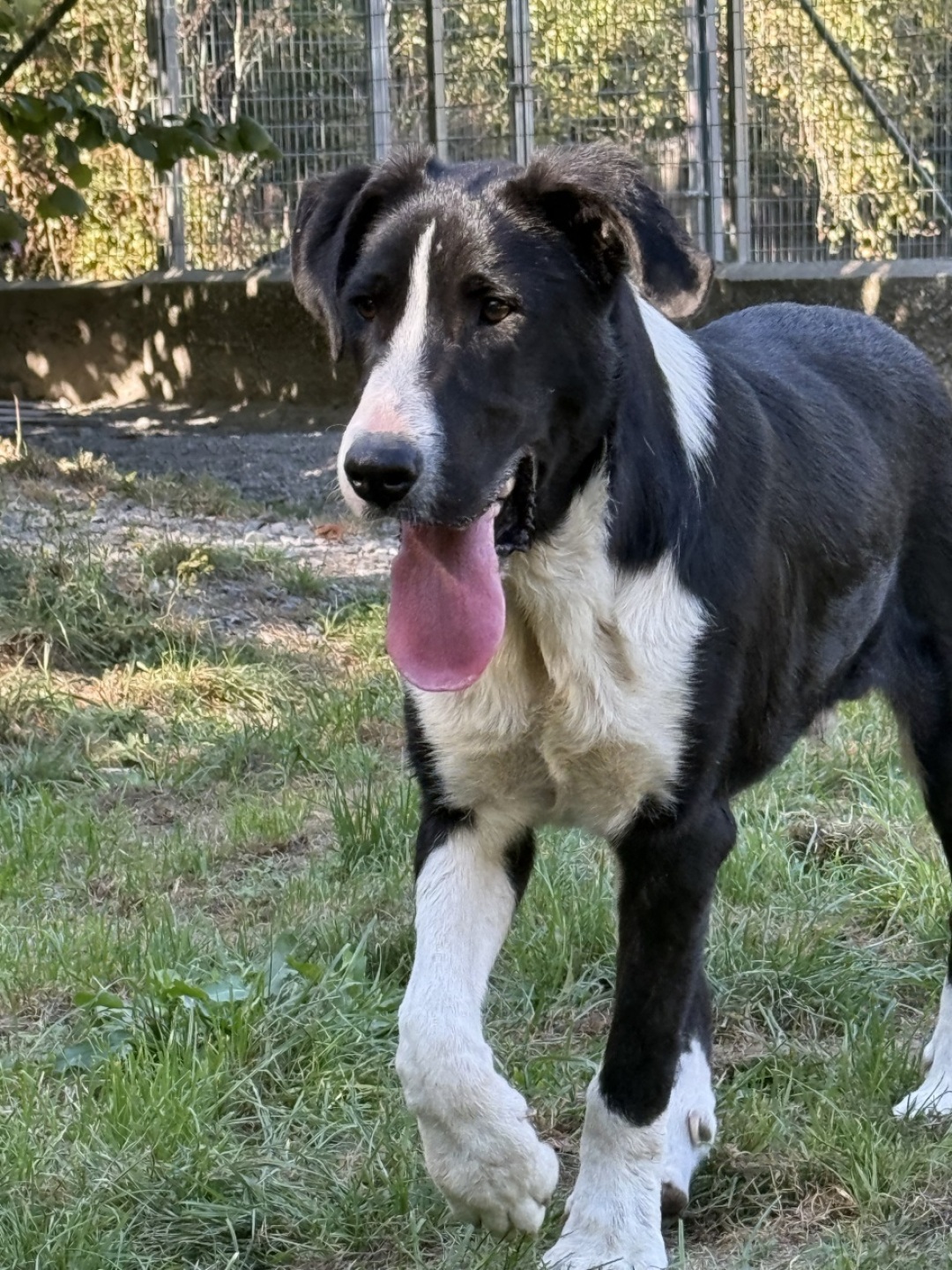
For a week, I swapped Gstaad for Galicia and joined the small volunteer team behind Hope for Hounds Rescue. It is an organisation I have been involved with for some time, working mainly with hunting breeds such as Griffons, Beagles and Podencos – dogs that are frequently abandoned, surrendered or simply no longer wanted once they are no longer useful.
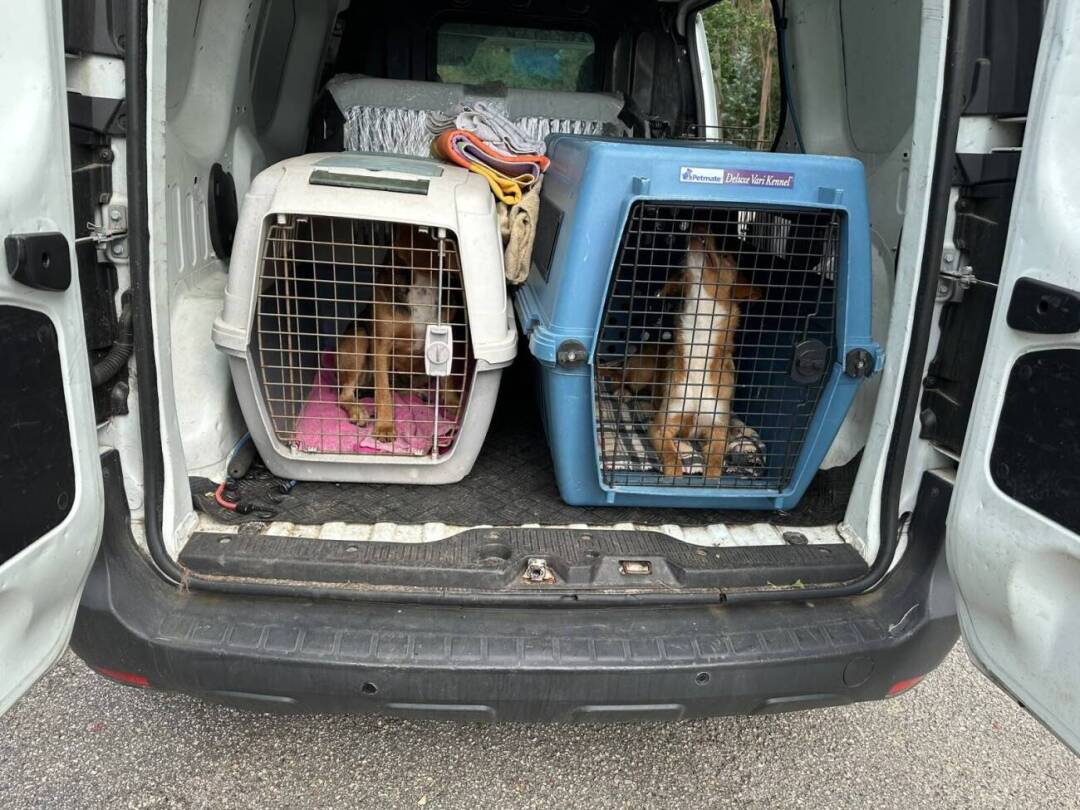
Rescue sounds straightforward when you reduce it to a single word. In reality, it is anything but. The days begin with dogs. Dogs to collect. Dogs to assess. Dogs who need veterinary care. Dogs who need foster homes. Dogs who have already been through more than most household pets ever will.
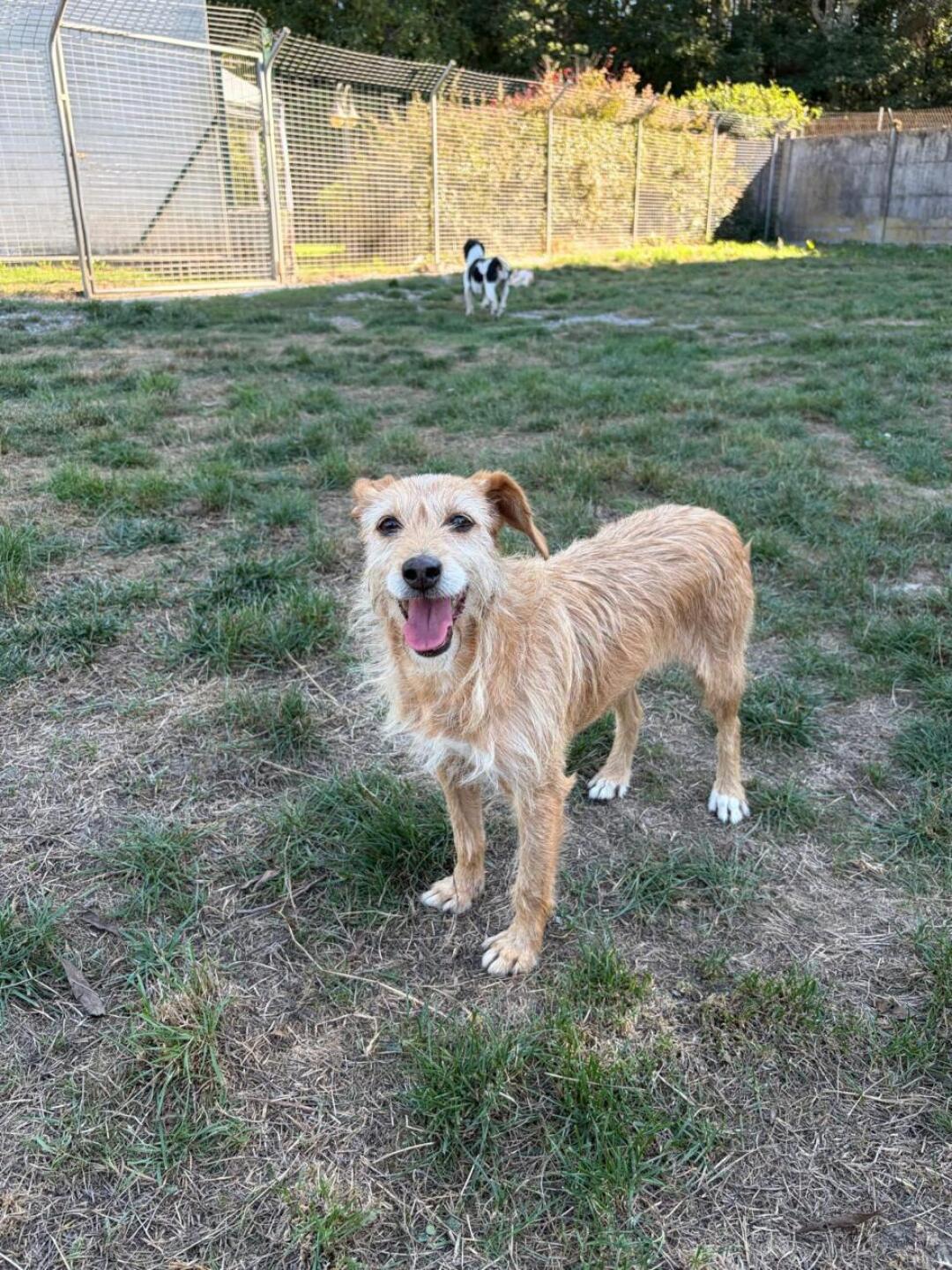
Some arrive frightened. Others arrive remarkably trusting, despite everything. Some are underweight, some have never lived in a home, and some have spent so long in kennels or on chains that even something as simple as walking through a doorway can feel unfamiliar. Much of the work is simply spending time with them.
You watch how they react to people, other dogs, noise, touch, and unfamiliar surroundings. You begin to understand which dogs need a quiet home, which need experienced owners, which are confident enough to adapt quickly, and which will need considerably more time. That part matters enormously.
Finding a home is not the same as finding the right home.
A dog may look perfect in a photograph, but rescue is not about choosing by appearance. It is about matching temperament, energy level, experience and expectations. A young hound with a strong hunting instinct is very different from an older dog who simply wants somewhere warm to sleep. Some dogs can live with children, while others cannot. Some need another dog, while others are happier alone.
And then there is everything that happens before any adoption can take place. Veterinary checks, vaccinations, passports, transport, foster placements, paperwork and home checks all form part of the process. Each step costs money and takes time, often from people who are doing all of this voluntarily alongside their normal jobs and lives.
Rescue camp reality
During our rescue camp, we visited dogs in very different circumstances. Some had been surrendered, while others had ended up in pounds. We met dogs whose future depended entirely on whether someone was willing to take responsibility for them. One of the hardest parts of rescue is knowing that you cannot save them all. There are always more dogs than spaces, more requests than foster homes, and more emergencies than money. It is a reality that does not become easier with experience.
Money, money, money
The economics of rescue have also become increasingly difficult. Transport costs have risen sharply in recent years; veterinary care is expensive, and small organisations frequently find themselves operating in systems where others are being paid to house or move the very animals the rescue is trying to help. None of this is particularly visible when you see the final photograph of a dog curled up on a sofa in its new home. That photograph is the end result.
Before it comes the muddy shoes, the kilometres driven, the difficult telephone calls, the endless messages, the paperwork, the uncertainty and the hours spent sitting quietly next to a dog that has no idea yet that its life may finally be changing. And that, perhaps, is the part I find most rewarding.
Not the dramatic moment of “saving” a dog, but the quieter process afterwards: watching trust appear, seeing personalities emerge and gradually understanding what each dog needs.
Correcting the stereotypes
Some dogs arrive at the rescue centre shut down. A few days later, they may be leaning against you for affection, demanding attention, or racing around with the others as though they had always belonged there.
It is also a useful corrective to the idea that rescue dogs are somehow damaged goods. Many of them are simply dogs who have been failed by people. They can be funny, affectionate, stubborn, clever, exhausting and deeply individual. In other words, dogs.
The work also makes successful adoptions particularly meaningful.
When a dog that once had nowhere to go eventually finds the right family, the entire chain becomes visible: the person who collected it, the foster home that gave it time, the vet who treated it, the volunteer who answered messages, the person who carried out the home check, and, finally, the adopter who decided to offer that dog a future. For a small rescue organisation, every one of those links matters.
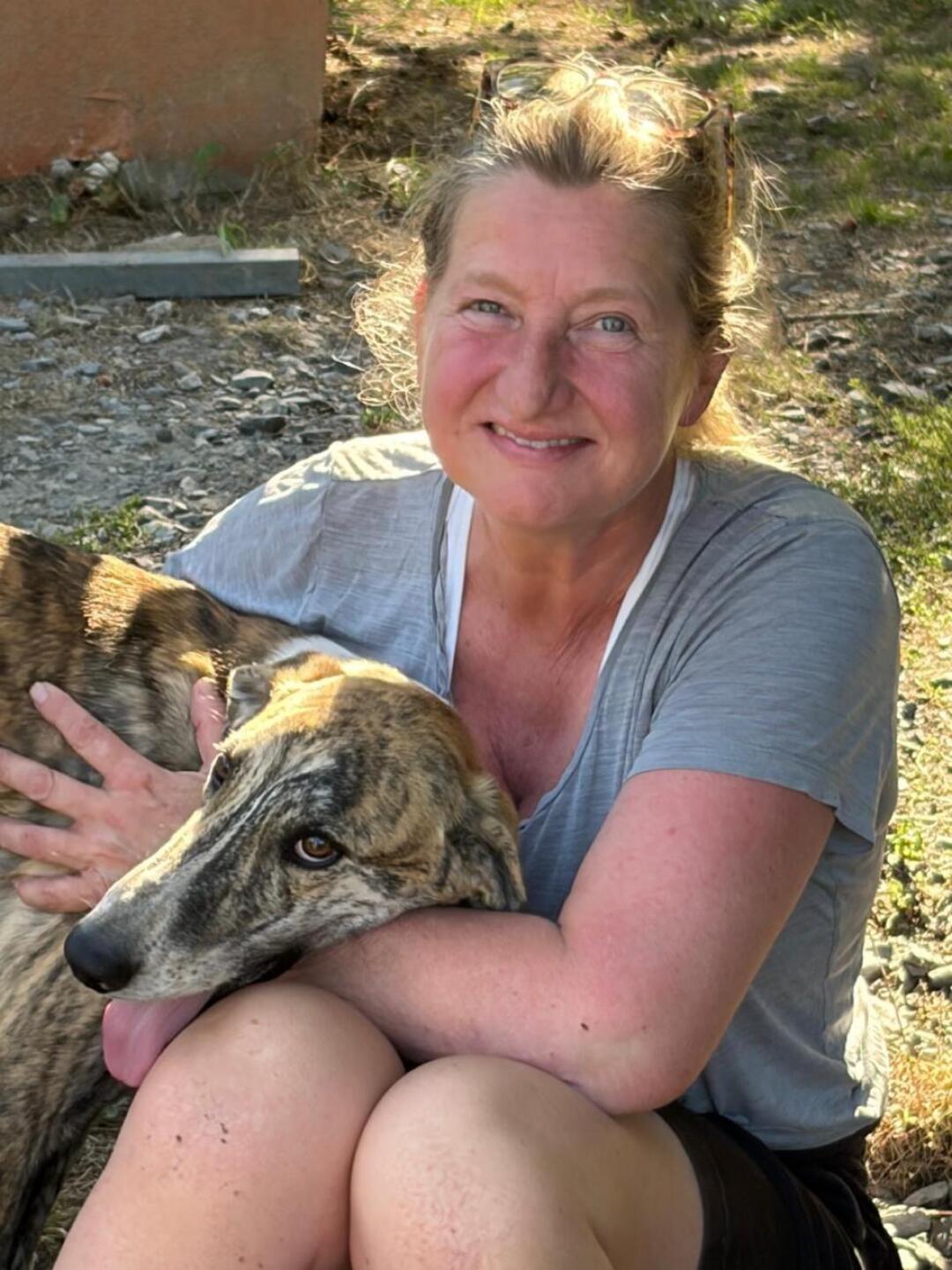
So, what does the editor do in the off-season? This autumn, at least, she spent a few days in northern Spain covered in dog hair, asking difficult questions, cuddling frightened hounds and trying to help a few of them get from where they were to where they needed to be.
Not exactly a holiday. But certainly, time well spent.
See you back in print on the 4th of December
Jeanette Wichmann
HOPE FOR HOUNDS RESCUE
Hope for Hounds Rescue (formerly called Casa de Griffon) is a small 100% volunteer-run organisation working primarily with abandoned and unwanted hunting dogs in northern Spain, particularly Griffons, Beagles and Podencos.
The team helps dogs from pounds, hunters and difficult private situations, providing veterinary care, foster placements and, ultimately, carefully matched homes. To date, more than 500 dogs have been helped.
Hope for Hounds Rescue currently rehomes dogs across Europe and the UK.
Find out more: hopeforhoundsrescue.com
Instagram: @casa_de_griffon