

ART TALK 1 – Omnipotence of Dreams
30.12.2025 Arts & Culture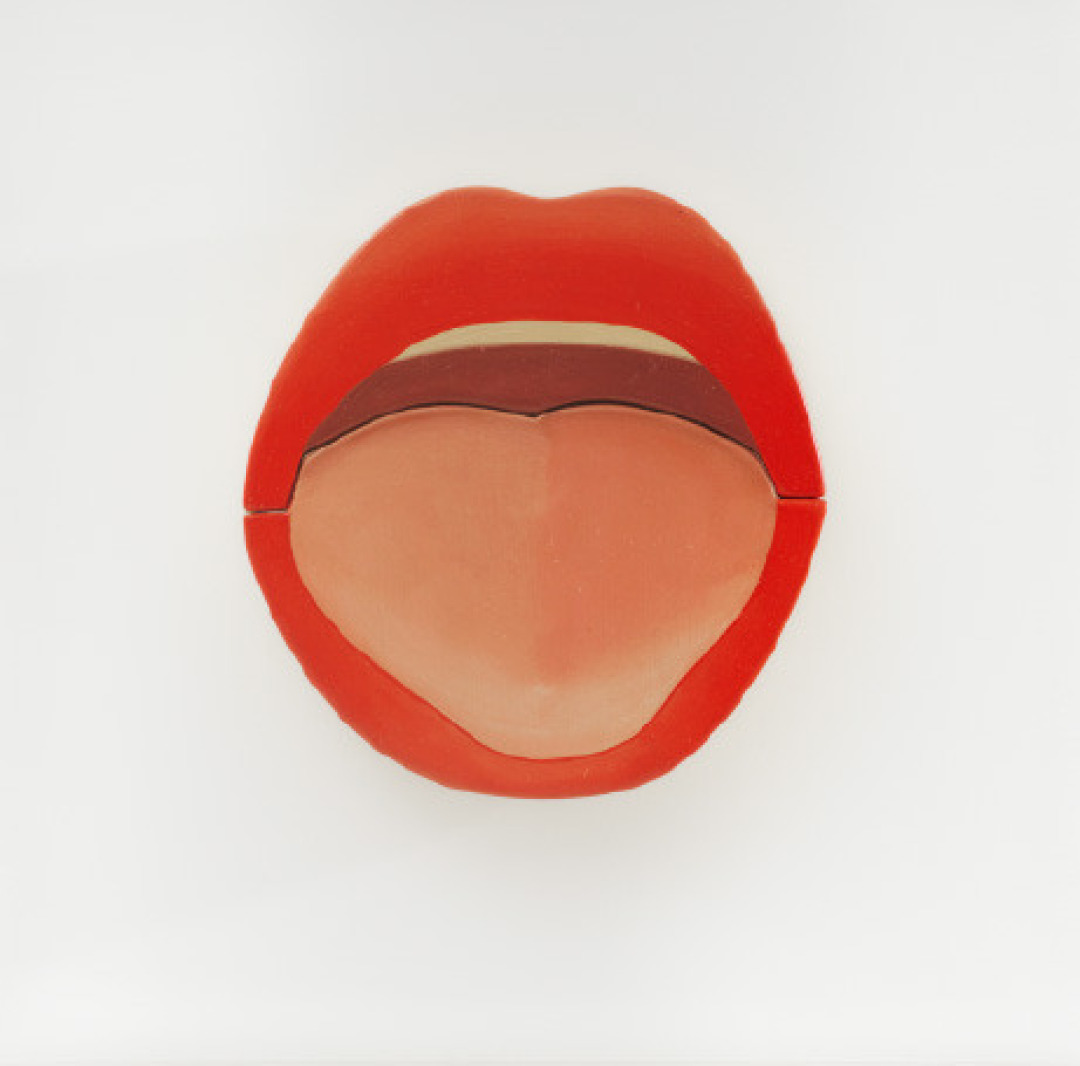
Dream logic at Gagosian
When Gagosian arrives in Gstaad with an exhibition titled The Omnipotence of Dreams, it is tempting to brace oneself for a heavy dose of Surrealist rhetoric. Instead, what unfolds is something more engaging and more quietly intelligent than the title might suggest.
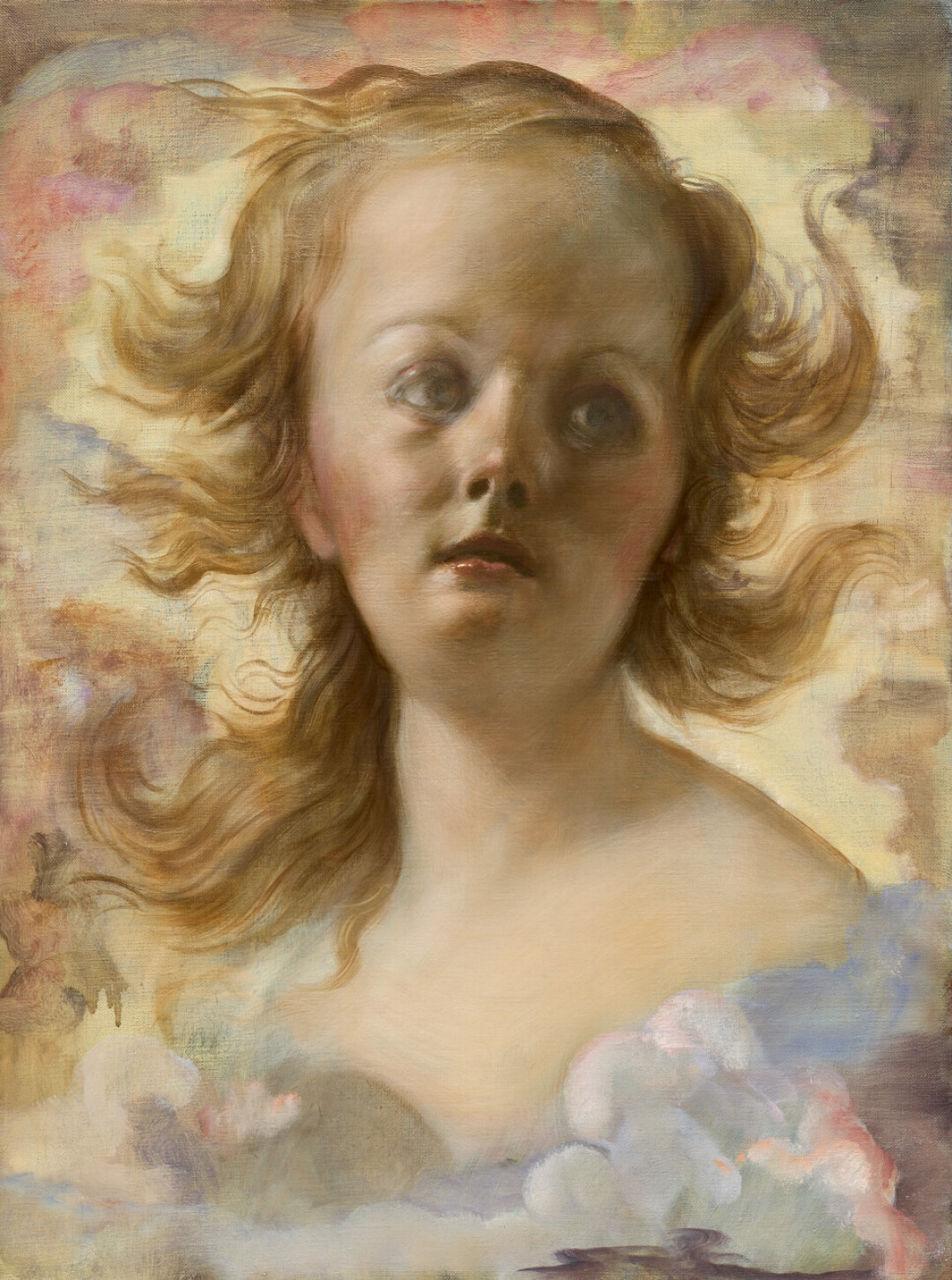
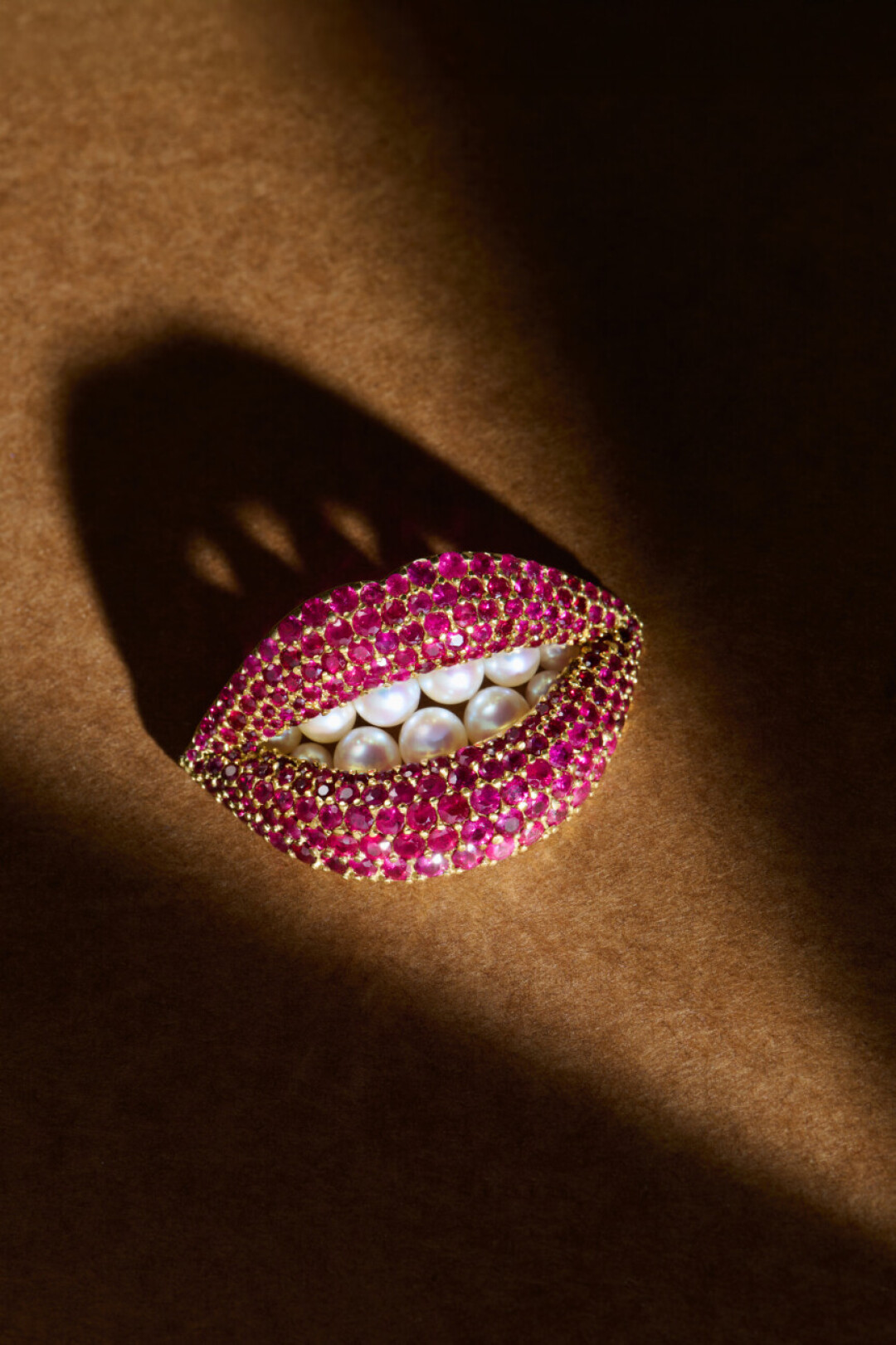
The exhibition brings together paintings, sculptures, and artist-designed jewellery, spanning Surrealist pioneers and contemporary artists. Rather than presenting jewellery as a decorative sideline, the show treats it as an extension of artistic thinking: portable, intimate, and often provocative. This crossover is not new, but here it is handled with clarity rather than nostalgia.
Surrealism, after all, was never just about melting clocks or dream imagery. It was about unsettling habits of seeing, and jewellery, worn on the body, proved an ideal medium for that disruption. Pieces by artists such as Salvador Dalí, Man Ray, Alexander Calder, and Claude Lalanne appear alongside works by Leonora Carrington and Max Ernst, forming a dialogue that feels surprisingly current.
That sense of continuity carries through to the contemporary works made specifically for the exhibition. A painting by Tom Wesselmann, focused on an exaggerated, open mouth, finds an unexpected counterpart in a Dalí-designed lip brooch, both referencing desire, artifice, and the theatricality of the body. Floral motifs recur across media: in jewellery by Lalanne, in Takashi Murakami’s unmistakable smiling flowers, and in paintings by Derrick Adams and Urs Fischer, where blossoms become both ornament and obstruction.
Particularly compelling is Ewa Juszkiewicz’s contribution, in which the face of a traditionally posed female sitter is replaced by swirling fabric and jewelled detail. It is a subtle but pointed gesture, one that quietly questions whose faces, historically, have been allowed to appear at all.
What makes The Omnipotence of Dreams work is not its ambition, but its restraint. The exhibition does not attempt to explain Surrealism anew, nor does it lean heavily on theory. Instead, it allows images and objects to speak across time and scale, from paintings to brooches, from gallery walls to the body itself.
In Gstaad, where context always matters, this feels like a thoughtful fit: an exhibition that rewards looking closely, without demanding reverence. Dreams, here, are not presented as an escape from reality, but as another way of engaging with it.
Gagosian | Promenade 79 | Gstaad | gagosian.com
Jeanette Wichmann