

KEEPING GSTAAD SAFE
05.12.2025 Profile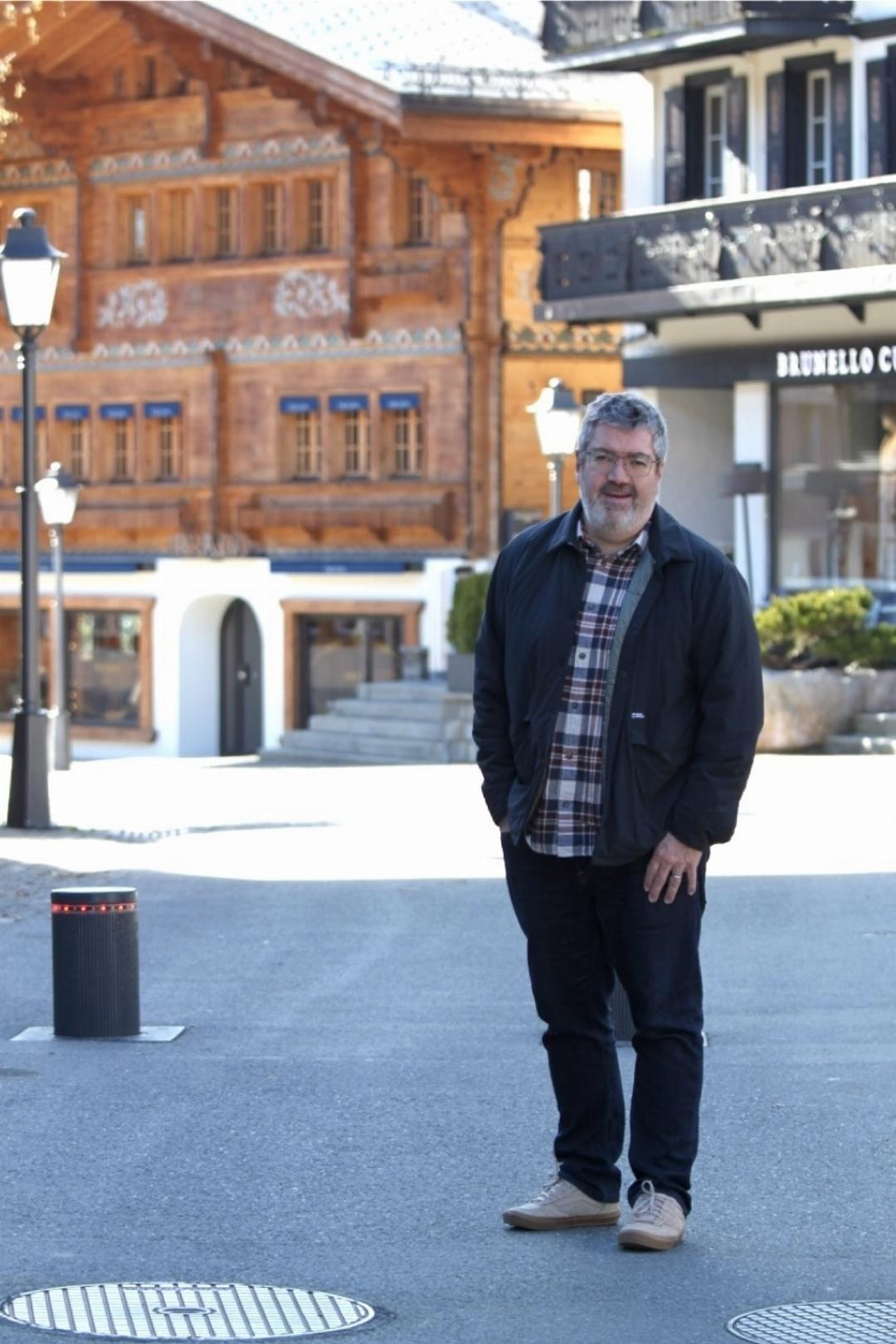
A conversation with David Schmid, Vice President of the Gemeinde Saanen
When a daylight robbery shook the Promenade in Gstaad this summer, the story spread faster than any official report ever could. Within hours, WhatsApp groups buzzed with speculation, assumptions, and theories – a reminder that in a hyper-connected world, perception can amplify faster than facts.
Vice President David Schmid, who also heads the Department of Security in Gemeinde Saanen, understands this dynamic better than most. Sitting over coffee at Earlybeck, he speaks calmly and without defensiveness. “I’m really happy we have this conversation,” he begins. “Private security companies live a bit from fear, from incidents, but the official side of safety must be heard too.”
Two realities of safety
Schmid doesn’t shy away from acknowledging the divide between how locals and visitors experience safety. “Probably over eighty percent of people who live here feel safe. They have no problem at all,” he explains. “When I talk to local construction workers, service providers, or farmers, they say, “What’s wrong? Are we not safe?”
It’s a different story for many second-home owners and guests, especially those who have read about or experienced crime firsthand. “When something like the watch theft happens, it feels shocking, and it is,” he says. “But statistically, Saanenland is one of the few regions in the canton of Bern where crime numbers have stayed the same or even gone down.” Schmid admits that feeling safe and being safe are not always the same thing. “Security is emotional, it’s not always rational,” he says. “We can show all the statistics we want, but one big case can change perception overnight.”
Limited resources, big responsibility
Saanen’s year-round population is about 7,000 – yet in high season, the region swells to between 30,000 and 35,000 people. “It’s an extreme situation,” Schmid says. “In summer or winter, the police have only limited options for cushioning seasonal fluctuations. They have to work with what they have.”
To fill the gap, the Gemeinde finances three additional police officers in addition to the cantonal allocation. “If we stopped paying, there would simply be three fewer officers,” he notes. In addition, private patrols operate nightly across Gstaad, Saanen, Schönried, and now this year in the Oberbort and Wispile as well. “They’ve been out for a year now,” he says. “Not one single incident has occurred in those areas, maybe because they’re patrolling.”
Cooperation over competition
Schmid believes collaboration – not competition – between private security, the police, and the municipality is key. “We’ve renewed our contracts with three security firms, but we also sit together with the police four times a year to review the situation,” he says. Recently, the Gemeinde established a roundtable including representatives from the tourism, hotel, and retail associations, private schools, and the police. “It’s a place where we share experiences and receive the relevant feedback on where investments may need to be made in the future. How to train staff, and what numbers to call,” Schmid explains. “This mainly involves communication and raising awareness, not just hardware – not just cameras and patrol cars.”
The camera debate
Calls for surveillance cameras in Gstaad and on the Promenade surface after every incident. Schmid is sympathetic but constrained. “Under cantonal law, you can only install cameras on public roads if there’s clear statistical evidence of repeated offences,” he says. “We’ve requested permission, especially for cameras at entry and exit points to the valley, but the law works against us.”
He laughs, a little exasperated: “When I tell people from London or São Paulo that, they look at me like I’m crazy. However, here, privacy law takes precedence. Today, you can install cameras on private property, but not pointing at public roads.”
Prepared, not paranoid
For Schmid, the key is to be prepared, not to panic. “Security in our region has three pillars,” he explains. “First, the canton / the police – they’re mainly responsible for our safety and for keeping peace and public order. Second, each individual – it’s your job to lock your car, to close your door. And third, the municipality – we do everything within our responsibility and more.”
He lists additional measures that the Gemeinde might consider: If necessary, police presence should be increased. Furthermore, structural measures may be planned, along with closer coordination with infrastructure projects and ongoing dialogue with private sector partners. “Every new project has to think about safety – not as an afterthought but as part of the design.”
Information is the real defence
Perhaps the most significant lesson, Schmid says, is the importance of effective communication. “Today, security is not only a hardware question – it’s a software question,” he says. “When rumours spread on Tik-Tok or WhatsApp, they can create fear where there is none.”
He recalls a recent false alarm at a local bank: “By the time I checked with the police, half the village thought we had a robbery. It was just the cleaning lady who set off the alarm.” His takeaway: “The Police and we must react quickly, inform accurately, and not make Gstaad sound less secure than it is. Transparency builds trust.”
Looking ahead
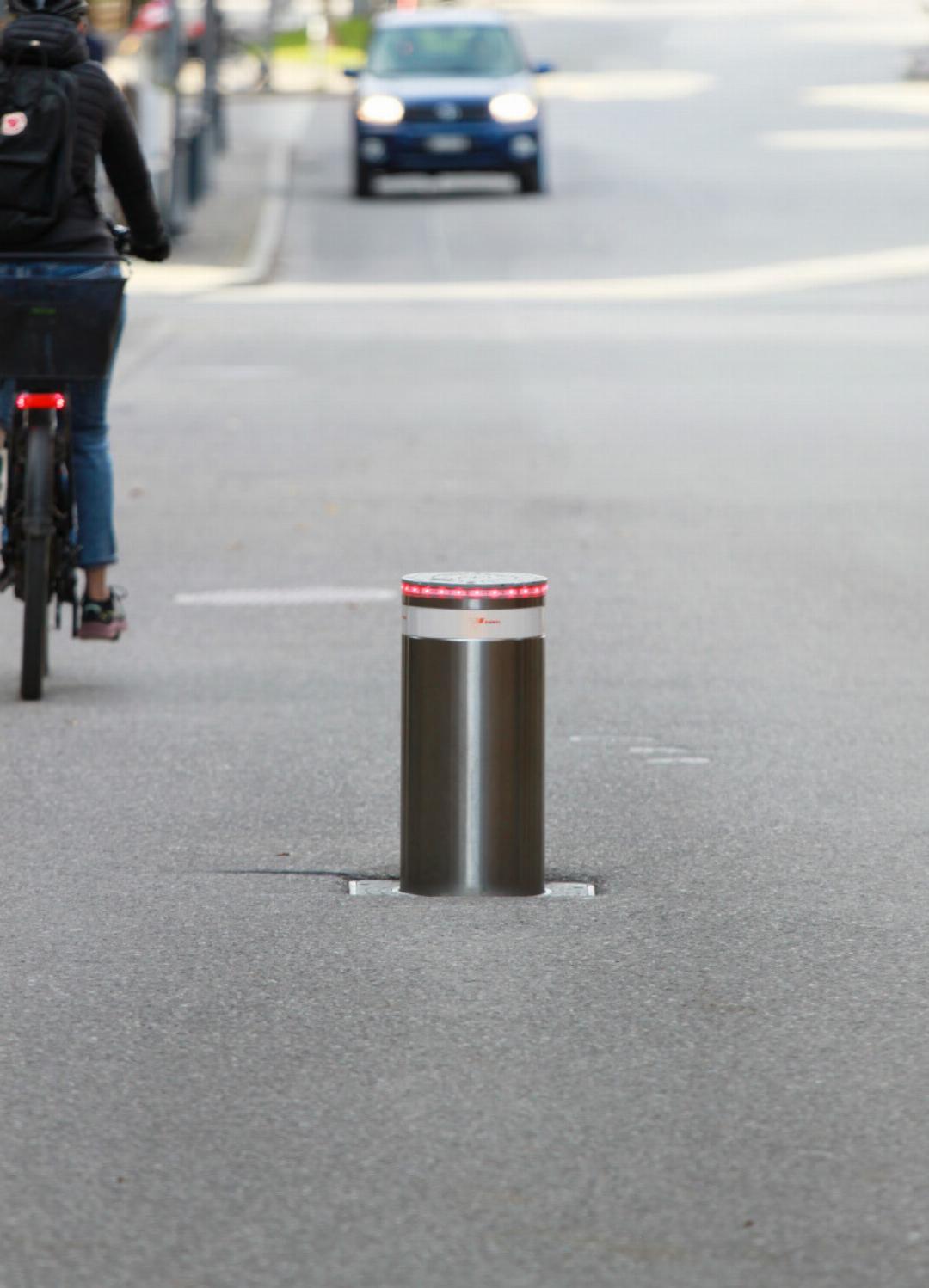
For all his composure, Schmid is realistic. “It’s not a question of if something happens again, but when,” he says. “But we can build obstacles, we can train, we can prepare. If someone decides tomorrow, they want to commit a crime in Gstaad, we can’t stop the thought – but we can make it difficult.”
At the end of our conversation, he sums up what safety in Gstaad really means: “We live in paradise. Our job is to make sure it stays that way – not through fear, but through awareness, partnership, and communication.”
JEANETTE WICHMANN
IN CASE OF EMERGENCY
• 117 – Emergency Police Dispatch (24 h) Central line connecting directly to the cantonal police coordination centre. Calls can be made in German or English; translation assistance is available.
• 118 – Fire Brigade Handled by the Saanen Fire Department, one of the highestlevel volunteer brigades in Switzerland.
• 144 – Medical Emergency / Ambulance For health emergencies, ambulances operate nightly in the Saanenland.
• 1414 – air rescue For health emergencies, helicopters operate nightly in the Saanenland
• 112 – European emergency National emergency service, accessible from anywhere in Europe
• Tip: If in doubt, call 117 first — they will route your call to the right service. • Never use local station numbers in urgent situations, as these may not forward automatically to the dispatch centre.