

Come up - and the luxury of slowing down
23.01.2026 Lifestyle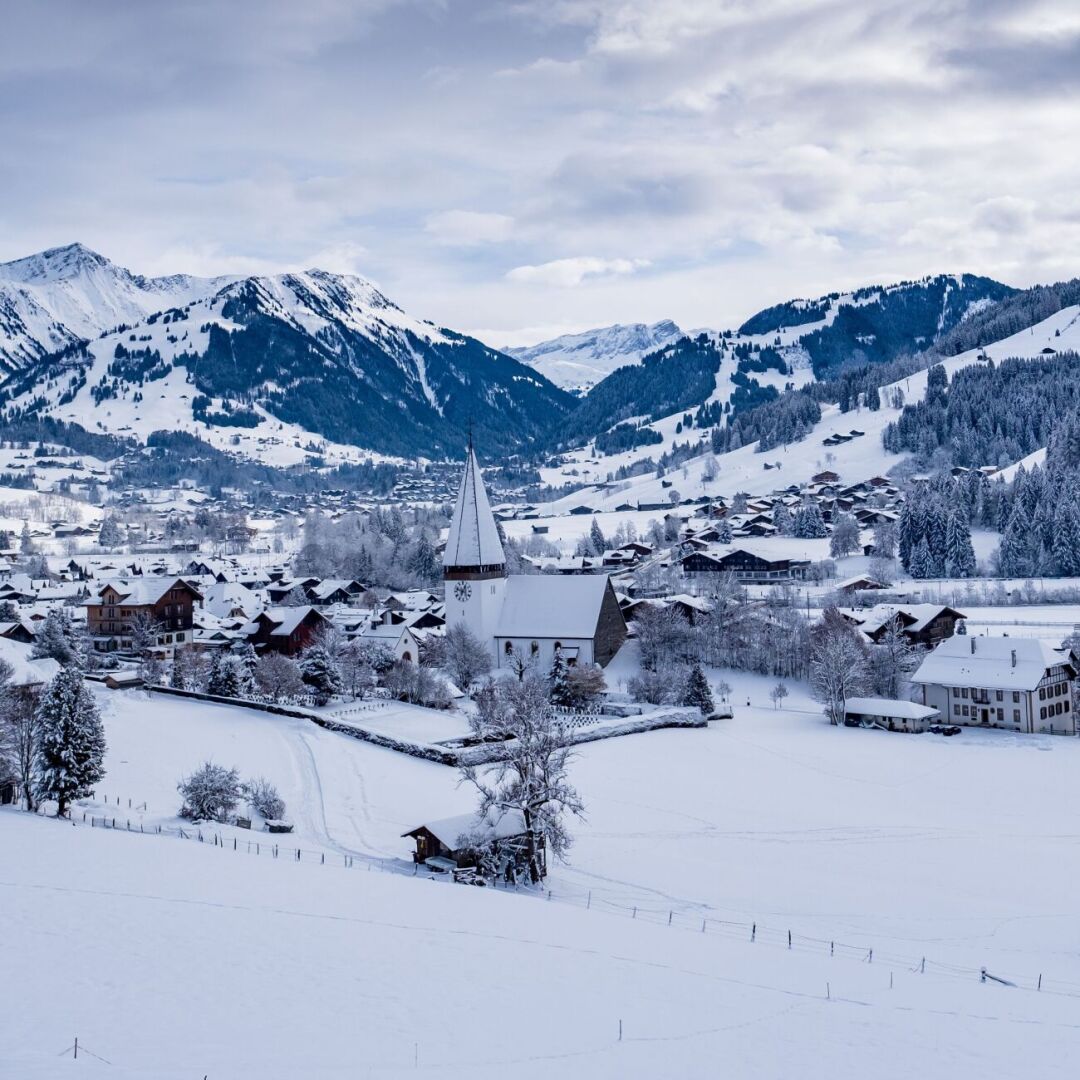
– A Longevity reflection from Gstaad & Saanen
The Luxury of Slowing Down
I spent ten days in Gstaad and Saanen over Christmas and New Year, a time when many alpine destinations strain under their own success. Roads are congested, villages overflow, and the promise of escape often dissolves into acceleration.
And yet, even on the few days when traffic between Gstaad and Saanen slowed noticeably, something remained strikingly intact: the place never felt overcrowded.
That distinction matters.
Because what Gstaad and Saanen offer, especially during peak seasons, is not the absence of activity, but the presence of balance. They live up to their promise, “Come up, slow down”, not as a slogan, but as a lived spatial and emotional reality.
In doing so, they align quietly yet precisely with one of the most significant shifts shaping travel and hospitality today: longevity.
From indulgence to life quality
The concept of travel is changing. It is moving away from rest and indulgence toward health optimisation and long-term life quality. Discerning travellers increasingly seek experiences that support vitality, resilience, and well-being over time, rather than short-term gratification.
This movement, often referred to as longevity tourism, blends hospitality, wellness, and science-backed health approaches. What is remarkable about Gstaad and Saanen is that they already embody these principles without needing to articulate them.
Longevity here is not a program.
It is environmental.
Longevity is not something you book; it is something a place either allows or prevents.
Longevity begins with space
I don’t experience destinations as places to consume, but as systems that either support or exhaust the body. Working closely with spatial design and guest experience has taught me that the body always responds before the mind does—to light, sound, rhythm, materials, and scale.
In Gstaad and Saanen, the environment consistently supports restoration.
Architecture respects human scale. Visual and acoustic noise are restrained. Even during the festive season, there is space, physical, mental, emotional.
One morning, walking through Saanen just after snowfall, I noticed how the snow absorbed sound entirely. No engines, no urgency, only footsteps and breath. In that silence, it became clear how rare it is for a place to ask so little of you.
Nature here is not an amenity; it is infrastructure. Mountains, snow, clean air, and light quietly regulate the nervous system. Sleep deepens. Perspective widens.
Science increasingly confirms what such places demonstrate intuitively: exposure to nature reduces stress, improves sleep, and supports long-term wellbeing. But beyond the data, something subtler is at work.
The most refined spaces are the ones that ask the least of you.
Hospitality is reframing quality
Across the hospitality sector, longevity is no longer a niche; it is influencing architecture, service design, guest programming, and brand positioning at every level.
We already know—and actively work with—architecture and interiors designed to reduce stress, improve sleep, regulate circadian rhythm, support movement, and slow biological ageing, often invisibly. Increasingly, the focus is on designing the entire guest journey, not isolated wellness moments.
Hotels are introducing biohacking and longevity spaces such as cryotherapy rooms and red-light beds, alongside holistic preventive offerings centered on movement, nutrition, sleep, and stress management. Digital health integration, from wearables to personalised programming, allows experiences to adapt to the individual. At the same time, eco-wellness and regenerative approaches link sustainability with guest health.
We are moving away from destinations that impress briefly toward places that support quietly. The future of travel is not stimulation, but regulation.
It is also no coincidence that one of the earliest pioneers of integrated wellbeing thinking, Six Senses, established in 1995, long before longevity became a global conversation, found a natural resonance in Gstaad. The values that define the destination today were already being explored well ahead of their time.
The future suite as a wellness sanctuary
This shift is perhaps most visible inside the hotel suite itself. What was once a place to sleep is becoming a private recovery environment.
Bathrooms are no longer purely functional; they are longevity spaces. Steam showers and contrast therapy (hot and cold), areas for movement, breathwork, or dry brushing, stone and thermal materials, soft indirect lighting, and hidden storage for beauty and recovery tools, facial devices & supplements. All are increasingly part of thoughtful design.
Even the minibar has evolved. “Well-being minibars” and beauty-centric in-room amenities replace excess with intention, offering healthy snacks, detox juices, and wellness tools that support recovery rather than stimulation.
Some leading hotel groups have taken this further. Equinox Hotels’ RoomBar offers an extensive selection of wellness and beauty items, from skincare serums to adaptogenic teas and supplements. At the Baccarat Hotel in New York, premium skincare products are placed directly in suites for guest use and purchase, seamlessly blending hospitality with personal care.
At The Ritz-Carlton, Los Angeles, the traditional minibar has been reimagined as a Beauty Fridge: a curated collection of high-end skincare products and wellness tools. Snacks and alcohol are replaced with cleansers, serums, moisturisers, under-eye masks, and cryotherapy globes. Guests can use LED light therapy masks and follow personalised routines, bringing spa-level treatments into the privacy of their suite. Pre-arrival consultations allow the experience to be tailored to individual needs.
These initiatives reflect a broader shift: the blurring of hospitality, wellness, and personal care; the elevation of the suite into a wellness sanctuary rather than just sleeping quarters; and personalisation at every touchpoint, aligned with discerning guest expectations.
Longevity is no longer a medical conversation.
It is a design conversation.
Gstaad as a (role) model, not a trend
What makes Gstaad and Saanen exceptional is that they have embodied this philosophy long before it became a global talking point. They offer vitality without excess, elegance without noise, and tradition that feels restorative rather than nostalgic.
Even during the busiest weeks of the year, the environment holds. The pace remains human. Nature continues to lead.
As longevity becomes a defining lens through which we evaluate travel, homes, and lifestyles, places like Gstaad feel increasingly relevant, not as escapes from reality, but as models for how we might want to live.
Camilla van den Tempel
ABOUT THE AUTHOR:
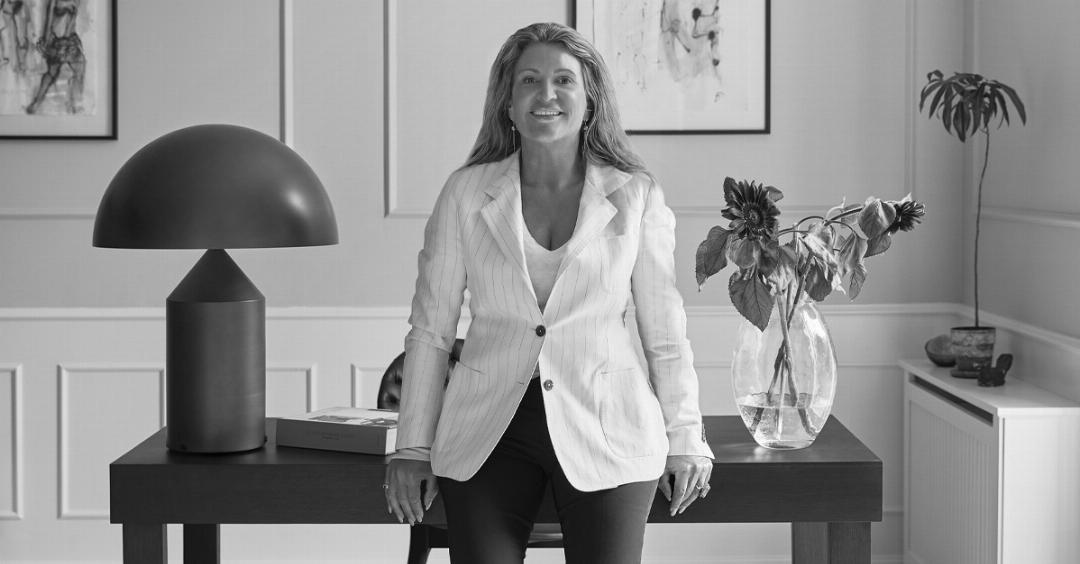
Camilla van den Tempel is a designer, strategist, and writer working at the intersection of spatial design, hospitality, and wellbeing. With a background spanning architecture-led consulting, guest experience, and brand development, her work explores how environments shape human behaviour, health, and longevity. Based between the Alps and international design contexts, she brings a systems-based perspective to places, viewing them not as products to consume, but as living frameworks that can either support or exhaust the body over time. She writes regularly on design, hospitality, and emerging shifts in how we live, travel, and recover.